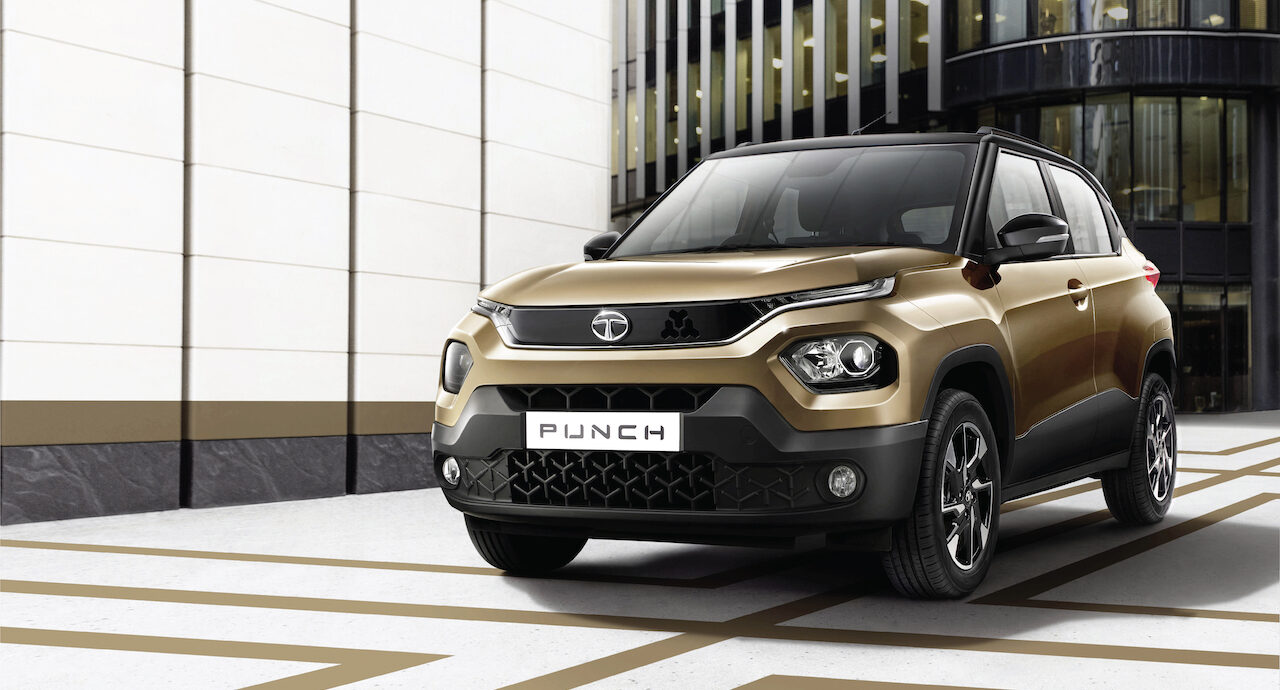
India's automotive market delivered a breakout quarter, with passenger car sales climbing 25.9 percent year-on-year in Q1. The surge marks record-breaking performance for both the fiscal Q1 period and the first half of calendar 2026, signaling robust consumer demand and economic momentum in the world's fifth-largest economy.
The 25.9 percent growth trajectory outpaces global automotive recovery rates and reflects India's expanding middle class, rising disposable incomes, and increased financing accessibility. Indian automakers and foreign manufacturers operating in the region benefited from this expansion. Major players like Maruti Suzuki, Hyundai India, and Mahindra Motor dominate the market, but the outsized growth suggests market share shifts and new entrants gaining traction.
India's automotive sector faces distinct dynamics. The country remains price-sensitive, with compact sedans and budget SUVs driving volume. However, the market increasingly embraces electrification and connected vehicles. This quarter's growth coincides with accelerating EV adoption and government incentives under initiatives like FAME (Faster Adoption and Manufacturing of Electric Vehicles).
The fiscal Q1 performance takes particular weight in India's reporting calendar. Indian companies operate on April-March fiscal years, making April-June the critical opening quarter for annual targets. Record Q1 numbers suggest manufacturers will hit their full-year projections, encouraging fresh investments in capacity and product development.
Geopolitical factors and supply chain stability matter here. India's automotive supply ecosystem recovered fully post-pandemic, and semiconductor availability normalized. Raw material costs stabilized compared to 2021-2023 volatility.
This growth contrasts sharply with stalling markets elsewhere. While Europe and North America grapple with economic uncertainty and EV transition costs, India's internal combustion engine market remains voracious. Yet the nation's regulatory trajectory