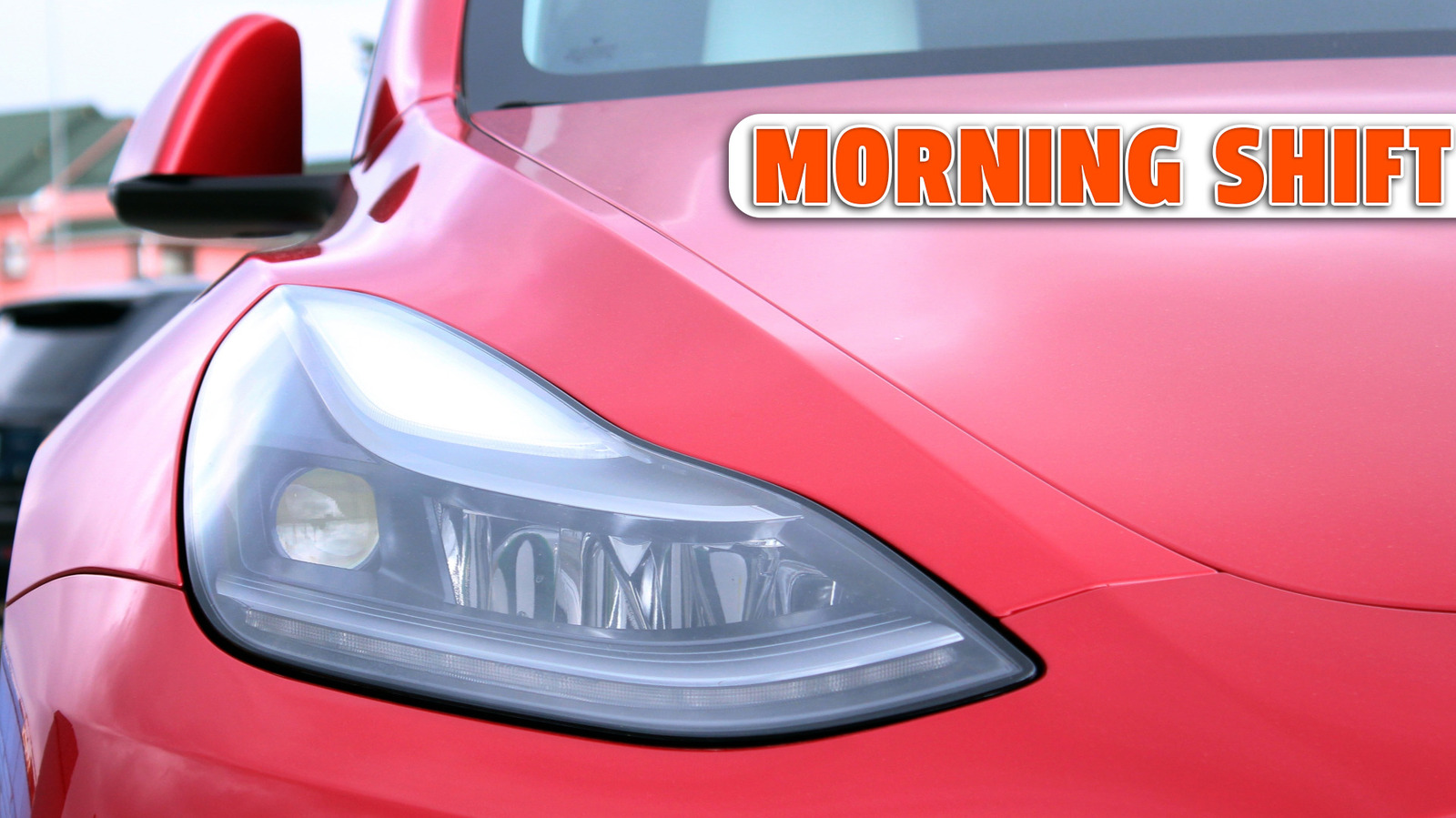
Tesla faces a mandatory recall for excessive headlight brightness on certain vehicles. The issue affects models that produce light output exceeding federal safety limits, creating glare hazards for oncoming drivers.
The National Highway Traffic Safety Administration identified the problem after receiving multiple complaints from drivers reporting that Tesla headlights were too intense and caused visibility problems for other motorists. Tesla had previously attempted to address related issues through over-the-air software updates, but regulators determined that physical hardware modifications were necessary to comply with Federal Motor Vehicle Safety Standards.
This recall stands out because it represents a limitation of Tesla's vaunted software-update capability. The company has built its reputation on fixing problems remotely, from performance tuning to safety features. Overly bright headlights cannot be corrected through code alone. Dealerships or authorized service centers must physically service the affected vehicles.
The recall highlights ongoing tensions between traditional automotive safety regulations and modern vehicle technology. While software updates offer convenience and speed, they cannot replace hardware remedies when mechanical or optical components fail to meet specifications. NHTSA takes headlight output seriously because excessive brightness creates genuine safety hazards, blinding other drivers and increasing accident risk.
Tesla has not disclosed the exact number of vehicles affected or the specific models involved, though the company stated it would cooperate fully with the recall process. The automaker faces increased regulatory scrutiny as it scales production globally and operates in markets with varying headlight standards.
This situation underscores a fundamental reality in automotive engineering. Some problems demand old-school solutions. For Tesla, which has leaned heavily on software as a competitive advantage and cost-reduction tool, the recall serves as a reminder that even the most technologically advanced carmakers cannot eliminate the need for physical service and traditional safety compliance measures.