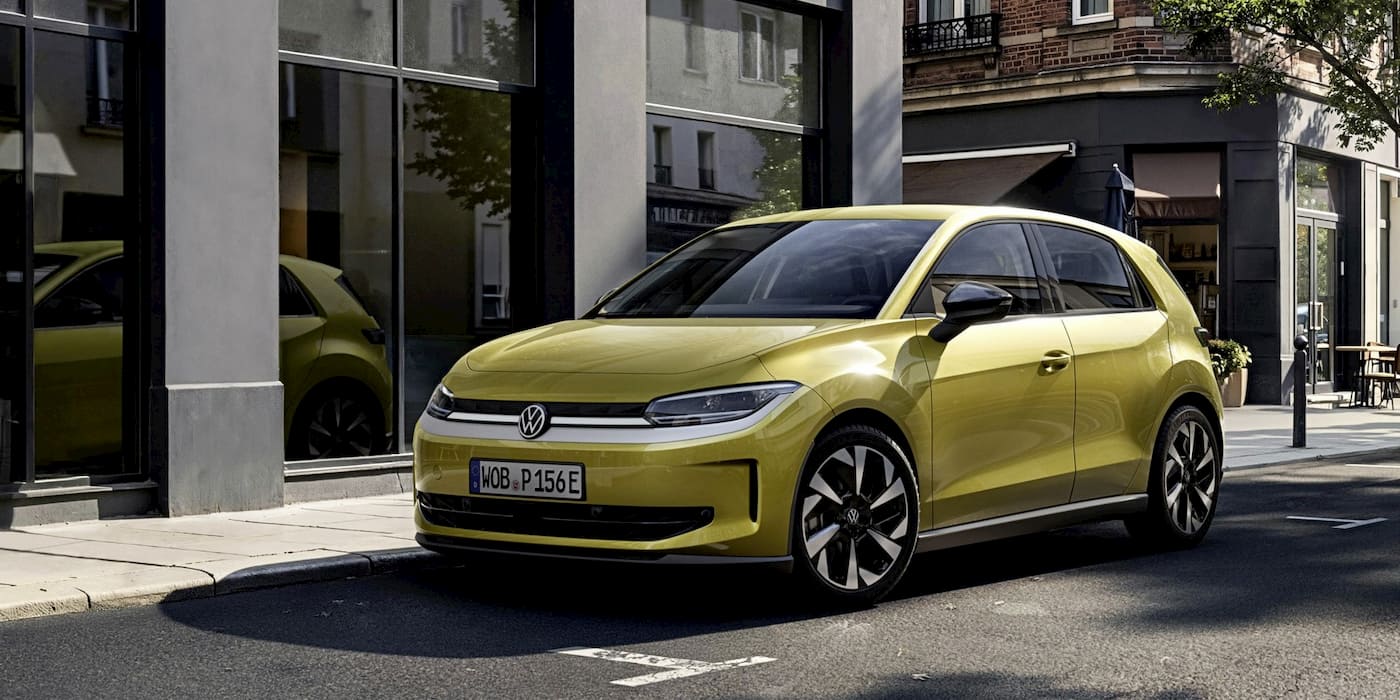
Volkswagen's ID. Polo EV has captured market attention with 25,000 orders in just weeks, validating the automaker's strategy for affordable electric vehicles in the mass market. Now Volkswagen is pushing deeper into price-sensitive territory by introducing a smaller-battery variant starting under $30,000.
The new entry-level ID. Polo comes with a 37 kWh battery pack, down from the original 52 kWh option that anchored the model's initial launch. This move puts the ID. Polo directly in competition with affordable gas cars in key markets, particularly Europe where sub-$30,000 EVs remain rare outside of basic city cars.
The sales trajectory matters. Twenty-five thousand orders for a compact EV in weeks demonstrates genuine demand for affordable electrification, not just early-adopter interest. Volkswagen built the ID. Polo on its MEB platform specifically to deliver scale and cost efficiency. The strategy works.
Pricing below $30,000 fundamentally changes the EV conversation for mainstream buyers. At this price point, the ID. Polo competes with entry-level petrol hatchbacks like the Hyundai i10 and Renault Clio. Range matters less when a battery fits typical daily commutes under 200 miles. The 37 kWh battery likely delivers around 250 kilometers (155 miles) of range depending on conditions.
Volkswagen faces execution risk. Scaling production to meet demand while maintaining margins on low-priced vehicles tests manufacturing efficiency. The company needs the ID. Polo to work financially at this price to sustain the product line beyond initial sales bursts.
The broader signal resonates across the industry. Tesla has struggled to crack the $25,000 segment. Traditional automakers like Hyundai and Volkswagen are proving