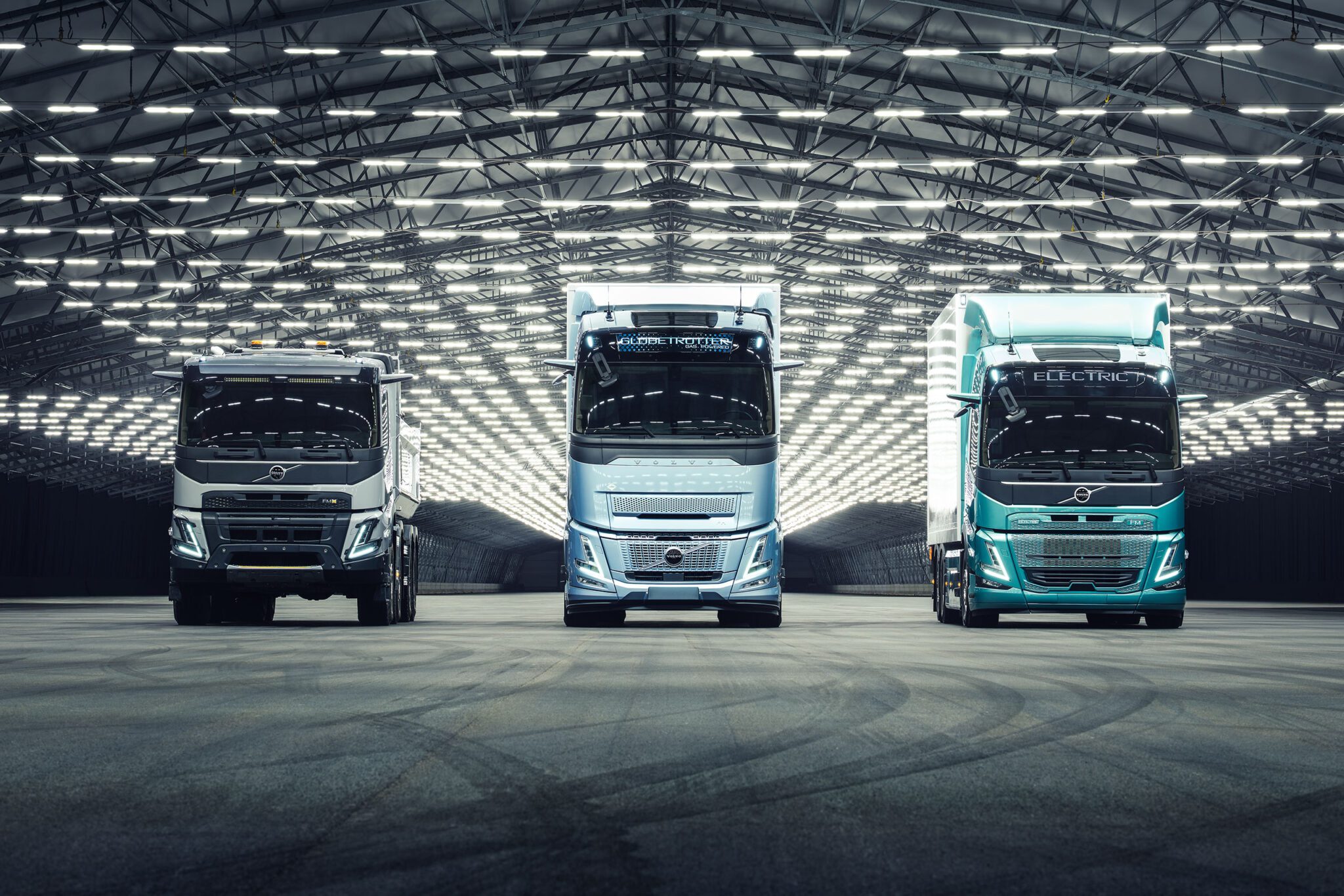
Volvo's commercial vehicle division posted stronger Q2 profits as truck orders exploded 33 percent globally, with North American demand more than doubling. The Swedish manufacturer's expanding order book signals robust demand across its heavy-duty lineup, though converting backlog into actual deliveries remains the critical next phase.
The surge reflects pickup in freight activity and fleet renewal cycles after pandemic-driven supply constraints eased. North America's particularly strong showing matters because the region dominates Volvo's profitability, where it competes against Paccar, Daimler Trucks, and Navistar. A doubled order book there suggests customers are placing bets on economic resilience and willing to lock in capacity.
Volvo's Q2 earnings bump comes as the trucking sector bounces back from multi-year headwinds. Order velocity picked up across Europe and Asia as well, though the North American market remains the prize. Major carriers and small operators alike ordered trucks at higher rates, indicating confidence in freight demand persisting through the second half of 2024.
The order-to-sales conversion challenge is real. Supply chain tightness in components, particularly engine and electrical systems, still constrains production throughput at Volvo's facilities. Competitors face identical pressures. Getting those orders into factories and onto roads will test manufacturing capacity and supplier logistics through the remainder of the year.
Volvo also operates in the medium-duty segment and specialty vocational markets where orders shifted too. The company's profitability gains suggest it's pricing power held even as demand accelerated, a healthy sign for margin management in an inflationary environment.
The trajectory matters for Volvo's board and investors watching cash generation. Heavy truck orders are lumpy and cyclical, but this 33 percent jump signals genuine demand, not artificial pulls. If execution holds and supply chains cooperate, Q3 and