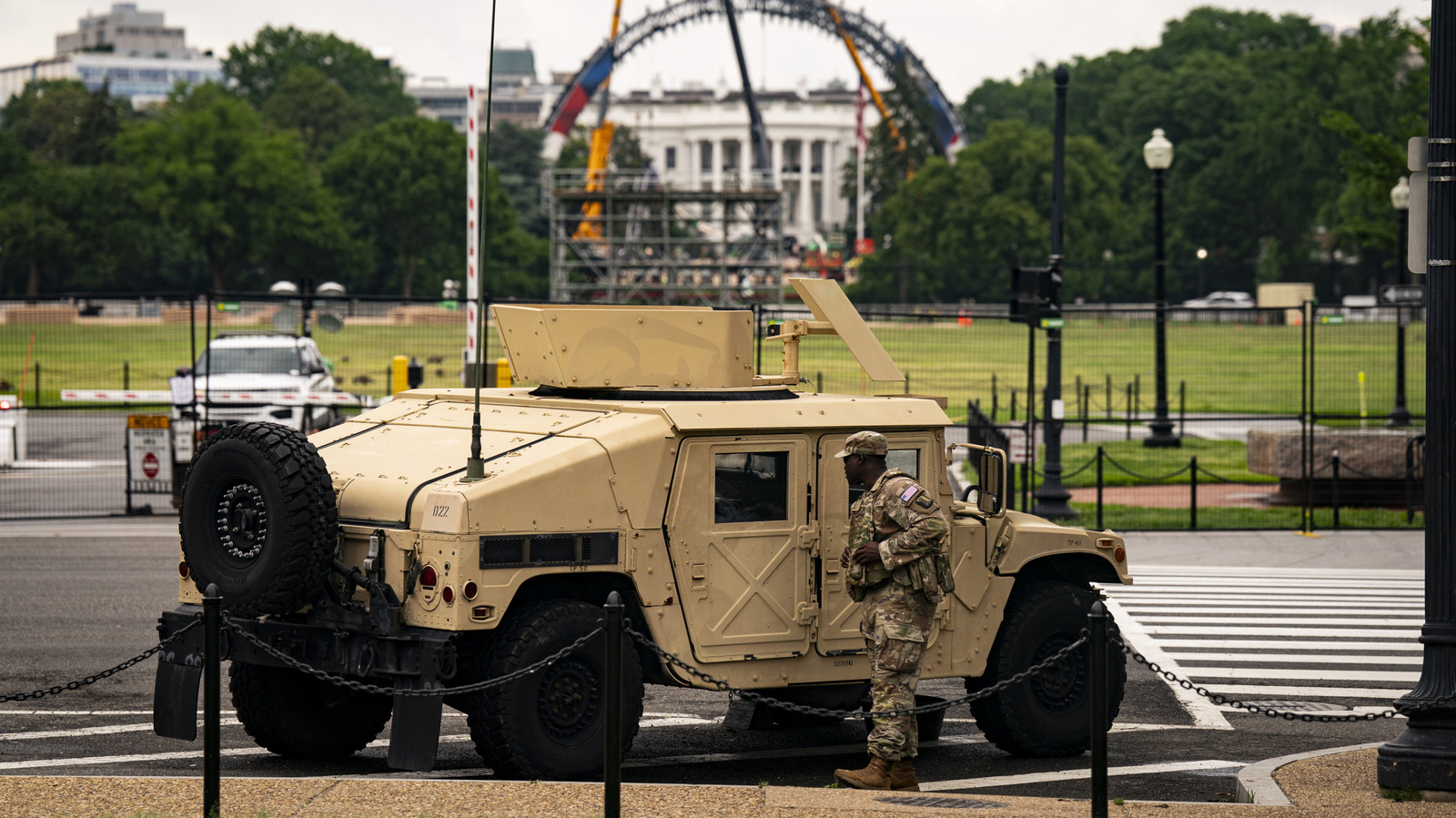
The U.S. Army faces a genuine modernization challenge after Defense Secretary Pete Hegseth ordered the phaseout of the Humvee, a vehicle that has served since 1983. The HMMWV, despite its iconic status, struggles with modern operational demands. It lacks the payload capacity, fuel efficiency, and protection standards required by contemporary military doctrine.
The Joint Light Tactical Vehicle, or JLTV, made by Oshkosh Defense, already serves as the Humvee's intended replacement for light-duty roles. However, the JLTV cannot fully absorb all Humvee missions across the Army's sprawling fleet. The service operates roughly 140,000 Humvees in various configurations, from logistics support to weapons platforms. Replacing this scale of inventory demands multiple vehicle solutions.
General Motors and Ford both manufacture commercial trucks that could fill gaps. The Ford F-150 pickup and GM's Chevrolet Silverado offer modularity, available all-wheel drive, and cargo flexibility that Humvees lack. Some experts propose building military-spec variants on commercial platforms. The Army has explored this approach before, most notably with the Chevrolet Colorado and GMC Canyon variants used in limited capacities.
The International MaxxPro platform, another Oshkosh vehicle, handles heavier tactical transport. That leaves mid-tier roles where commercial trucks could excel. The Humvee's true weakness centers on aging powerplants and minimal armor integration in baseline models. A modern replacement framework likely requires three categories: light utility (JLTV), heavy tactical transport (MaxxPro), and general-purpose logistics vehicles built on commercial truck frames.
Hegseth's directive accelerates a transition that logistics experts acknowledge as overdue. The Humvee, while rugged, consumes fuel inefficiently and demands