# Construction Zone Signs Use Orange for Safety Visibility, Not Tradition
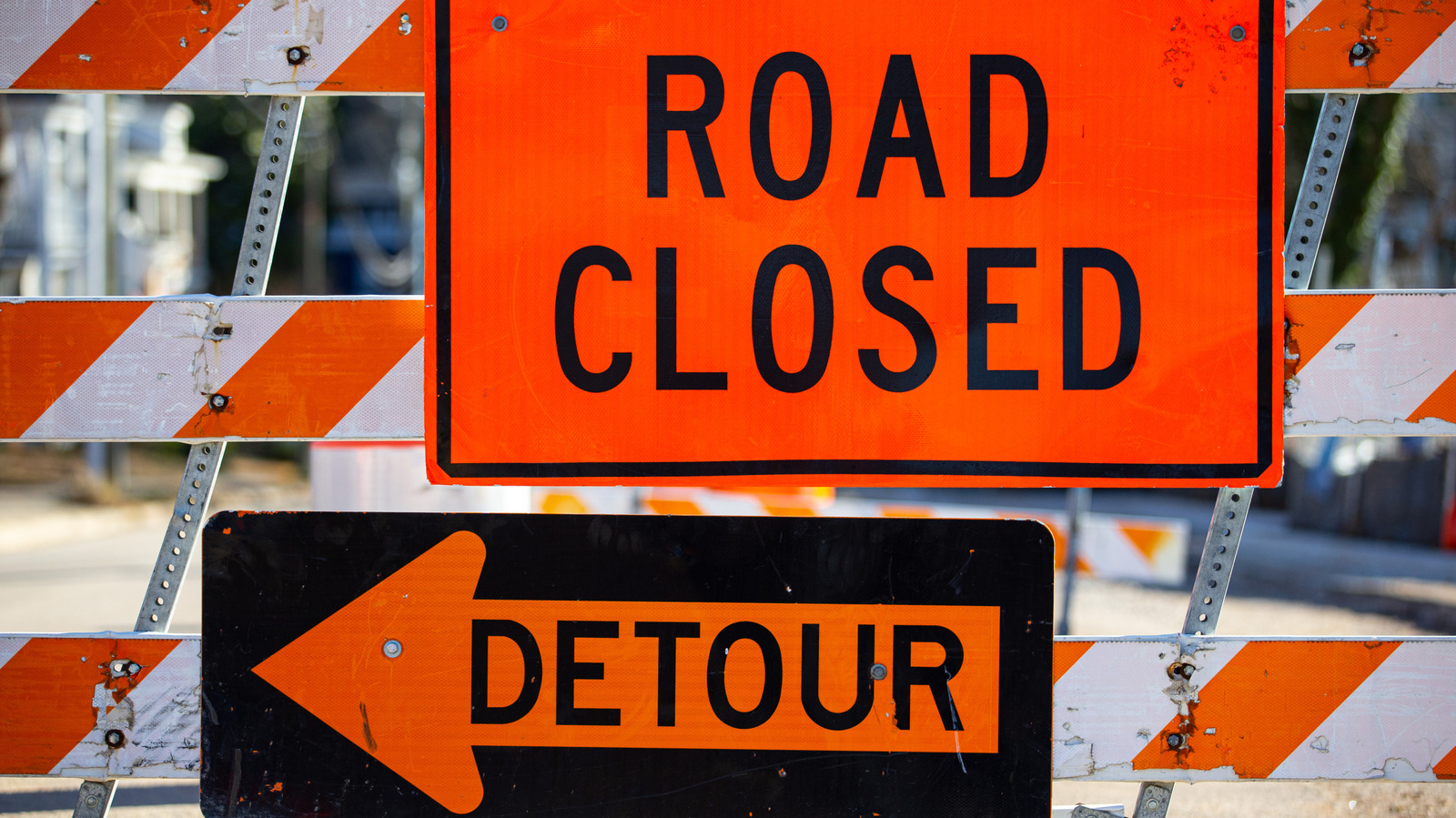
Construction zone warning signs sport bright orange instead of the standard yellow used elsewhere on roadways because visibility matters in chaotic work environments. The higher contrast orange provides drivers with faster visual recognition compared to yellow, particularly in low-light conditions and poor weather.
Traffic engineers and safety officials adopted this distinction decades ago based on human perception research. Orange wavelengths cut through dust, fog, and rain better than yellow does. Construction sites feature moving equipment, debris, lane shifts, and worker activity that demand immediate driver attention. Standard yellow warning signs, designed for fixed road hazards like curves or pedestrian crossings, don't command the same urgency needed in active work zones.
The color coding creates a visual hierarchy on roads. Yellow means "caution ahead." Orange means "active hazard, immediate action required." Drivers unconsciously process these signals faster when colors match danger levels. A construction worker standing near a bright orange sign registers as a more serious threat than a yellow sign warning of a pothole.
State transportation departments and the Federal Highway Administration standardized orange for temporary traffic control devices in the 1980s and 1990s. Municipalities followed suit to ensure consistency across regions. Today, any portable sign, barrel, or advance warning marker in construction zones carries that distinctive orange.
The choice reflects practical safety engineering rather than aesthetics. Retroreflective sheeting on orange signs bounces headlight beams more effectively than yellow materials at certain angles. Contractors stock orange signs because they work. Insurance companies and liability lawyers support the standard because it demonstrably reduces accidents in work zones.
Some states experimented with other colors historically. Orange won out because it performed best in real-world testing across climate zones and lighting conditions. The consistency also helps drivers traveling between states. You see orange, you expect construction activity, period.
Road safety operates on small margins.