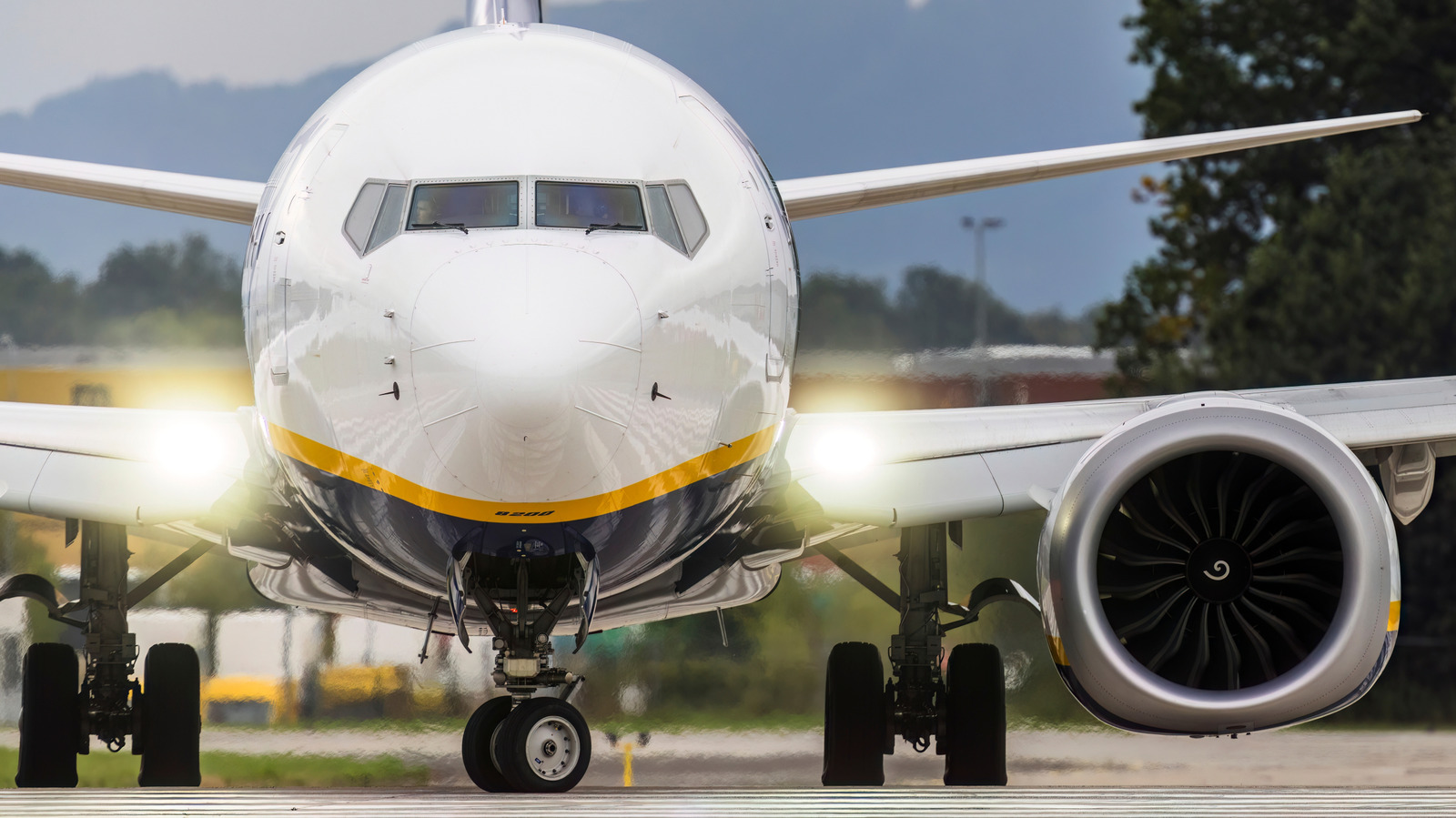
Boeing's 737 Max has officially become the manufacturer's best-selling aircraft of all time, surpassing the original 737's production record despite the model's troubled history. The achievement arrives amid lingering safety concerns following two fatal crashes in 2018 and 2019 that killed 346 people, plus the 2024 Alaska Airlines door-plug blowout incident that reignited public distrust.
The 737 Max returned to service in late 2020 after a 21-month grounding. Airlines have since ordered thousands of additional aircraft, pushing cumulative orders past the original 737's lifetime total. Demand reflects the jet's fuel efficiency, updated avionics, and airlines' urgent need for new narrow-body capacity as travel demand rebounds globally.
However, the production surge raises critical questions about manufacturing quality. The Alaska Airlines incident exposed systemic issues in Boeing's quality control processes. Investigators discovered that plug doors were not properly installed during assembly at the company's Renton, Washington facility. Subsequently, the FAA launched audits revealing further defects including missing bolts and incomplete assembly on multiple aircraft before delivery.
Boeing faces enormous pressure to capitalize on the Max's commercial success while managing a production ramp that strains its supply chain and workforce. The company increased monthly output from 38 to 50 aircraft while grappling with supplier bottlenecks and quality inspection protocols.
Industry observers worry Boeing prioritizes sales velocity over rigorous safety audits. The company's commercial viability depends on maintaining airline confidence and regulatory approval, yet each defect discovery chips away at that trust. Airlines and passengers remain sensitive to the Max's safety record, making manufacturing integrity nonnegotiable.
Boeing's achievement marks a comeback narrative, but the 737 Max's future depends entirely on flawless execution. Cutting corners now would repeat the errors that preceded the crashes.