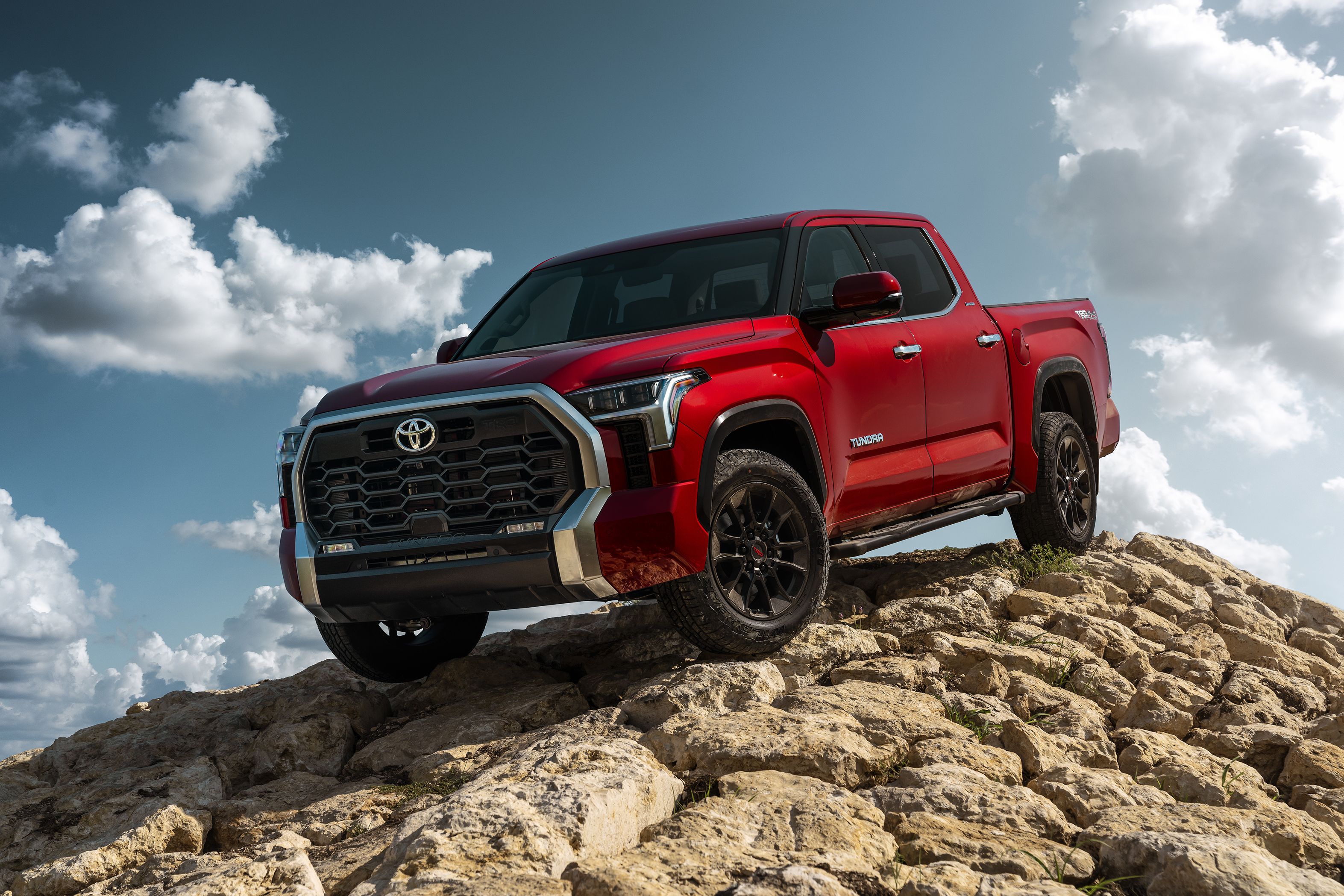
Toyota is recalling a single 2024 Tundra pickup truck due to an incorrect Gross Vehicle Weight Rating sticker. The NHTSA filing reveals that aftermarket accessories installed on this specific truck were not factored into the vehicle's official GVWR label.
The GVWR represents the maximum weight a vehicle can safely carry, including passengers, cargo, and fuel. An inaccurate sticker creates safety risks by potentially allowing drivers to exceed the truck's structural and braking limits without realizing it. Overloading can compromise handling, increase stopping distance, and cause brake fade.
This single-vehicle recall highlights how dealer-installed accessories complicate compliance. When trucks leave the factory with options like bed liners, tonneau covers, or upgraded towing packages, those weights must roll into the GVWR calculation. If dealers add equipment after production without updating the placard, the legal weight rating becomes invalid.
The Tundra's case is unusual in its specificity. Most recalls affect thousands or hundreds of thousands of vehicles across model years and production batches. A one-truck recall suggests either a manufacturing quirk or an isolated dealer error that slipped through quality checks. Toyota likely caught the discrepancy during documentation review or after a dealer reported the issue.
For the affected owner, resolution is straightforward. Toyota dealers will install a corrected GVWR sticker that properly accounts for the aftermarket gear. This ensures the truck's actual weight capacity matches what the label claims, restoring compliance with federal regulations.
The recall underscores an ongoing tension in the truck market. Buyers increasingly personalize their vehicles with aftermarket additions. Manufacturers and dealers must track these modifications carefully to maintain accurate weight ratings. A single overlooked sticker matters less than the broader lesson: weight matters in a 5,600-pound truck.