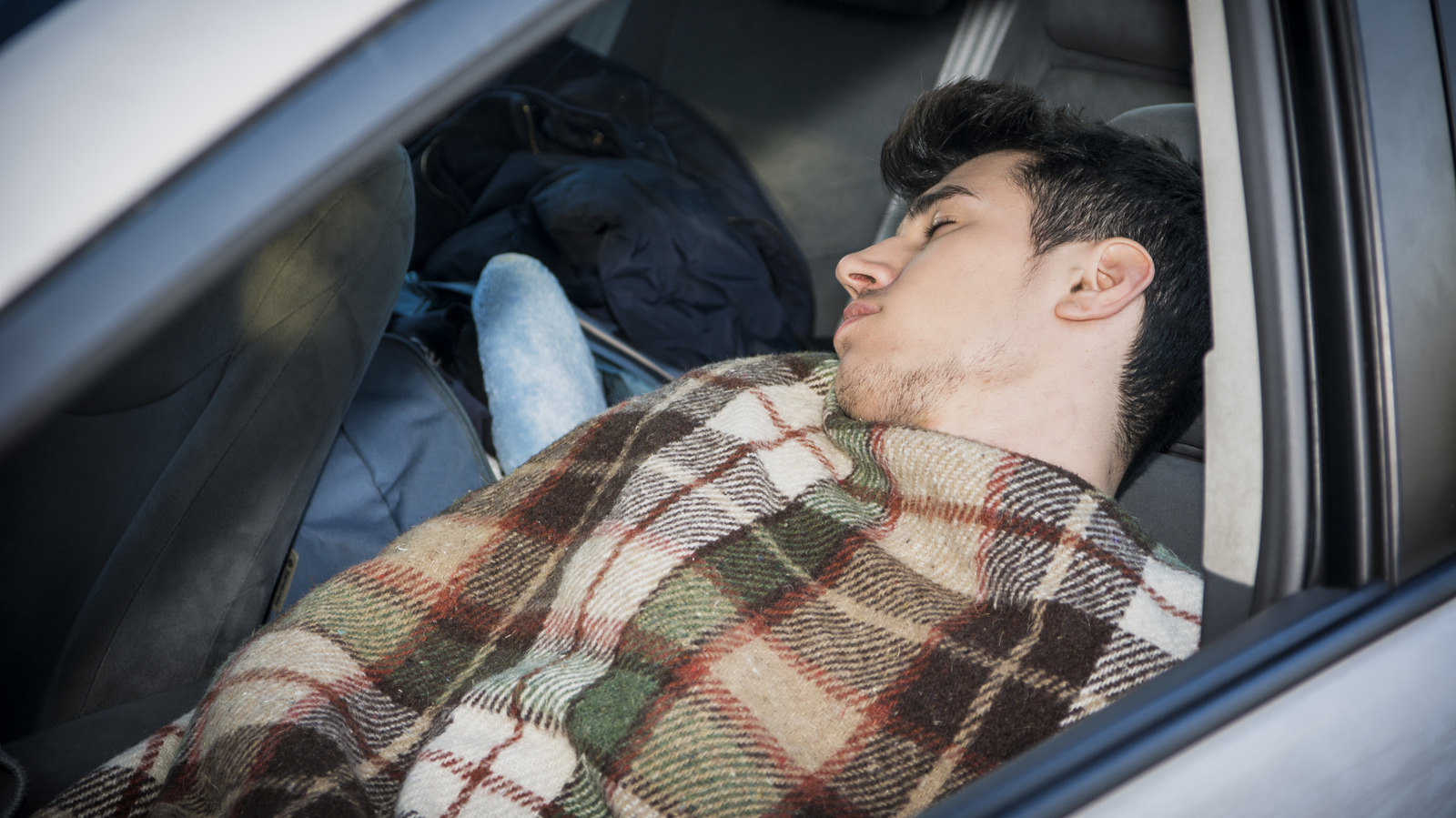
Cities across the United States are rapidly criminalizing vehicle habitation and car camping through new ordinances and enforcement crackdowns. What was once tolerated in many urban areas now triggers fines, citations, and vehicle impounds in an expanding list of municipalities.
The trend reflects escalating tensions between local governments and unhoused populations. Rather than addressing root causes of homelessness, cities are adopting prohibitive measures that make it illegal to sleep or live in vehicles parked on public streets. Some jurisdictions have implemented 24-hour parking bans in specific zones. Others require residents to move vehicles every few hours, making it functionally impossible for people to rest safely.
Los Angeles, San Francisco, Seattle, and Denver have all tightened restrictions in recent years. Even smaller cities in Texas, Colorado, and California are following suit. The bans typically carry steep penalties. First-time violations can result in $250 to $500 fines. Repeat offenders face vehicle seizure and criminal charges in some cases.
Advocates argue these laws push vulnerable people into more dangerous situations. Without legal parking options, those living in cars move to industrial areas or remote locations away from services, hospitals, and soup kitchens. Law enforcement spending on enforcement diverts resources from actual public safety needs.
Automotive lifestyle communities also feel the impact. RV owners, van dwellers, and road-trippers find themselves in legal gray zones even when parked legally. Some cities have responded by creating designated safe parking lots with basic amenities, though these programs remain underfunded and limited in availability.
The criminalization approach mirrors broader patterns of "defensive urbanism" that uses design and policy to discourage unhoused people from remaining visible. Cities prefer removal over solutions. Vehicle habitation bans make homelessness someone else's problem rather than addressing it locally.
This shift carries implications beyond homelessness. It restricts