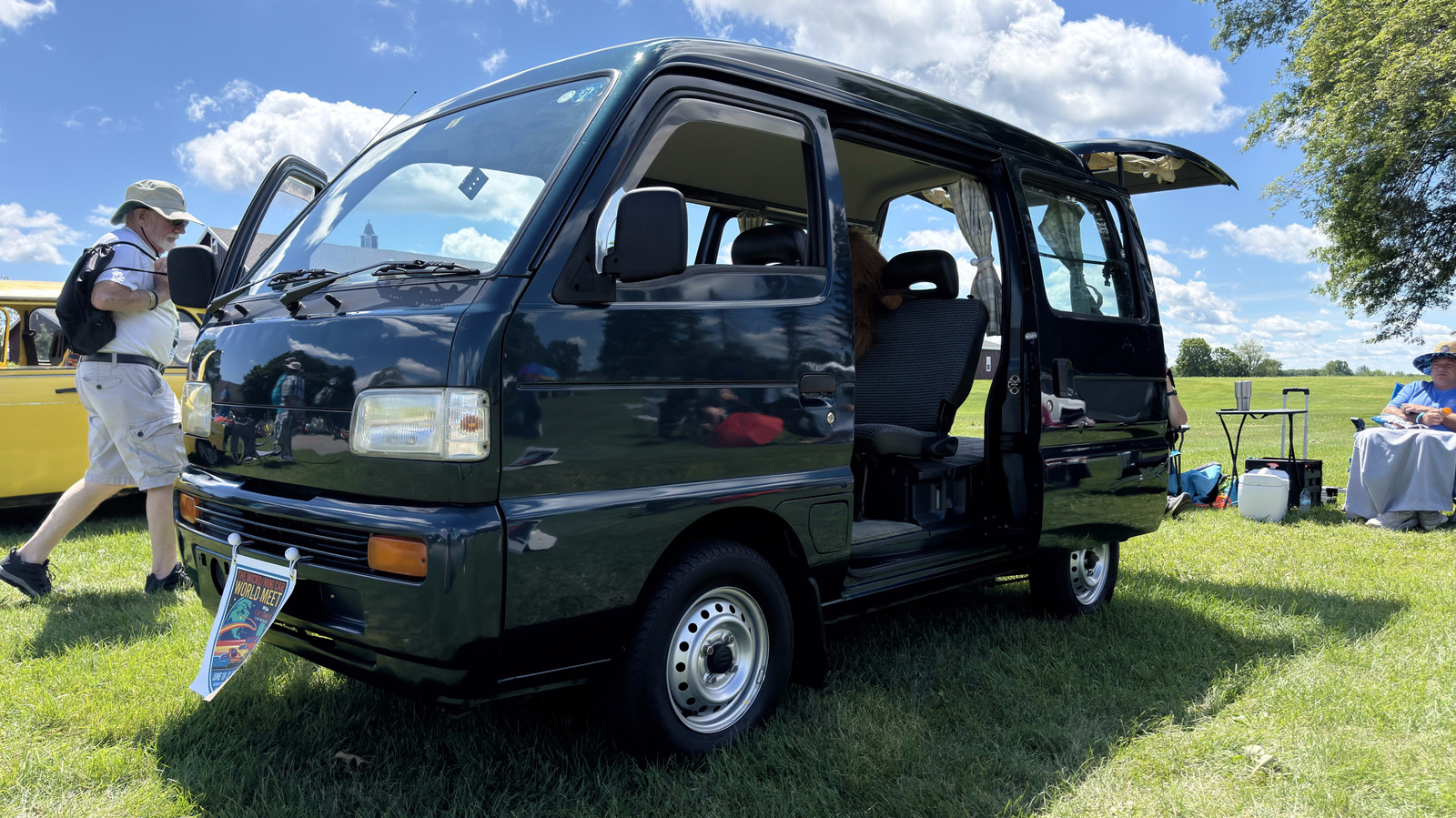
Alaska just legalized the import of 25-year-old Japanese kei trucks, opening a market that's been off-limits to the state's drivers for years. These diminutive vehicles, typically powered by 660cc engines and weighing under 1,100 pounds, were previously restricted in Alaska due to federal import regulations that prevented vehicles younger than 25 years from entering the country unless they meet U.S. emissions and safety standards.
Now that the 25-year window has passed for certain Japanese models, Alaskans gain access to a category of utilitarian vehicles that dominate rural Japan and other parts of Asia. Kei trucks offer genuine practicality in cold climates. Their compact size makes them nimble in snow and tight spaces, while their cargo beds handle firewood, tools, and supplies typical of Alaskan living. The vehicles' tight turning radius works well on narrow roads and rough terrain.
The catch is real. These trucks were never designed for American highways or extreme weather. Their engines produce minimal power, their interiors lack the heating and insulation standards North American drivers expect, and spare parts aren't readily available stateside. They're also right-hand drive, which takes adjustment for American drivers accustomed to left-hand operation.
But for certain Alaskans, the novelty and utility outweigh the compromises. Off-road enthusiasts and rural property owners willing to modify their imports for comfort and performance see value in vehicles that cost far less than comparable U.S. trucks and weigh half as much. The kei truck market exploded nationwide once the 25-year rule opened the door, and Alaska's legalization reflects that broader trend.
These machines won't replace Ford F-150s or Chevy Silverados for serious work. But in Alaska's remote communities and harsh winters, a nimble 25-year-old