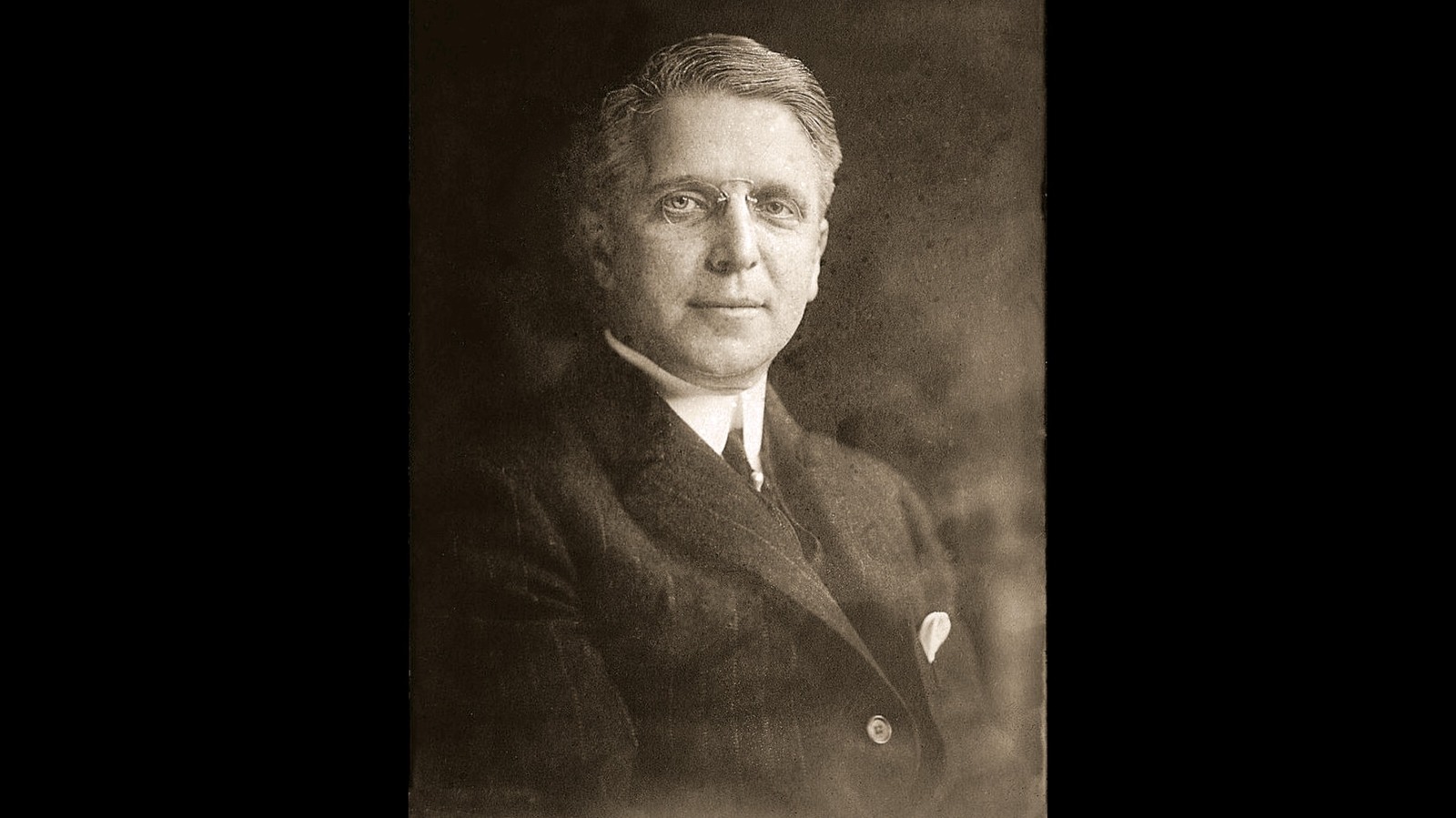
John Willys transformed a bicycle business into an automotive empire that would define military and civilian transport for generations. Starting in the bicycle trade during the 1890s, Willys pivoted to automobiles when he recognized the industry's trajectory. His gamble proved prescient.
The Willys-Overland company became one of America's largest automakers by the 1910s, competing directly with Ford and General Motors. Willys pushed innovation aggressively, introducing the four-cylinder engine to mass-market vehicles and building affordable cars that reached middle-class buyers. The company survived the 1907 financial panic through aggressive marketing and cost management.
But survival meant constant maneuvering. Willys faced hostile takeover attempts, reorganized his company multiple times, and navigated production challenges that nearly destroyed weaker competitors. His willingness to embrace risk distinguished him from more cautious manufacturers. When markets shifted, Willys shifted with them.
The pivotal moment came during World War II. The U.S. military needed a lightweight, versatile reconnaissance vehicle. Willys-Overland competed against Bantam and Ford for the contract. The resulting Willys MB Jeep became the most iconic military vehicle in history. Its compact frame, open design, and four-wheel-drive capability made it invaluable across theaters of war. The military ordered over 360,000 units.
That Jeep contract cemented Willys' legacy beyond the founder's lifetime. The vehicle survived the war, transitioned to civilian production as the Willys CJ, and spawned lineage that continues today through Jeep's modern lineup. Every Wrangler and CJ iteration traces back to Willys' wartime design.
Willys' journey from bicycles to Jeeps illustrates the American manufacturing playbook of the early 20th century.