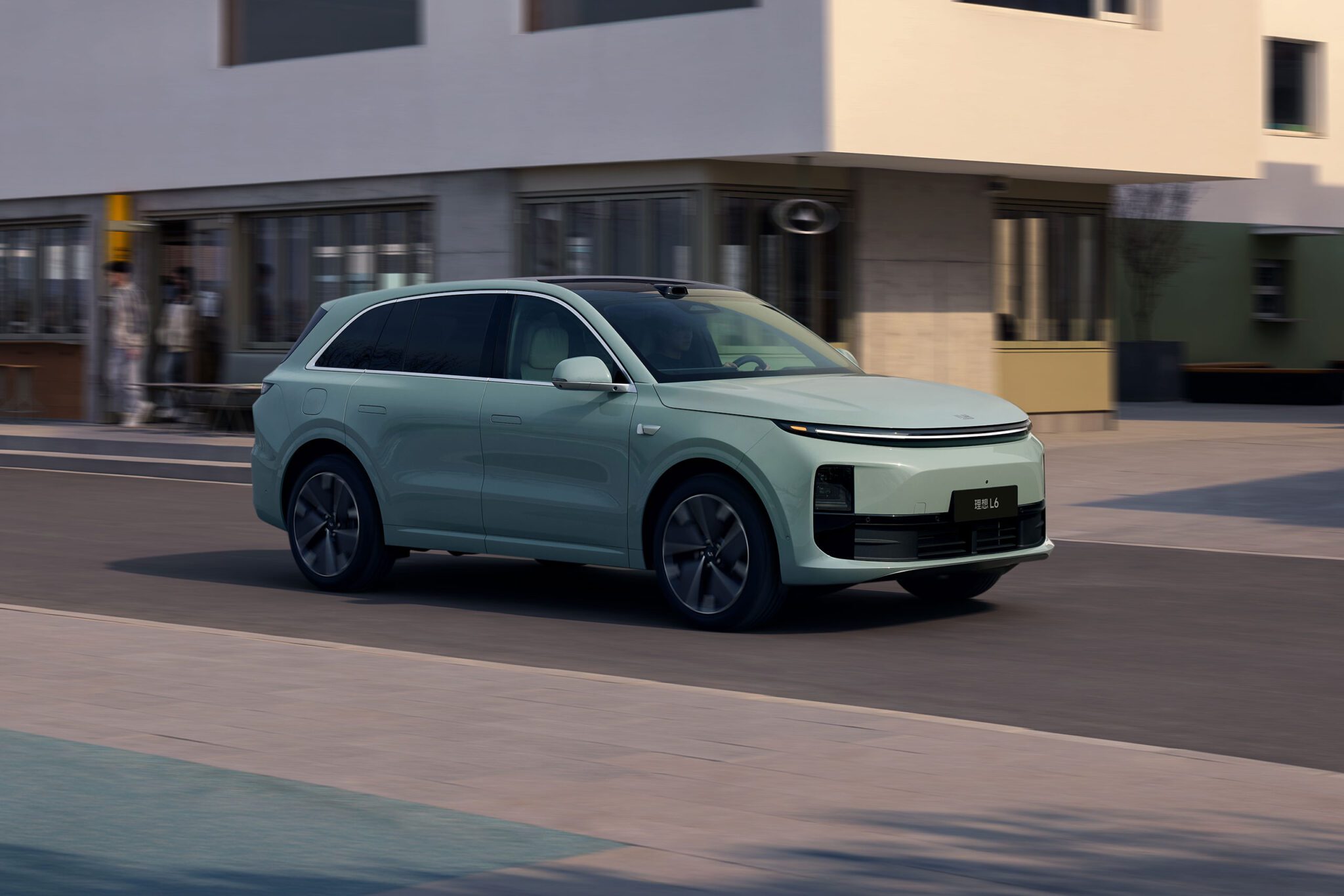
Li Auto has introduced the L6, an all-wheel-drive SUV aimed at China's premium new-energy vehicle segment. The launch tests whether demand remains robust in this category as competition intensifies among Chinese automakers and foreign brands alike.
The L6 enters a crowded premium SUV market where Li Auto already competes with its existing L-series lineup. Pricing strategy will prove critical. Li Auto must balance margin protection with volume targets at a time when Chinese consumers face expanding options from Tesla, BYD, Nio, and domestic challengers. Premium EVs and extended-range electric vehicles face particular pressure as cheaper models gain capability and appeal.
Li Auto built its brand on extended-range electric vehicle technology, which uses a small gas engine to extend driving range. This hybrid-electric approach gained traction with affluent early adopters who valued convenience without pure EV range anxiety. The company scaled aggressively, becoming one of China's largest EV-adjacent automakers by volume.
The L6's all-wheel-drive configuration targets buyers prioritizing performance and all-weather capability. This segment typically commands price premiums. However, Chinese consumers increasingly scrutinize value propositions. BYD's lineup has moved upmarket rapidly. Tesla's Model Y dominates premium SUV sales. Nio continues challenging perceptions of Chinese EV quality. Xpeng rounds out aggressive competition from rivals.
Li Auto's earlier models, including the L9 and L8, succeeded by targeting families seeking spacious, tech-forward interiors and dependable powertrains. The L6 likely follows this playbook but aims lower in the range, potentially competing more directly with mainstream premium buyers.
The real question involves whether Li Auto's extended-range strategy maintains appeal as pure EVs improve and charging infrastructure expands. Some analysts question whether this technology bridges a gap that narrows yearly. Li Auto's prof