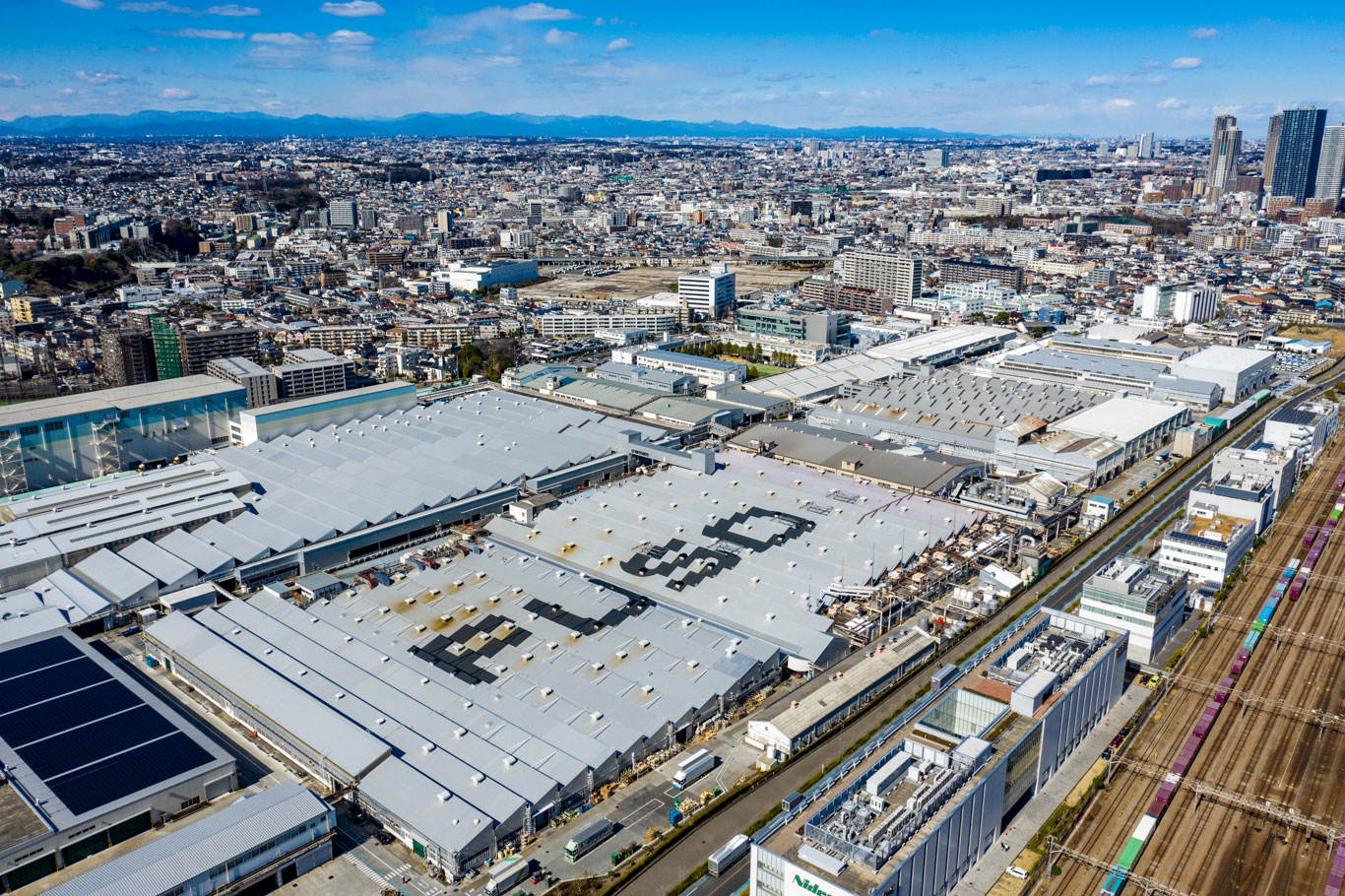
Mitsubishi Fuso declared its Japanese manufacturing facility carbon neutral, but the achievement relies heavily on carbon credits rather than operational emissions reductions. The truck and bus manufacturer reached the milestone through a combination of renewable energy investments, efficiency improvements, and offset purchases. Carbon credits comprise a substantial portion of the neutrality claim, highlighting how industrial decarbonization still depends on accounting mechanisms rather than deep structural changes.
Fuso's approach reflects broader industry struggles with genuine emissions reduction. The company installed renewable power sources and upgraded facility operations to lower direct emissions. However, purchasing offsets filled the remaining gap to reach net-zero status. This strategy raises questions about whether manufacturers are truly transforming their environmental impact or simply transferring emissions liabilities elsewhere.
The Japanese commercial vehicle sector faces mounting pressure to decarbonize. Fuso competes against Hino Motors, Isuzu, and international rivals pushing electrified truck and bus platforms. Pure electric and hydrogen fuel cell options remain capital-intensive and operationally complex for heavy-duty segments. Manufacturing facilities that achieve carbon neutrality through offsets alone do little to address tailpipe emissions from the vehicles themselves.
Fuso's parent company, Daimler Truck, has committed to electrifying its portfolio across global markets. The Japanese operation's carbon-neutral plant status signals environmental commitment but masks the harder work ahead. Scope 3 emissions, those generated when customers operate Fuso vehicles, dwarf facility-level reductions.
This milestone represents incremental progress in industrial sustainability reporting rather than transformative change. Offsetting remains essential for near-term climate goals, yet the industry cannot reach meaningful decarbonization without electrifying production lines, securing sustainable battery supply chains, and developing viable zero-emission powertrains for heavy-duty applications. Fuso's Japanese plant carbon neutrality announcement sounds positive in corporate communications but exposes how far truck