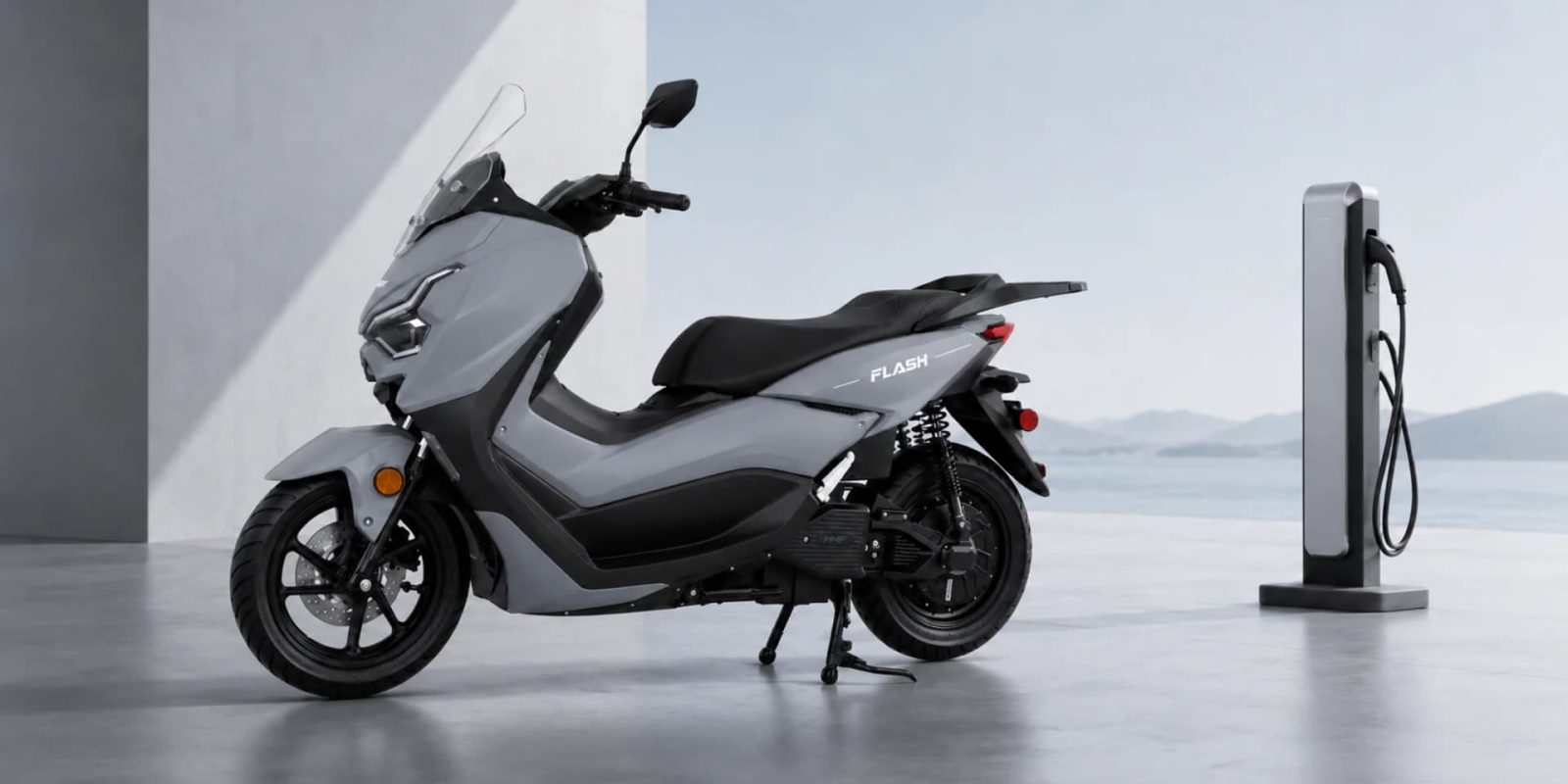
HMP Bikes is launching the Flash in the US, a high-performance electric scooter engineered for serious distance riders. The San Francisco-based company targets a market segment where seated scooters remain underpenetrated in North America, despite their popularity across Europe and Asia.
The Flash delivers 75 mph top speed at an accessible price point, positioning it as an affordable alternative to entry-level electric motorcycles. That performance level places it squarely in a gray zone between traditional kick scooters and full motorcycles. The design prioritizes range and durability for riders logging substantial miles rather than casual commuters.
US adoption of electric scooters has lagged considerably behind other electric mobility options. E-bikes have exploded in popularity, while electric motorcycles occupy a niche segment. Seated scooters never gained equivalent momentum despite their efficiency and practicality. HMP recognizes this gap and built the Flash from the ground up to address American rider expectations around performance and long-distance capability.
The 75 mph capability matters here. That speed opens access to highway corridors and longer commutes that traditional standing scooters cannot handle. It also signals HMP's intention to compete with lightweight electric motorcycle offerings that start around similar price points but lack the scooter's inherent advantages in agility and parking footprint.
HMP's positioning reflects broader EV industry trends. As consumers demand affordable alternatives to gas-powered commuting, manufacturers explore underserved segments. The US market still perceives seated scooters as novelties or international curiosities rather than legitimate transportation solutions. Changing that perception requires products that deliver genuine performance and range without premium pricing.
The Flash enters a market where regulatory clarity remains murky. State and local laws treat electric scooters differently from motorcycles, creating registration and licensing complications. That regulatory uncertainty has historically deterred both manufacturers and consumers. HMP's US