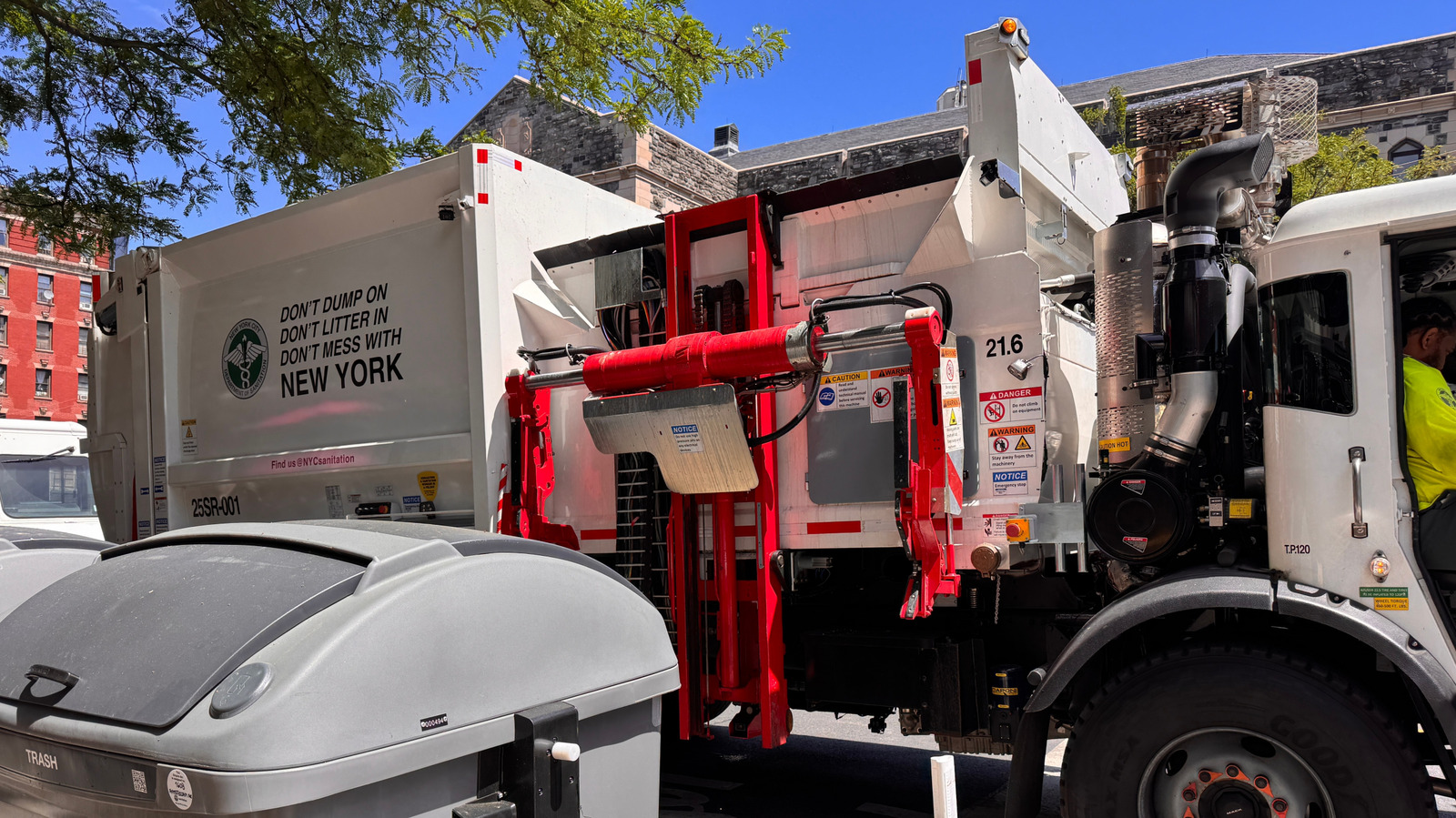
New York City is swapping street parking spaces for trash bins in upper Manhattan, a move that reflects the city's evolving priorities around congestion, waste management, and urban density. The initiative removes dedicated parking spots to create space for larger, more efficient waste collection infrastructure.
This trade-off addresses a real problem. Manhattan's narrow streets struggle under the weight of double-parked delivery trucks, double-stacked trash bags, and the constant hunt for legal parking. By consolidating waste into centralized bins, the city reduces the visual clutter and double-parking chaos that plague residential blocks. Garbage trucks spend less time idling while sanitation workers collect scattered bags, cutting emissions and congestion simultaneously.
For drivers, it stings. Parking is already scarce in upper Manhattan, and removing spaces pushes more vehicles toward commercial lots or garages. But the math increasingly favors this trade. Most Manhattan households don't rely on personal vehicles for daily commuting. They use transit, cabs, and car-sharing services. Street parking primarily serves occasional use and delivery vehicles that clog streets while waiting to unload.
The waste infrastructure angle matters too. Consolidated bins reduce rats, odor, and the visual disorder of bags piling on sidewalks. Sanitation workers move faster through routes. The city also gains street-level real estate for bike lanes, parklets, or simple pedestrian breathing room.
Other dense cities have made similar calculations. San Francisco and Boston have tested bulk waste systems with similar trade-offs. The pattern is consistent: car storage yields to multimodal urban function. Cities with transit systems can afford to tighten parking supply. It nudges behavior without banning cars outright.
Upper Manhattan gets a cleaner streetscape and faster garbage collection. The loss is felt acutely by the minority of residents who keep cars parked on street. For a neighborhood with robust transit options, that