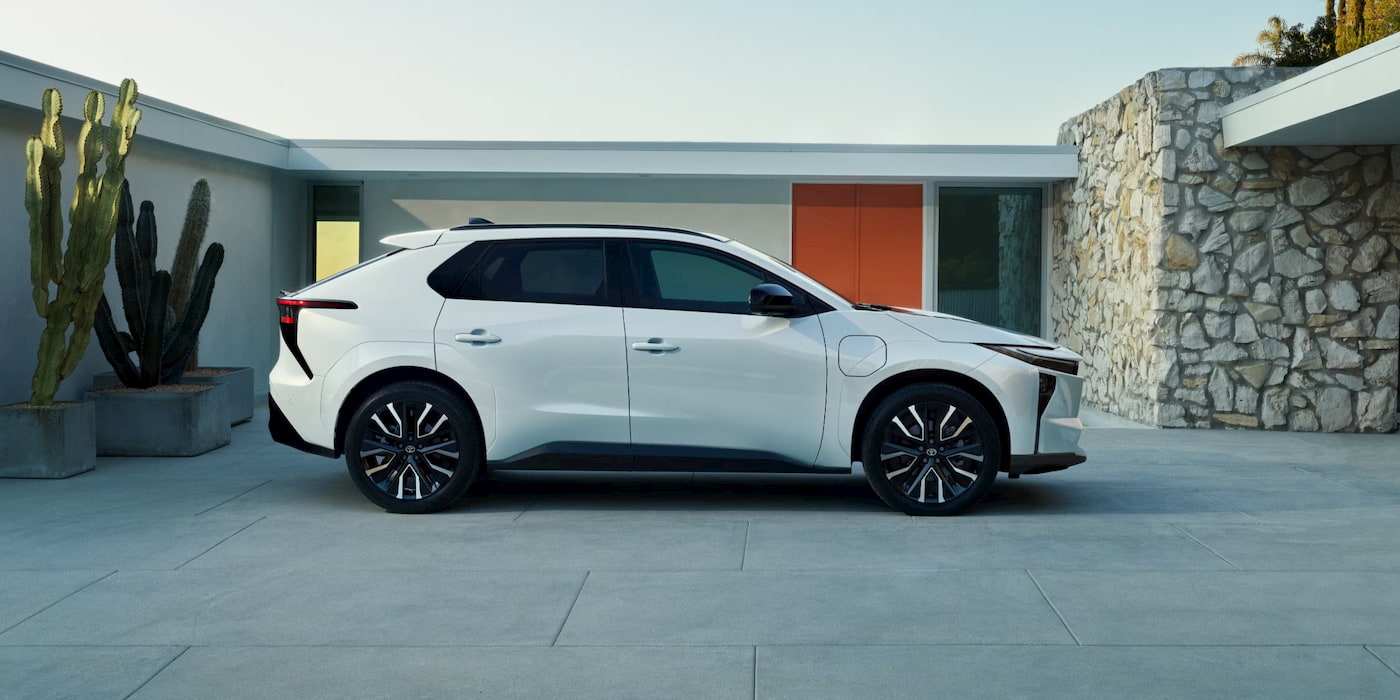
Toyota is sweetening the deal on its bZ electric SUV with a $3,000 trade-in incentive for owners of older electric vehicles in California. The offer reflects Toyota's aggressive push into the EV market as the bZ gains serious traction with buyers.
The bZ is performing remarkably well. It's nearly outselling the legendary Prius in 2025, a watershed moment for Toyota's EV strategy. The three-grand trade-in bonus targets existing EV owners directly, removing friction from the upgrade path. This matters because EV loyalty remains fragmented. Owners of aging Tesla Model 3s, Chevy Bolts, or Nissan Leafs represent a pool Toyota wants to convert.
The bZ itself offers practical appeal. It's a midsize SUV in a segment where buyers actually spend their money, unlike sedans. Toyota's manufacturing reputation means fewer early-reliability concerns than some EV startups face. Range and charging speed matter, and the bZ delivers credibly on both fronts depending on trim.
California's concentration of EV adopters makes it the logical proving ground for this incentive. The state accounts for roughly half of all EV sales in America. By targeting trade-ins specifically, Toyota signals confidence in the bZ's competitive position against established players like Tesla's Model Y, Hyundai's Ioniq 5, and Kia's EV9.
The trade-in strategy also helps Toyota manage used EV inventory concerns. Older EVs with degraded batteries create perception problems in resale markets. A structured trade-in program converts those liability concerns into marketing ammunition while removing customer hesitation.
Don't mistake this for desperation. Toyota is in a seller's market with the bZ. This incentive is positioning rather than panic pricing. It acknowledges that winning EV customers requires removing psychological and financial