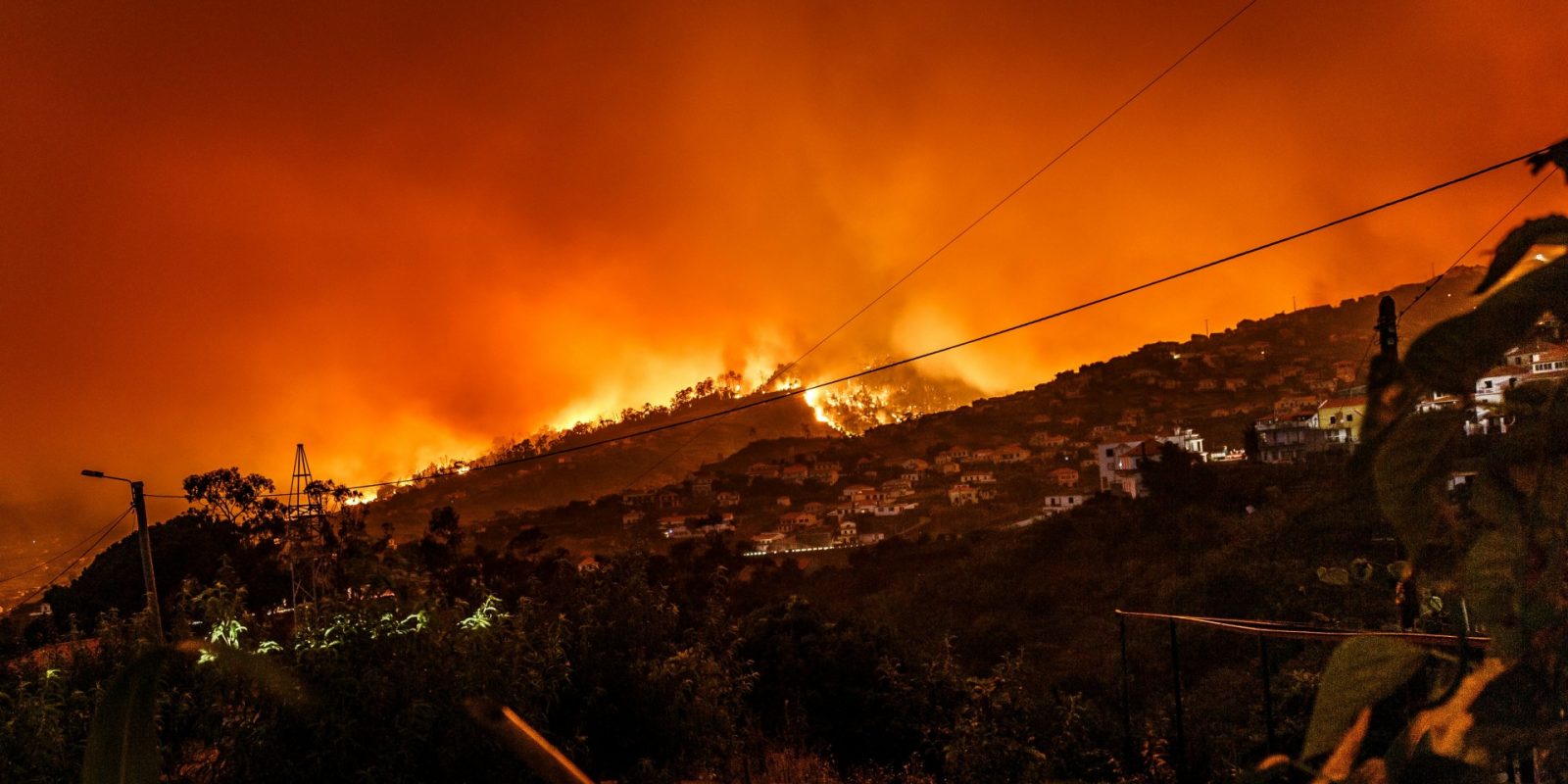
President Trump's proposal to tariff Canada over wildfire smoke drifts toward absurdity, but it inadvertently illuminates a serious policy gap in climate accountability. The threat targets Canada for cross-border pollution without acknowledging that the U.S. contributes meaningfully to North American air quality problems.
The logic collapses under scrutiny. Wildfires burn on both sides of the border. U.S. western states generate significant smoke that drifts into Canada regularly. A tit-for-tat tariff regime based on atmospheric conditions would spiral into trade chaos.
Yet the underlying instinct contains merit. Right now, countries face no economic consequence for exporting environmental damage across borders. Polluters operate without accountability. If Trump's tariff threat forces a conversation about pricing pollution transfers between nations, it opens a door to actual climate policy.
The auto industry watches this closely. Vehicle emissions standards already face tariff pressure. If environmental tariffs gain legitimacy as a trade tool, manufacturers will confront a new cost variable. A car built with dirty electricity in one jurisdiction might face penalties entering another. This reorients supply chains toward cleaner production.
Europe pioneered this with its Carbon Border Adjustment Mechanism. The CBAM taxes imports based on embedded carbon emissions, forcing global manufacturers to compete on environmental performance, not just labor costs. Strict standards push production toward cleaner regions.
Trump's smoke tariff differs in execution but touches the same nerve. Linking trade penalties to environmental outcomes, however clumsily proposed, signals that borders no longer insulate polluters from consequences.
The auto sector adapted to emissions regulations before. It will adapt to tariffs tied to carbon or air quality. Manufacturers already price in compliance costs. Environmental tariffs simply add another variable into the calculation.
The tragedy is that a serious climate tariff regime requires sophisticated measurement, bilateral agreements, and genuine recip