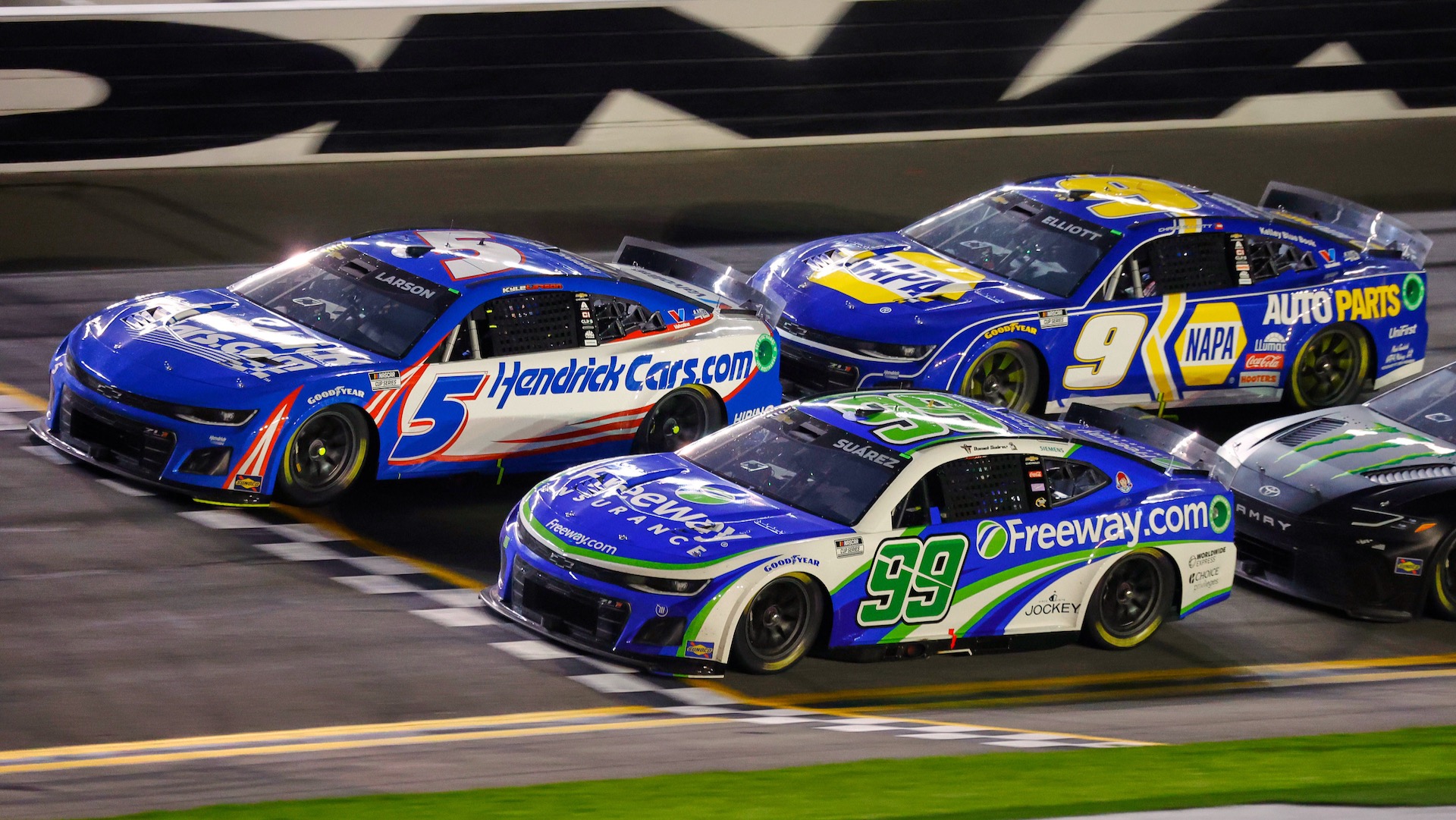
NASCAR is cutting engine power to 465 horsepower for its next Daytona race, a deliberate reduction aimed at reshaping competition on the sport's fastest superspeedways. The move means NASCAR stock cars will produce less power than a standard Mustang GT, a striking comparison that highlights how the sanctioning body is prioritizing racing quality over raw speed.
The horsepower reduction stems from NASCAR's ongoing effort to improve on-track action at high-speed ovals where pack racing creates unpredictable accidents and limits overtaking opportunities. By reducing available power, NASCAR reduces top speeds and makes cars harder to control, forcing drivers to rely more on skill and strategy than engine output alone.
This isn't NASCAR's first power adjustment. The series has repeatedly tweaked engine specifications on superspeedways to find the right balance between safety and competitive racing. Lower horsepower typically means tighter drafting, more jockeying for position, and better racing for fans watching races that would otherwise see long, fuel-saving single-file trains.
The 465-horsepower spec represents a meaningful step down from the standard 670-horsepower package NASCAR runs at most tracks. Daytona and Talladega, the two superspeedway venues, present unique aerodynamic challenges where cars reach 200-plus mph in the draft. At those speeds, even small power differences create massive performance swings, making races unpredictable and dangerous.
Teams will need to recalibrate setups and driving techniques for the lower-power Daytona event. Engineers will focus on aerodynamic efficiency and weight distribution rather than engine output. Drivers face the challenge of managing machinery that won't respond as aggressively to throttle input, demanding more finesse and less brute force.
The decision reflects NASCAR's broader philosophy shift. Rather than letting manufacturers and teams constantly escalate