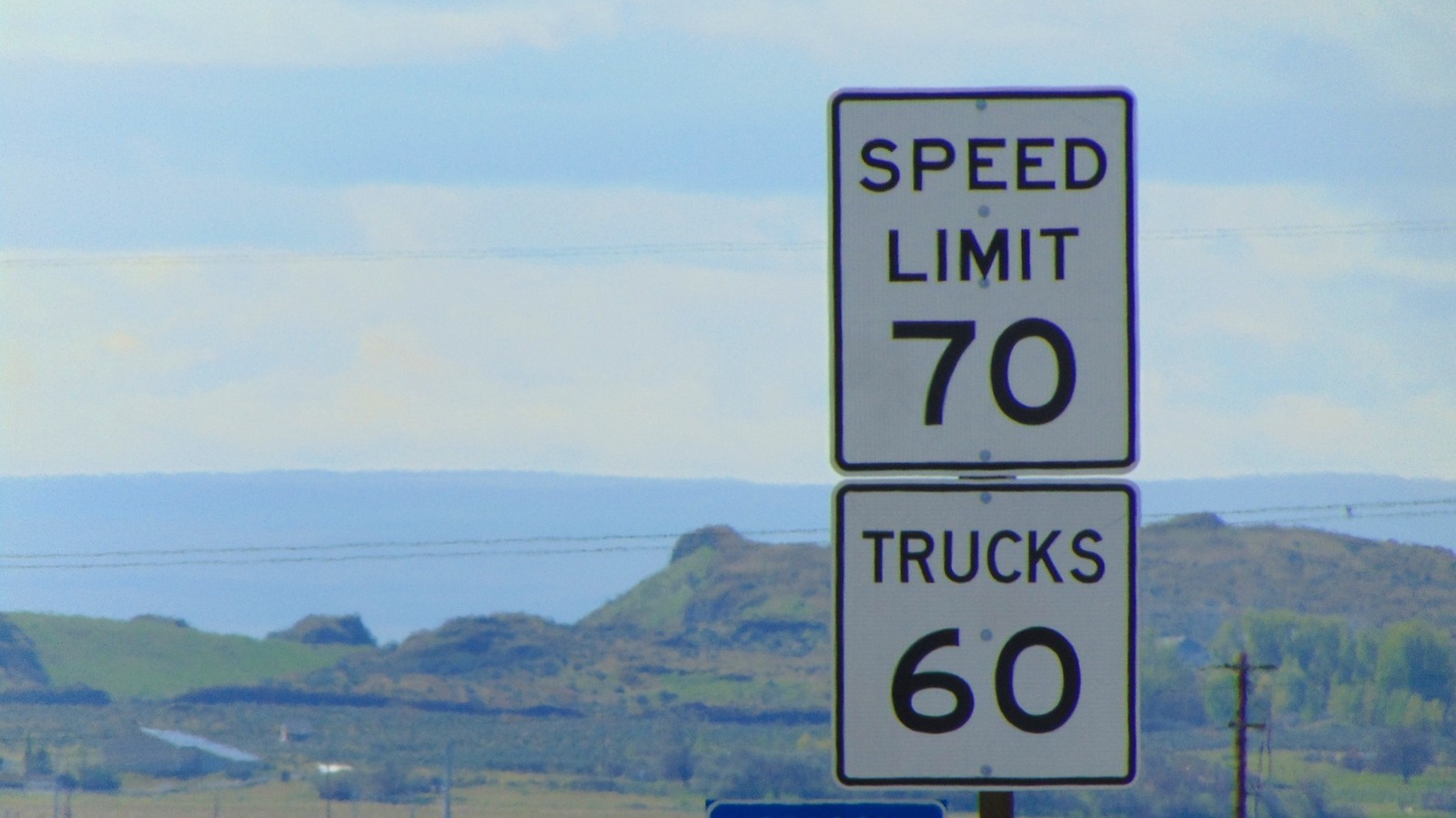
Different speed limit signs on the same road reflect actual driving conditions rather than arbitrary bureaucracy. Drivers encounter this setup when roads transition between different zones, weather conditions demand variable limits, or separate directions handle different traffic volumes.
The most common scenario involves divided highways where each direction carries its own posted limit. A northbound lane might permit 55 mph while southbound allows 65 mph based on terrain, sight lines, and accident history specific to each direction. Engineers analyze crash data, road geometry, and traffic patterns separately for each direction. A steep downhill grade on one side justifies a lower limit even if the opposite direction runs flat.
Time-based variations also appear on the same pole. Rush hour limits drop from 65 mph to 45 mph on congested routes. School zones enforce temporary reductions during pickup and dropoff windows. Night driving sometimes carries different limits than daytime due to visibility constraints. These signs stack vertically or attach to flip mechanisms that change with schedules or conditions.
Weather-responsive signs represent another category. High-wind corridors in mountain passes or coastal areas post 55 mph limits during storms but allow 70 mph on calm days. Winter weather in northern states triggers reduced limits on the same roads during snow season.
Drivers should treat each sign as independent guidance rather than viewing them as contradictory. When approaching, identify which sign applies to your specific travel direction and current conditions. Ignoring the appropriate limit for your lane causes speeding tickets and increases accident risk.
Many states now deploy digital speed limit signs that adjust automatically based on real-time traffic and weather data. This technology reduces confusion by displaying only the currently applicable limit. Traditional dual-sign setups remain common on older highways where infrastructure upgrades haven't yet occurred. Recognizing why multiple signs exist helps drivers understand road safety logic rather than dismissing them as confusing bureaucratic redundancy.