Toyota Prius dominates hybrid fuel economy discussions, but the segment extends well beyond the segment leader. Manufacturers across the industry now offer compelling hybrid alternatives that deliver respectable efficiency without the Prius badge.
Honda's Accord Hybrid and Civic Hybrid remain competitive entries, leveraging Honda's IMA (Integrated Motor Assist) system to achieve combined EPA ratings in the mid-40s mpg range. The Accord Hybrid pairs practical sedan proportions with genuine efficiency gains, while the Civic targets the compact segment. Both models deliver smooth powertrains and responsive handling that rewards drivers who want efficiency without sacrificing driving dynamics.
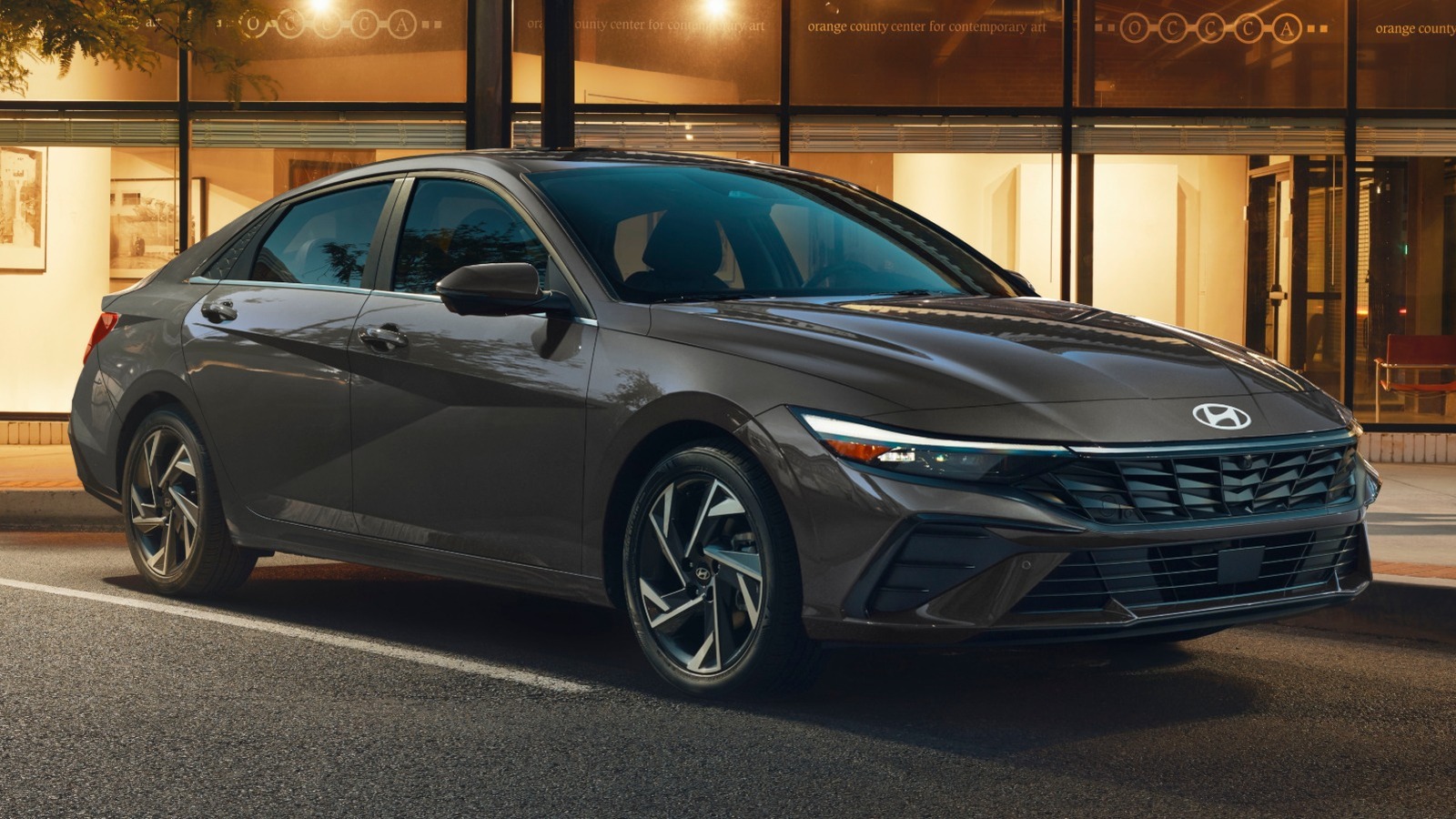
Hyundai's Ioniq Hybrid once competed directly with the Prius and still offers sharp efficiency credentials with EPA ratings near the Prius in many configurations. The Ioniq's sedan proportions appeal to drivers seeking traditional body styles over hatchback designs. Kia's Niro Hybrid crossover addresses buyers prioritizing cargo capacity and higher seating positions while maintaining respectable fuel economy in the high 30s mpg range.
Lexus extends hybrid technology across its lineup with the ES 300h sedan and UX 250h crossover, delivering premium cabin quality with hybrid efficiency. These vehicles target luxury-focused buyers willing to pay a premium for hybrid powertrains integrated into upscale platforms.
Mazda's CX-50 PHEV and other plug-in hybrid entries blur the line between traditional hybrids and electric vehicles, offering brief all-electric driving range for daily commutes while retaining gas engines for longer trips. Ford's Fusion Hybrid delivers competent efficiency in the midsize sedan segment, though availability has diminished in recent model years.
Ford and General Motors increasingly emphasize plug-in hybrids and full-electric vehicles over conventional hybrids, reflecting industry momentum toward electrification.