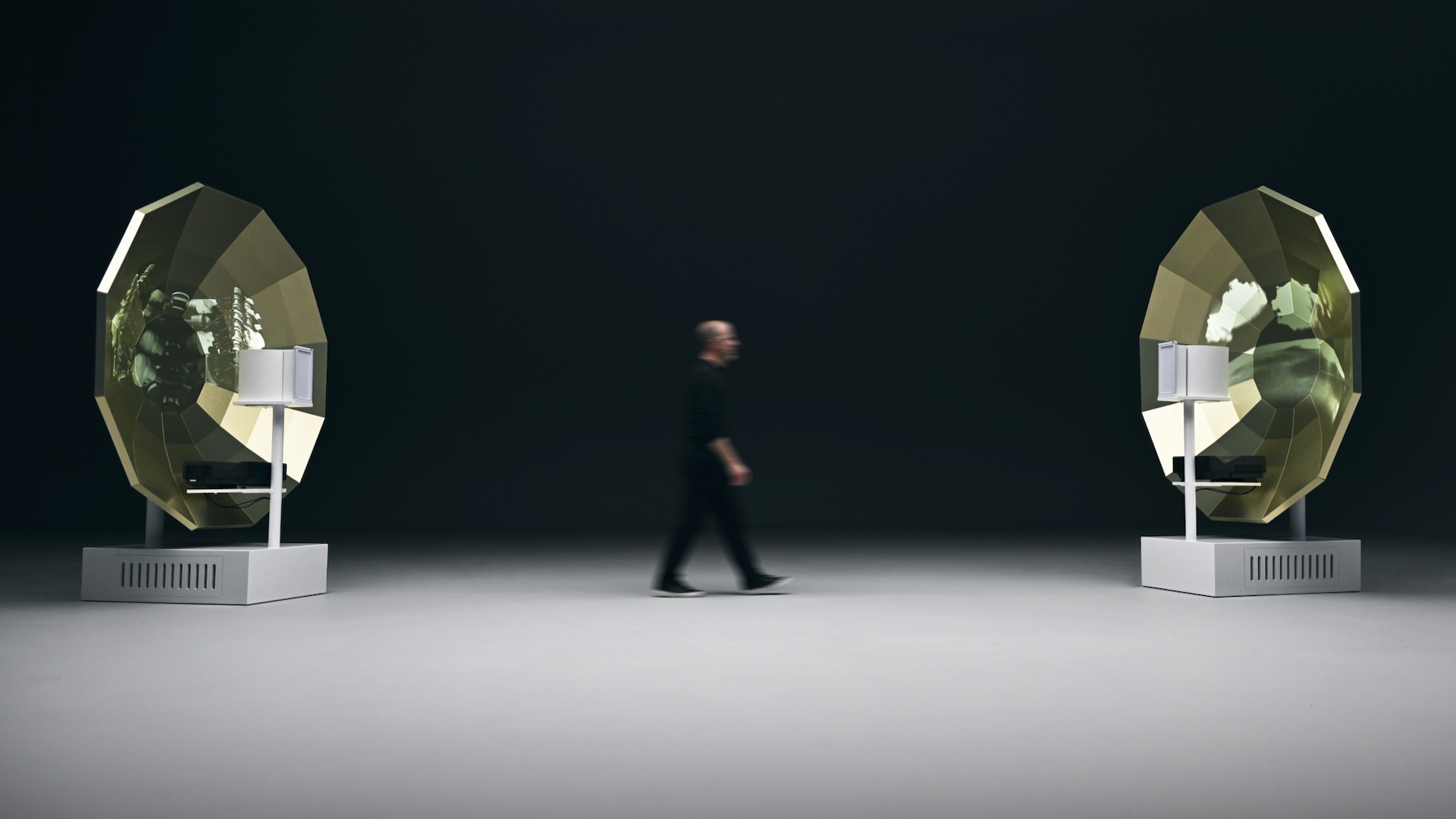
Bentley is addressing one of the EV era's most divisive questions: what should electric cars sound like? The British luxury automaker's answer arrives with the Torcal concept. Instead of synthesized engine noise or silence, Bentley opts for actual drums as the sonic signature for its upcoming electric vehicles.
The choice reflects a broader industry struggle. Enthusiasts have long mourned the loss of V8 growls and turbocharged howls that defined performance cars for decades. Manufacturers have scrambled to fill this void. Some, like BMW and Porsche, engineer artificial soundscapes piped through speakers. Others embrace minimalist quiet. Tesla's fart mode remains a punchline.
Bentley's percussion approach offers something different. Drums are organic, rhythmic, and genuinely musical in ways synthesized tones often fail to achieve. This strategy sidesteps the uncanny valley problem that plagues fake engine noises. Drivers hear something intentionally designed rather than a digital approximation of something absent.
The Torcal concept showcases this philosophy. Named after a dramatic Spanish landscape, it signals Bentley's vision for luxury EVs that retain character without chasing nostalgia. The drum concept works on multiple levels. It ties to human percussion traditions stretching centuries back. It avoids the awkward pretense of recreating combustion engine acoustics that EVs fundamentally cannot deliver authentically.
This reflects Bentley's position in the market. The brand targets buyers who value craftsmanship and distinctiveness over raw performance specs. A handcrafted sonic identity, quite literally using drums, aligns with that luxury positioning better than standard speaker output.
Whether customers accept this approach remains uncertain. Some will appreciate the artisanal touch. Others may find it gimmicky or distracting during daily driving. Bentley's gamble suggests that