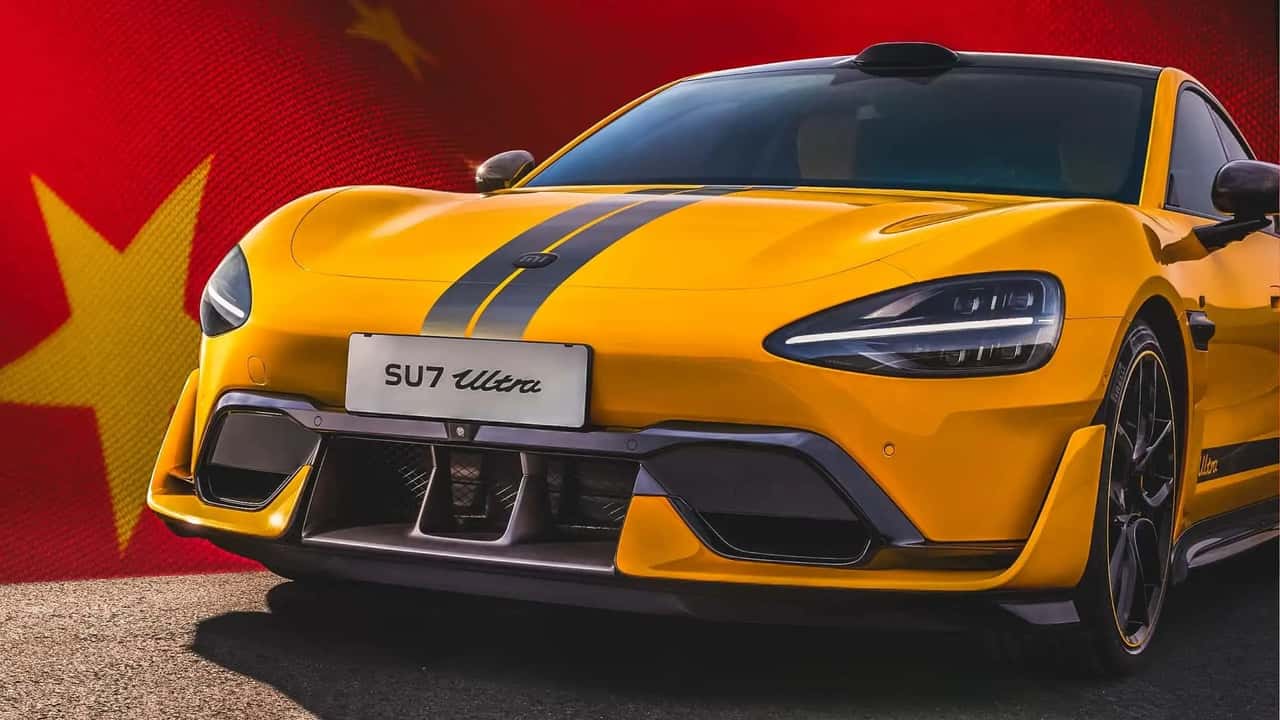
China's automotive market is experiencing explosive model proliferation. The country has launched 650 new car models through the first three quarters of 2024, averaging 30 fresh nameplates monthly. The United States, by contrast, introduces roughly 30 new models annually.
This flood of new vehicles reflects China's hypercompetitive domestic market and the country's manufacturing flexibility. Local manufacturers like BYD, Li Auto, NIO, and XPeng aggressively segment their lineups to capture every market niche. The strategy works. Chinese automakers control roughly 60 percent of their home market, while Tesla and other foreign brands struggle for relevance.
The numbers also reveal how Chinese firms approach product development differently than Western competitors. Rather than spending years perfecting a single platform, Chinese manufacturers rapidly iterate. They launch variants, refreshes, and entirely new models to test consumer appetite and respond to rivals in real time. Battery technology advances quickly in China, and new powertrain options emerge constantly. That speed advantage translates into volume.
The new model explosion spans all segments. Battery electric vehicles dominate, but plug-in hybrids and hydrogen fuel cell prototypes also proliferate. Sedans, coupes, crossovers, and trucks all receive constant new entries. Price points range from ultra-affordable city cars under $5,000 to premium electric SUVs exceeding $100,000.
For American and European automakers, this pace presents a strategic problem. Legacy manufacturers cannot match China's development velocity without massive restructuring. Tesla builds fewer models globally than China launches domestically each month. Traditional carmakers must choose between investing heavily in China or ceding market share entirely.
The phenomenon also signals how far ahead China has moved in manufacturing capacity. The country possesses factory flexibility Western plants lack. A plant can shift from sedans to SUVs, or gas to electric, with relative ease.