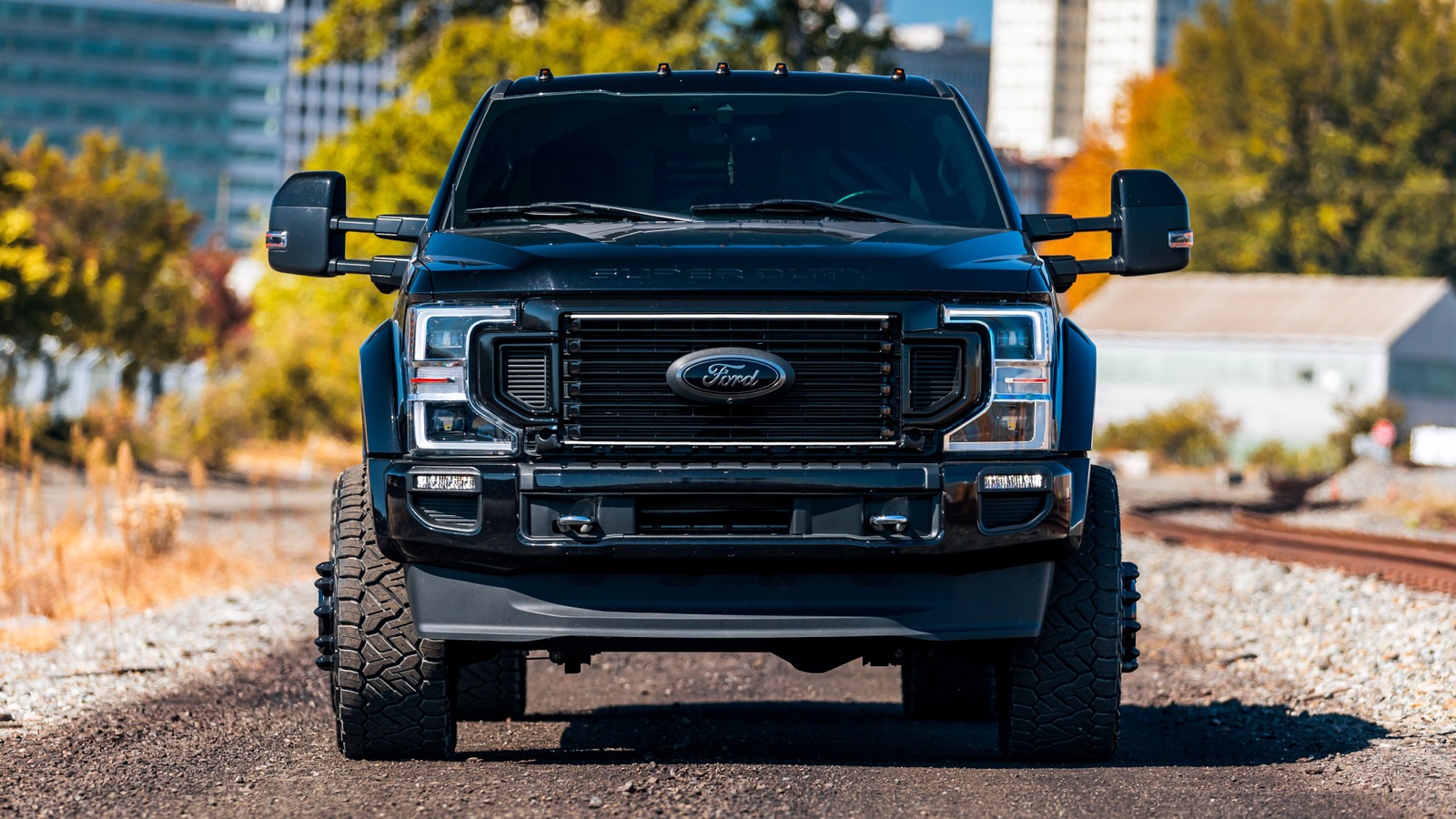
Vehicle weight has climbed to levels not seen in decades, reshaping the automotive landscape in ways that ripple across safety, infrastructure, and environmental concerns.
The average passenger car today weighs roughly 4,200 pounds, while crossovers and SUVs tip scales at 4,500 pounds or more. Pickup trucks regularly exceed 5,000 pounds. This represents a dramatic increase from the 1990s, when the average sedan weighed under 3,300 pounds.
Battery packs drive much of this trend. A Tesla Model 3 Standard Range weighs 3,582 pounds, while a Model 3 Long Range hits 4,094 pounds. The added battery cells necessary for range demand thousands of pounds of additional mass. Conventional automakers face identical physics. A gas-powered BMW 3-series sedan weighs around 3,600 pounds. Its electric i4 equivalent weighs 4,400 pounds.
Heavier vehicles demand more aggressive braking systems, reinforced suspension components, and thicker structural steel to meet modern crash-test standards. This compounds the weight problem across the board, even for conventionally powered cars. Safety regulations, while necessary, create an engineering feedback loop that adds pounds.
The consequences extend beyond manufacturing complexity. Heavier vehicles require stouter tires rated for greater load capacity, which consumers replace more frequently and at higher cost. Braking distance increases. Stopping a 4,500-pound crossover demands more energy than stopping a 3,300-pound sedan from 2000.
Infrastructure suffers too. Heavier vehicles accelerate road degradation. Bridges and parking structures designed for mid-range 1990s vehicles now carry machines that exceed original load calculations by 30 percent or more.
Fuel economy penalties hit gas-powered vehicles hardest. Physics demands that heavier