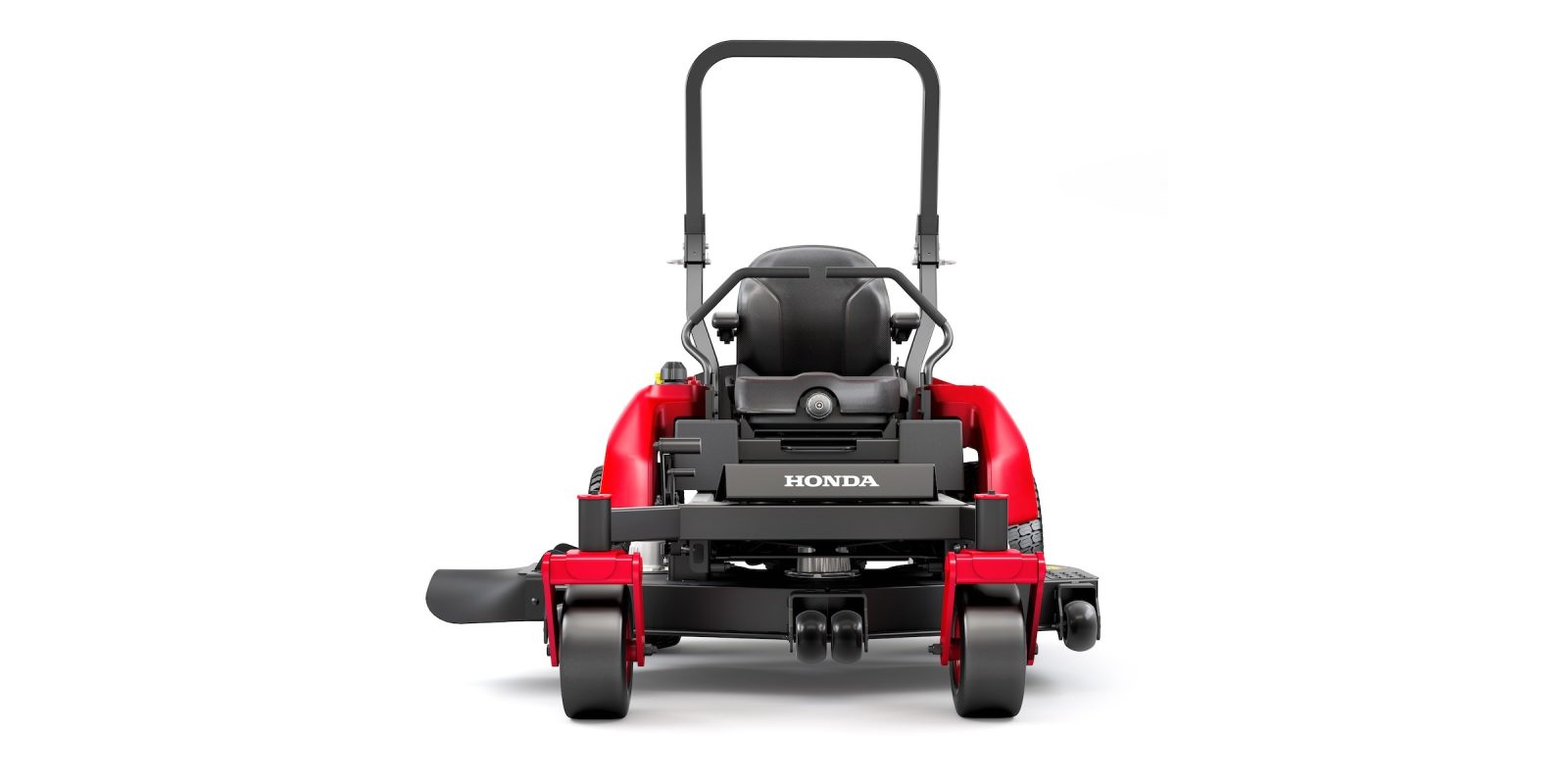
Honda is pivoting its EV ambitions toward an unexpected market segment: commercial and consumer lawn care equipment. The company's Power Equipment division has launched the Honda ProZion, an autonomous, all-electric zero-turn-radius mower aimed at commercial landscapers and larger residential users.
This move reflects Honda's broader strategy to electrify beyond passenger vehicles. The commercial outdoor power equipment market represents a multibillion-dollar opportunity largely untouched by traditional automakers. While Honda's automotive division continues developing passenger EVs to compete with Tesla and General Motors, its Power Equipment business is moving faster to capture an underserved segment.
The ProZion represents a significant leap from traditional gas-powered zero-turn mowers. The autonomous capability eliminates operator fatigue on large properties and allows contractors to deploy equipment for extended cutting cycles. Zero-turn radius design provides precise maneuverability around landscaping obstacles. Battery power removes emissions concerns relevant to commercial operations in populated areas and eliminates fuel storage complications for contractors managing multiple units.
The timing matters. Gas-powered outdoor equipment faces tightening emissions regulations in California and other states. Battery technology has matured enough to deliver runtime competitive with gas alternatives. Contractors increasingly pressure equipment dealers for cleaner options as environmental requirements tighten.
Honda's dealer network for Power Equipment provides direct distribution channels unavailable to startups entering this space. Existing relationships with landscaping companies and rental centers accelerate adoption. The company leverages decades of small engine expertise to manage battery systems and electric powertrains at lower price points than new competitors could achieve.
This strategy sidesteps Honda's slower progress in passenger EVs where capital requirements remain substantial and competition intensifies daily. Commercial equipment offers faster payback, less price sensitivity than consumer vehicles, and established dealer relationships ready to support new product categories. The multibillion-dollar market also provides profit margins that fund Honda's continued automotive EV development