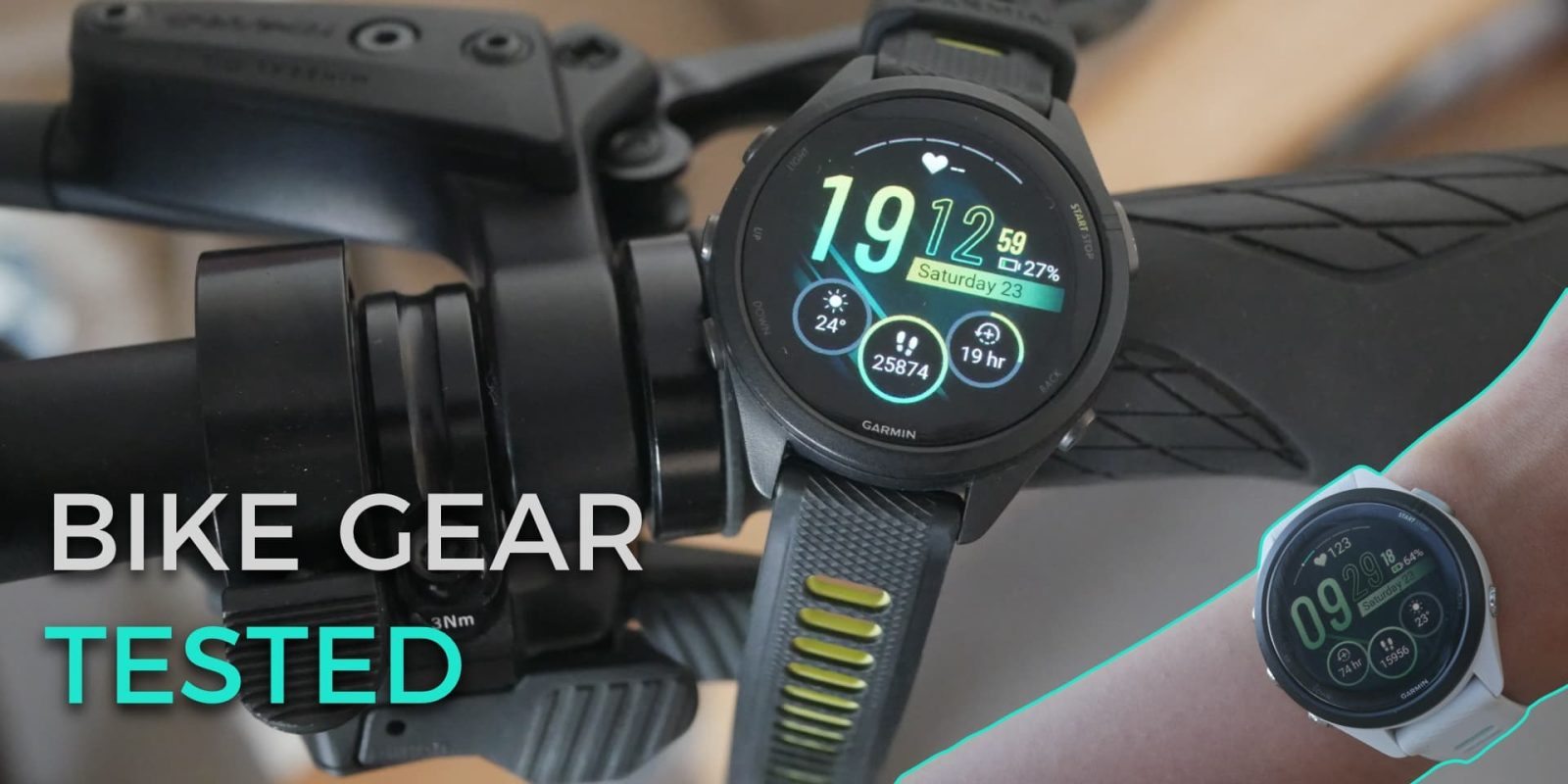
A personal fitness tracker changed one rider's approach to e-biking and daily activity monitoring. The author acquired a Garmin sports watch primarily to analyze cycling performance and running metrics but found the device's daily step-counting feature created unexpected behavioral shifts. The watch's goal-tracking system drove the user to complete activity targets, including a memorable late-night dash to meet a 200-step shortfall before midnight.
Garmin's sports watches target active users across cycling, running, swimming, and multisport activities. These devices deliver real-time data on heart rate, power output, cadence, elevation gain, and route mapping. For e-bike riders, this data proves valuable for monitoring effort levels and fitness progression independent of motor assistance.
The shift reflects broader adoption of wearable fitness technology among recreational and serious athletes. Smartwatch metrics create accountability loops that modify daily behavior. Step goals, workout reminders, and performance streaks gamify fitness routines, turning abstract health targets into concrete, competitive benchmarks. This psychological element drives engagement beyond traditional fitness tracking.
For e-biking specifically, wearables quantify the cardiovascular work riders perform. E-bikes reduce physical demand compared to unpowered bicycles, so many riders worry about actual fitness gains. Garmin watches separate human effort from motor assistance, displaying heart rate zones and calorie expenditure that reflect genuine rider output. This transparency appeals to riders balancing convenience with fitness goals.
The e-bike market continues growing, with riders seeking devices that validate their training and document improvements. Garmin competes directly with Apple Watch, Wahoo, and Coros in this space, each offering cycling-specific features and training platforms. Garmin maintains an edge in multisport functionality and battery longevity, factors that appeal to serious cyclists and triathletes.
Personal technology adoption often follows unexpected paths. Users purchase devices for specific purposes