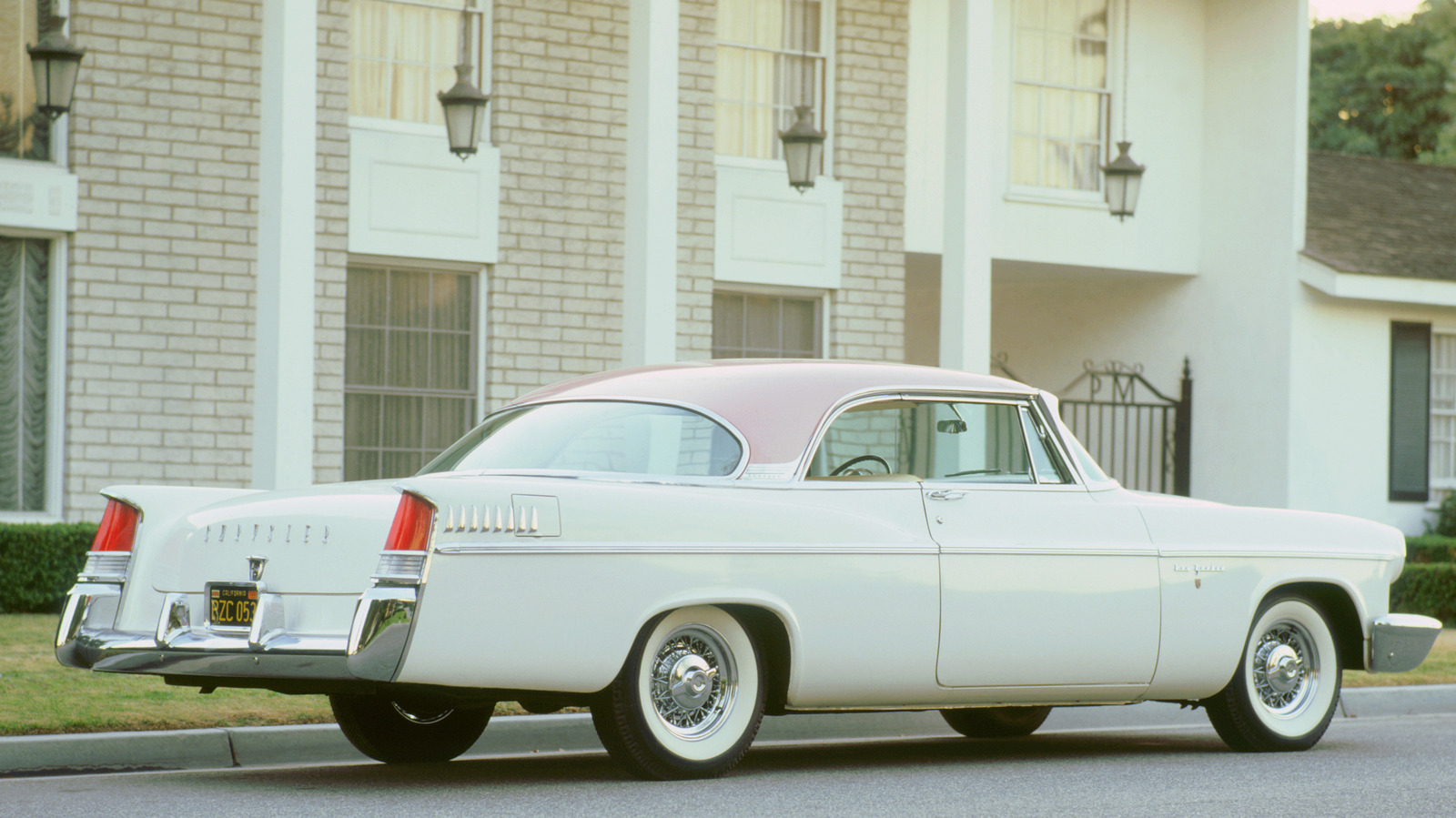
The 1996 Chrysler New Yorker marked the end of a 56-year nameplate that once defined American luxury sedans. Launched in 1940, the New Yorker had anchored Chrysler's premium lineup through postwar prosperity, the muscle car era, and the oil crises of the 1970s. By the mid-1990s, that legacy became a liability.
The final generation New Yorker arrived in 1994 on Chrysler's LH platform, sharing underpinnings with the Dodge Intrepid and Eagle Vision. While mechanically competent, the sedan faced a market that had fundamentally shifted. Japanese luxury marques dominated the segment. Lexus, Infiniti, and Acura had repositioned buyers' expectations around reliability, refinement, and resale value. Chrysler's reliability reputation lagged behind these competitors.
The 1996 New Yorker offered a 3.5-liter V6 producing 214 horsepower, front-wheel drive, and a spacious interior. Pricing hovered around $29,000 to $32,000. These specifications looked respectable on paper but couldn't overcome deeper problems. The competition had already won on perceived quality, dealer networks, and long-term ownership costs.
Chrysler faced brutal arithmetic. The New Yorker sold fewer than 80,000 units annually by the mid-1990s, a sharp decline from prior decades. The company needed platforms and resources focused on higher-margin vehicles and the SUV boom emerging across the industry. Sedans, particularly traditional large sedans, were becoming commodities.
The nameplate died quietly. Chrysler discontinued the New Yorker after 1996, replacing it with the Chrysler 300M for those wanting a mid-size luxury sedan.