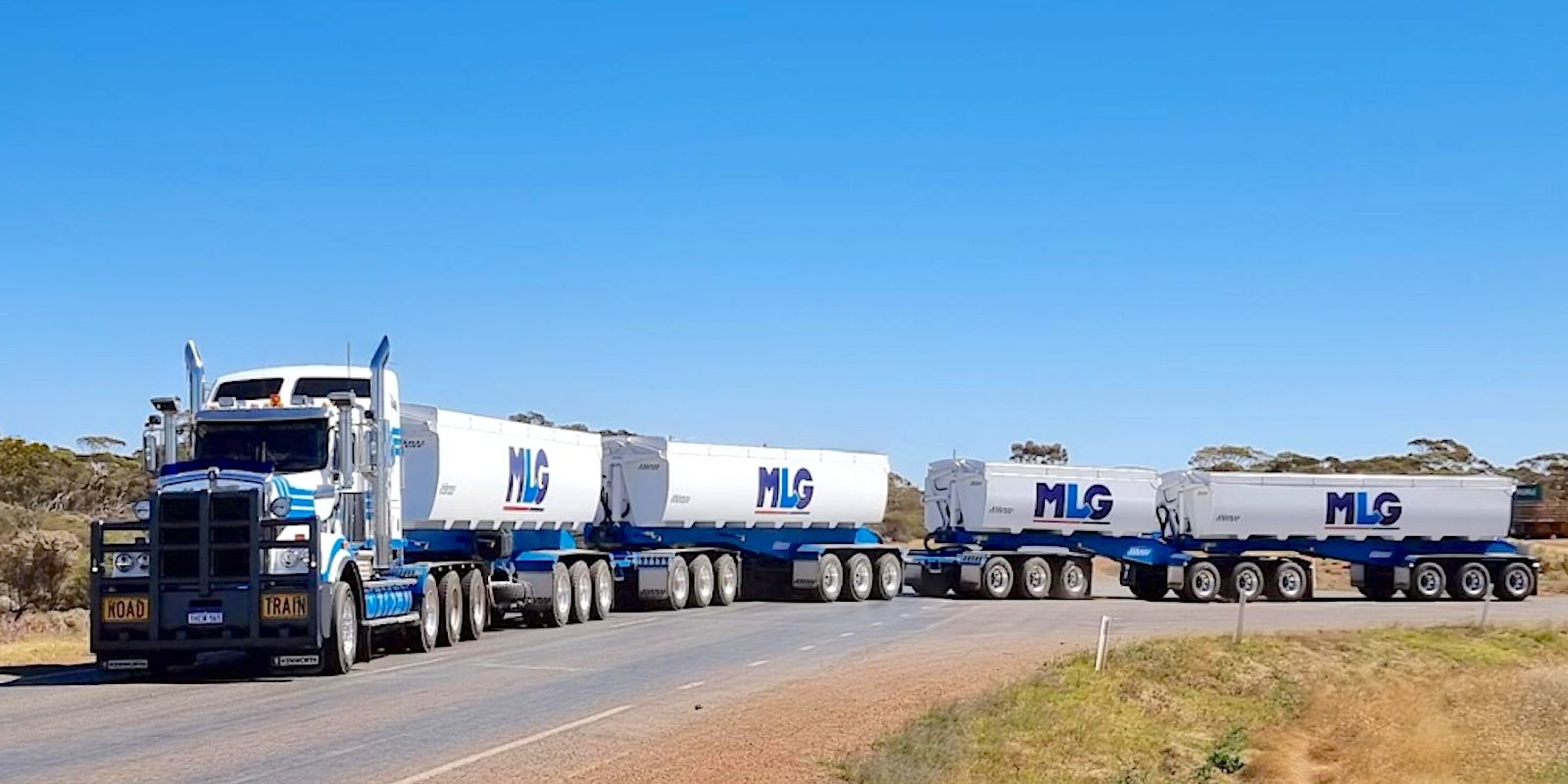
Australia's freight industry is deploying hybrid-electric road trains to haul heavier loads with reduced emissions, addressing a persistent driver shortage without relying on autonomous technology. Mick Murray's operation represents a practical solution to a real constraint: not enough drivers exist to move the freight volume the market demands.
The approach diverges sharply from US strategy. American carriers focus on increasing payload capacity within existing regulatory frameworks and equipment constraints. Australia's solution scales differently. These hybrid road trains combine multiple trailers into single units, maximizing freight movement per vehicle while cutting fuel consumption and tailpipe emissions through electrified powertrains.
The business logic works. One hybrid road train replaces multiple conventional trucks, reducing the number of drivers needed per ton of freight moved. For operators, that translates to lower labor costs despite higher upfront vehicle expenses. Environmental regulators and shippers increasingly demand lower-carbon logistics, making hybrid powertrains commercially attractive rather than merely compliant.
Road trains already dominate Australian freight. The country permits combinations of three or more trailers on remote routes, creating trains 53 meters long or longer. Hybridizing these vehicles compounds the efficiency gains. A single hybrid road train moving substantially more cargo on less fuel creates competitive advantage in markets where fuel and labor represent the largest operating expenses.
This solution sidesteps the autonomous readiness problem that plagues North American fleets. Self-driving trucks still face regulatory hurdles, liability questions, and technological gaps in unpredictable conditions. Hybrid road trains work today with existing infrastructure and current driver licensing frameworks. The technology is mature. The regulatory pathway is clear.
For Australian freight operators, hybrid road trains offer immediate returns. They reduce operational costs, shrink the carbon footprint per ton-kilometer, and require no moonshot technology bets. As driver availability tightens globally and emissions regulations tighten, expect other markets to study Australia's approach.