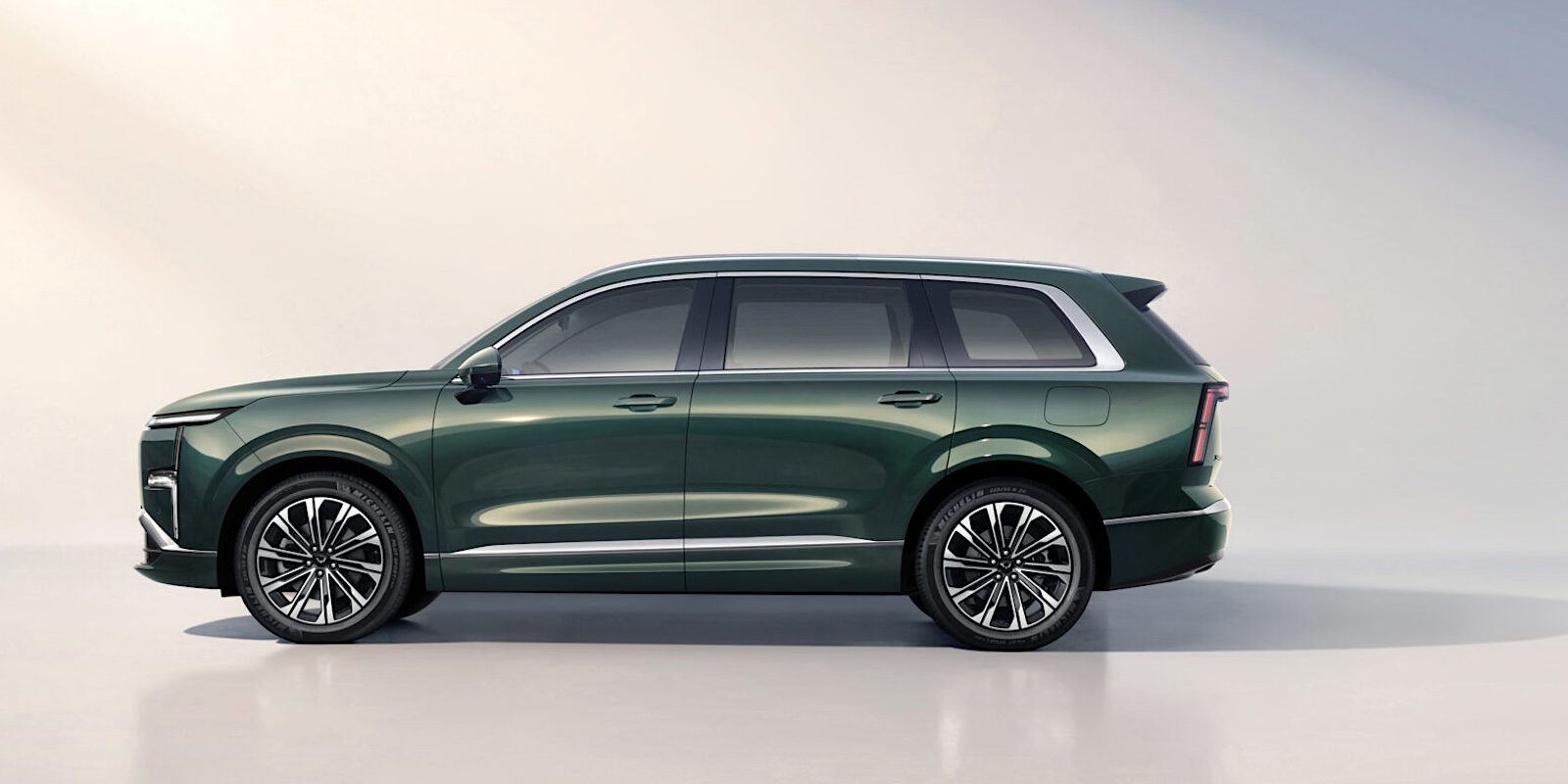
General Motors unveiled the Starlight L, a six-passenger plug-in hybrid SUV designed for the Chinese market that demonstrates the automaker's playbook for affordable PHEVs. The vehicle offers 160 miles of all-electric range, enough to handle most daily commutes on battery power alone before the gas engine kicks in for longer trips. With seating for six and a modern tech package, GM positions the Starlight L as a value proposition in China's booming PHEV segment.
The broader implication matters for North America. GM has increasingly used Chinese market vehicles as testbeds before introducing them stateside under different badges. The Starlight L's combination of practical range, affordable pricing, and family-oriented packaging hits a market sweet spot that American and Canadian buyers clearly want. Automakers have learned that PHEVs solve a real consumer problem: electric anxiety disappears when a gas engine provides backup power.
GM's strategy reflects industry reality. Plug-in hybrids remain the safe middle ground while battery technology and charging infrastructure mature. Brands like BMW, Mercedes-Benz, and Jeep have all moved aggressively into PHEV segments, targeting buyers hesitant to commit fully to battery electrics. The Starlight L's 780-mile total range, combining electric and gasoline propulsion, appeals to families who want flexibility without range anxiety.
China's PHEV market has exploded, with BYD, Li Auto, and others capturing significant sales from traditional automakers. GM's response with affordable, practical vehicles positions the company to compete in this crowded space. If the Starlight L eventually reaches North America, likely under a Chevy or GMC badge, it would target budget-conscious families seeking hybrid reliability. The timing aligns with consumers' proven preference for PHEVs over full electrics, at least until battery costs drop