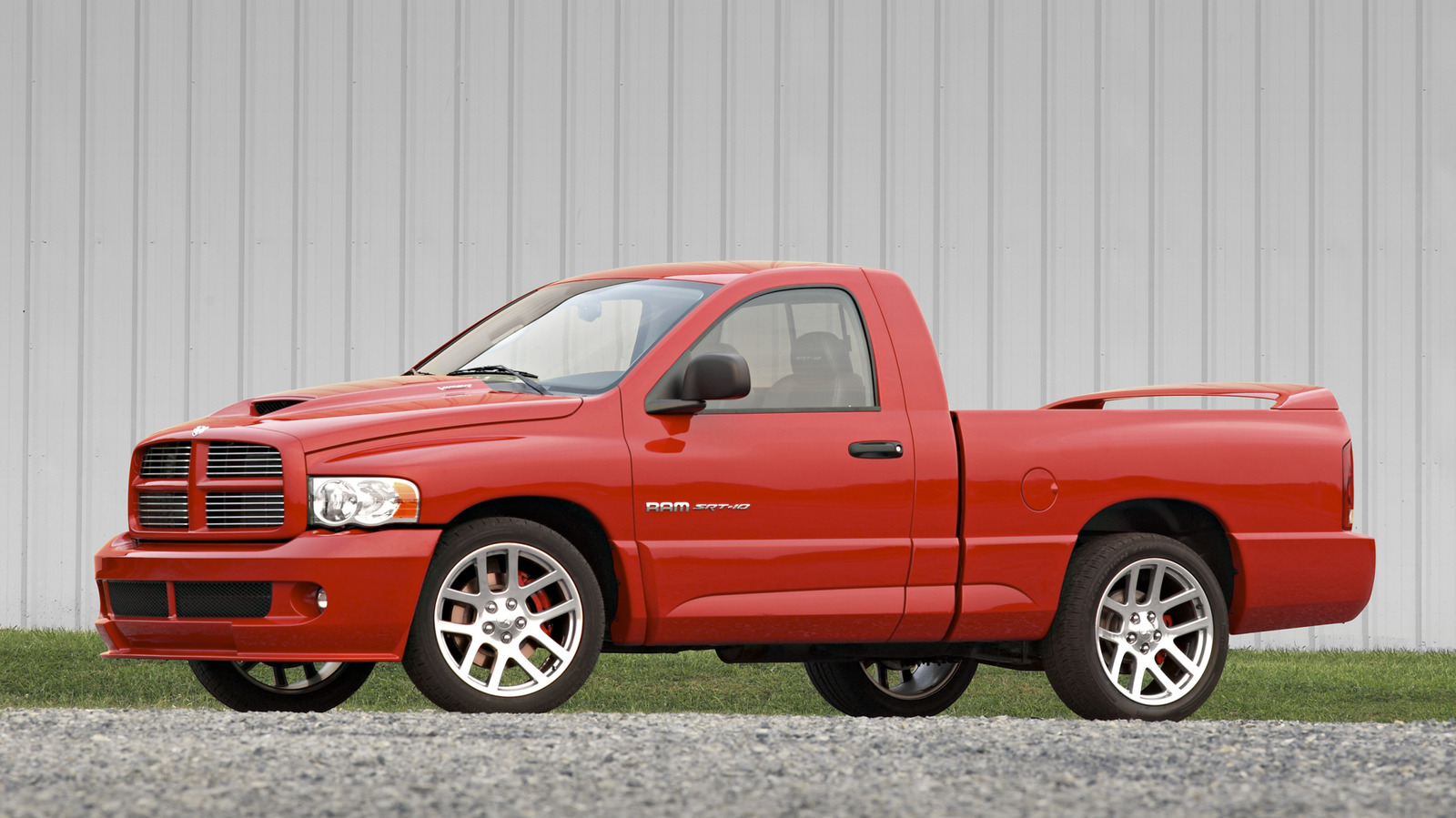
Electric trucks now dominate the quarter-mile, but gasoline-powered machines still own the outright speed record.
The physics explain the gap. Electric motors deliver maximum torque instantly. The GMC Sierra EV Denali and Chevrolet Silverado EV can accelerate harder off the line than any gas truck ever built. That instant power dominates acceleration contests where launches matter most.
Top speed tells a different story. Gas engines produce their peak power at high RPMs, then sustain it across a broad power band. Builders of the world's fastest trucks exploit this by stacking enormous displacement with tall final-drive ratios. A modified big-block Chevy or Ford can sustain extreme horsepower at speeds where EVs hit their electrical limits.
EV batteries face a thermodynamic ceiling. Motors can spin only so fast before magnetic forces and mechanical stress demand shutdown. Top speed requires sustained power delivery, something gas engines handle better at extreme velocities. A turbocharged or naturally aspirated big-block can push 200 mph. Most production EVs max out around 120 mph, and even heavily modified electric trucks struggle beyond 150 mph without serious engineering.
The fastest truck records belong to modified classics. These machines run vintage Chevrolet C10s or Ford F-100s powered by 600-plus cubic-inch engines making 2,000 horsepower. Purpose-built land-speed trucks have exceeded 600 mph using jet engines, but gasoline-powered machines still dominate the fastest-truck category.
This split reflects how EVs and gas engines handle different challenges. Instant torque wins quarter-mile races. Gas engines win sustained power contests. For truck buyers, this means EV pickups offer genuine performance advantages for towing and acceleration. Gasoline trucks remain the choice for enthusiasts chasing absolute top speed or building custom