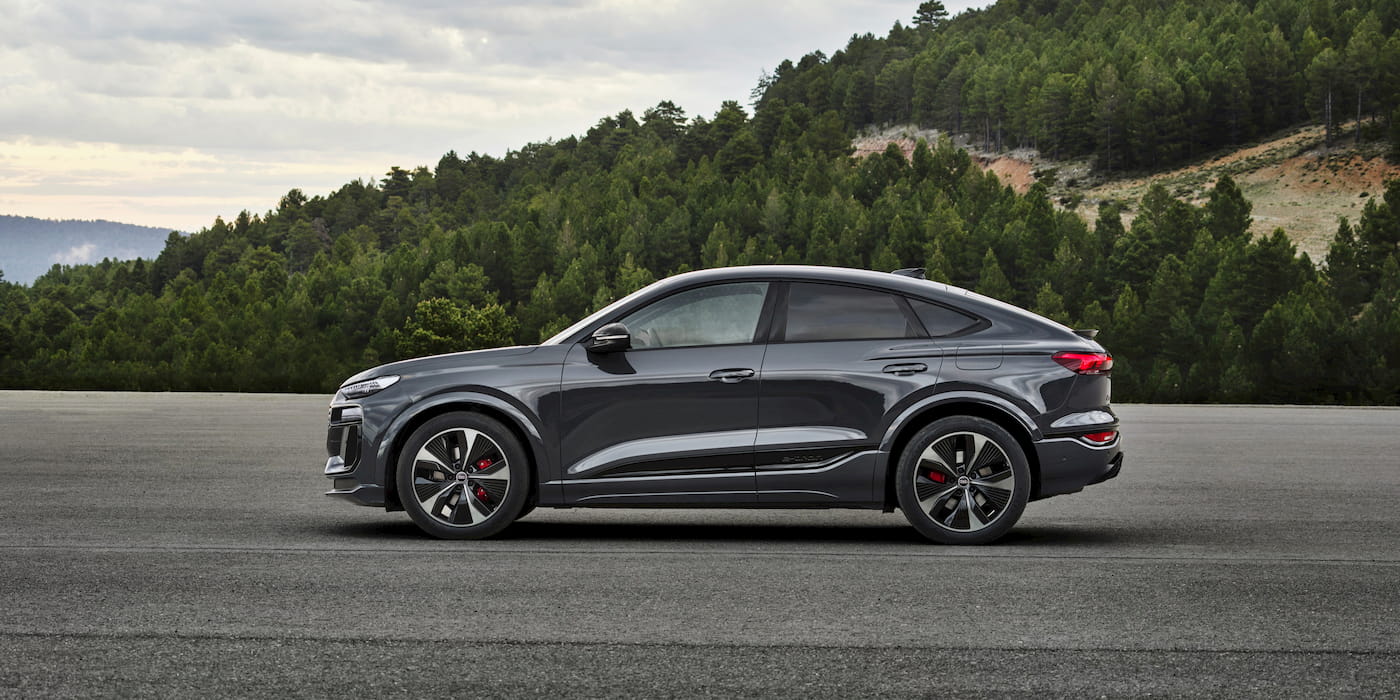
Volkswagen is cutting its electric vehicle lineup by as much as 50%, threatening to eliminate multiple models across its Volkswagen, Audi, and Porsche brands. The German automaker's aggressive portfolio reduction targets low-volume sellers and overlapping models as the company restructures operations and redirects investment toward higher-margin vehicles and core platforms.
The move reflects industry-wide pressure to consolidate EV offerings. Volkswagen Group has expanded rapidly into electrification but now faces slowing EV adoption in key markets, rising competition from Tesla and Chinese manufacturers, and mounting losses. By trimming the lineup, VW aims to reduce manufacturing complexity, lower per-unit production costs, and focus engineering resources on fewer platforms that promise better returns.
Several nameplates face elimination, though Volkswagen has not yet disclosed which specific models will be culled. Given the breadth of the Volkswagen, Audi, and Porsche EV portfolios, consolidation likely targets entry-level vehicles with modest sales figures. Audi's smaller EV crossovers and Porsche's niche electric models represent likely candidates, as do redundant Volkswagen passenger car offerings that compete with internal Audi products.
The timing is critical. Volkswagen Group reported substantial operating losses in recent years as EV production scales but profitability lags. The company faces pressure from investors to improve margins and from regulators to meet fleet electrification mandates. A streamlined lineup allows faster adaptation to market demand while reducing the cash burn associated with underperforming nameplates.
For consumers, the cuts mean certain EV options will vanish from dealer lots within the next two to three years. Interested buyers of potentially affected models should act soon or pivot to surviving alternatives within the group's remaining EV portfolio.
This restructuring underscores a harder truth in the EV transition. Not