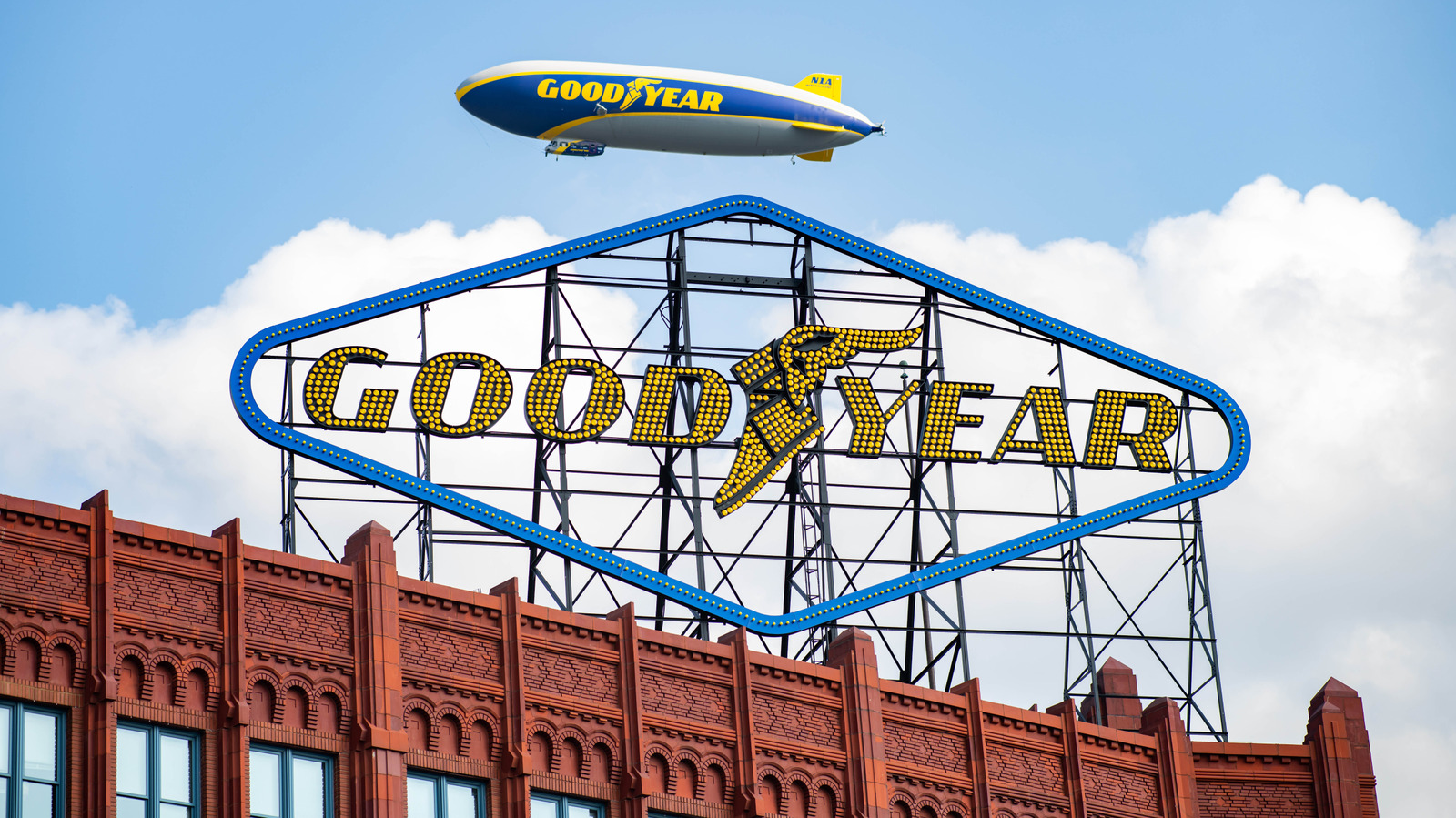
Goodyear retired its iconic blimp fleet in favor of modern airships known as zeppelins, marking the end of an era that lasted over a century. The company operated blimps since the 1920s, but those semi-rigid aircraft filled with helium required constant ground crew support and offered limited operational flexibility.
Zeppelins differ fundamentally from blimps. While blimps rely on internal gas pressure to maintain their shape, zeppelins use an internal rigid framework. This structural advantage allows zeppelins to carry heavier loads, operate in varied weather conditions, and require less ground infrastructure. Goodyear's new zeppelins can fly higher, faster, and with greater payload capacity than the previous generation blimps.
The switch reflects broader industry trends toward modernization and efficiency. Goodyear's newer airships feature advanced avionics, improved safety systems, and reduced operating costs. The rigid structure eliminates the need for extensive mooring masts and ground personnel during flights, a significant operational advantage for a company operating aircraft at major sporting events and public gatherings.
Marketing considerations factored into the decision as well. While "Goodyear blimp" became a household name through decades of television coverage and brand association, the company recognized that newer technology could deliver better performance and reliability. The zeppelins maintain brand visibility while representing innovation and forward-thinking engineering.
Goodyear currently operates three Zeppelin NT airships in North America. These German-made aircraft incorporate modern composite materials, electric propulsion systems, and sophisticated camera equipment for broadcasting. The transition began in 2014 and completed the shift away from traditional blimps by the early 2020s.
The iconic status of the Goodyear blimp in American pop culture remains intact, even if the actual aircraft are technically zeppelins now.