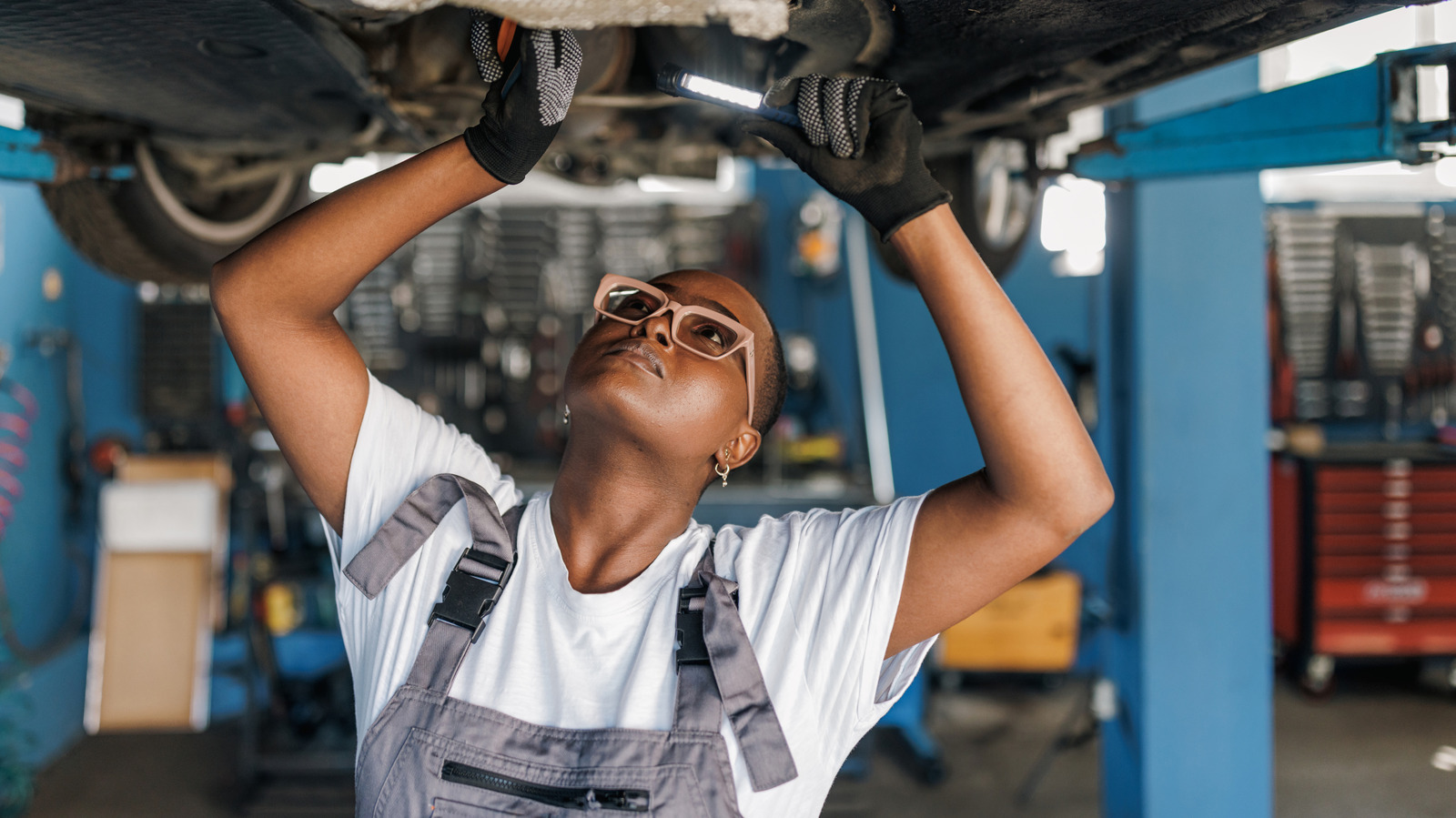
Independent repair shops face a widening technology gap that threatens their survival. Modern vehicles demand expensive diagnostic equipment and specialized software that smaller operators cannot afford, while dealerships hoard proprietary repair information and parts availability remains unpredictable.
A 2024 mechanic shortage has intensified pressure on independent garages. Shops struggle to hire trained technicians willing to master evolving vehicle systems, from hybrid powertrains to complex electrical architectures. Training costs money, yet competition from dealerships offering higher wages depletes the talent pool. Technicians must now understand software diagnostics, not just wrench work.
Dealerships control access to critical repair data through manufacturer subscriptions and encrypted systems. Independent shops cobble together third-party diagnostic tools like Bosch or Snap-on equipment, but these cannot always fully interface with newer vehicles' computer networks. Ford, General Motors, and Stellantis vehicles present unique roadblocks. Tesla owners face near-complete dependence on the manufacturer for service.
Supply chain volatility compounds the problem. Parts shortages delay repairs for weeks, frustrating customers and killing shop productivity. Dealerships receive priority allocation, widening their service advantage. Smaller shops lose jobs to waitlists.
The result damages consumer choice. Drivers in rural areas or those seeking affordable repairs increasingly have no alternative to expensive dealership service. Warranty requirements push owners toward manufacturers anyway. Without independent competition, service pricing rises unchecked.
Right to repair advocacy groups push legislation requiring manufacturers to share diagnostic data and sell parts to independent shops. Massachusetts passed a ballot measure supporting this. Federal action remains stalled, though the FTC has signaled interest. Mechanics themselves organize through groups like the Automotive Service Association, lobbying lawmakers for transparency.
The repair ecosystem consolidation mirrors broader industry trends. As vehicles become computerized, barriers to entry skyrocket. Manufacturers prefer controlling the entire ownership experience,