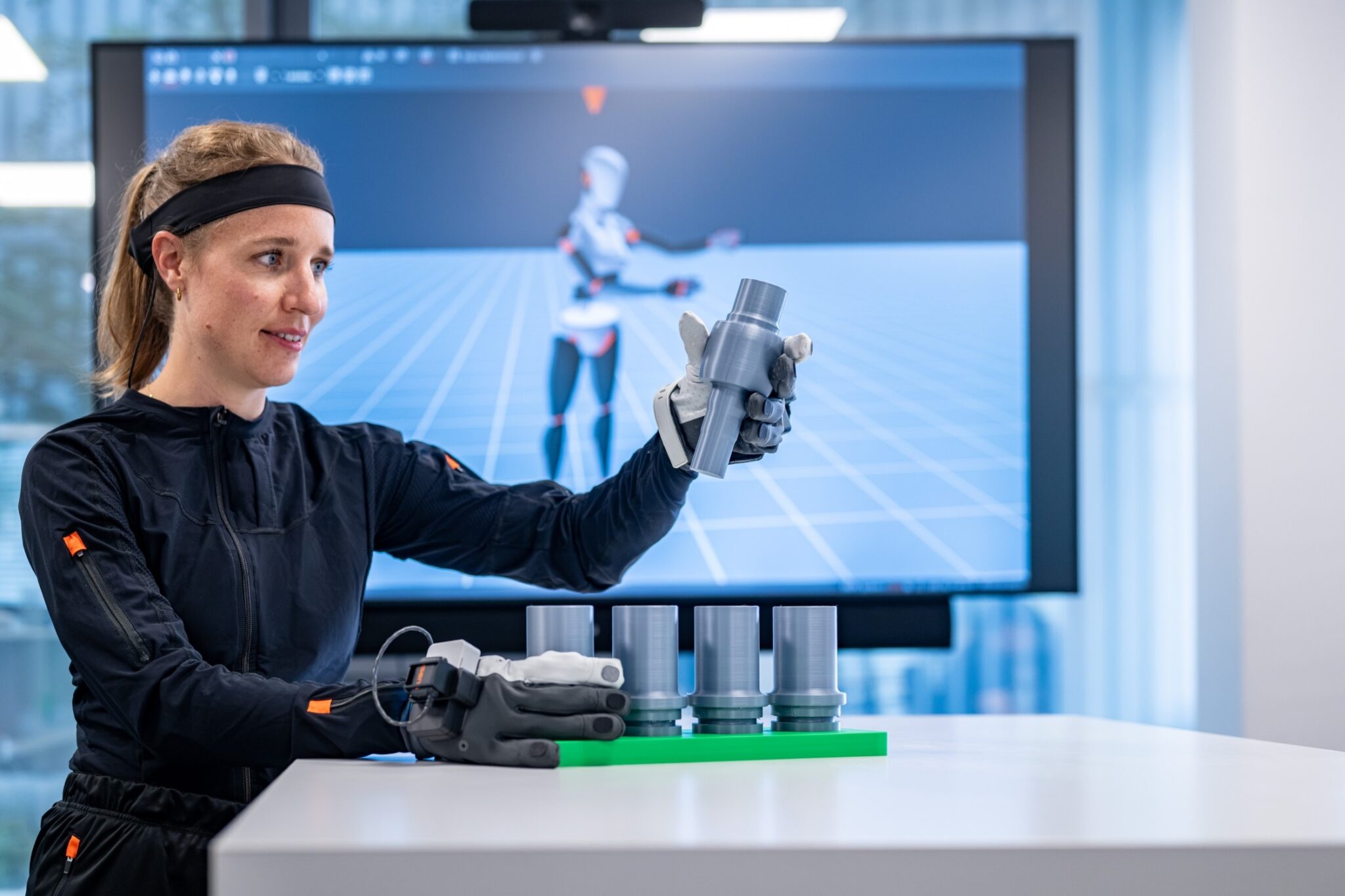
BMW Group is consolidating its artificial intelligence and robotics software development at its Landshut facility in Bavaria, moving beyond experimental pilots toward production-scale implementation. This operational restructuring reflects the automaker's commitment to automating manufacturing processes and reducing reliance on manual labor as costs and complexity rise across the industry.
Landshut becomes the hub for developing AI-driven robotics solutions that BMW will deploy across its global production network. The facility houses engineers and software specialists focused on machine learning algorithms, computer vision systems, and autonomous robotic arms designed for assembly line tasks. This centralization improves coordination between hardware and software teams while accelerating the development cycle for factory automation.
The move aligns with broader industry trends. Competitors including Volkswagen Group, Mercedes-Benz, and Tesla have invested heavily in manufacturing automation and AI-powered quality control. Rising labor costs in Western Europe, supply chain unpredictability, and the transition to electric vehicle production have made advanced robotics economically essential. BMW's decision to anchor this work at Landshut, rather than distributing it across multiple sites, suggests management confidence in scaling solutions quickly.
Landshut's elevation also reflects Germany's ambition to maintain manufacturing leadership against Asian competitors with lower labor costs. By concentrating expertise, BMW accelerates problem-solving and knowledge transfer. Engineers working on robotic arms for battery assembly can immediately share insights with teams handling body welding or paint application.
The strategy carries risk. Over-reliance on a single facility creates vulnerability if production or staffing disruptions occur. Competition from specialized robotics companies like ABB and FANUC means BMW must develop proprietary advantages in software to justify the investment.
For BMW's workforce, the shift signals ongoing transformation. While automation typically reduces manual assembly jobs, Landshut's expansion suggests the company expects to hire software engineers, roboticists, and maintenance technicians. The net effect