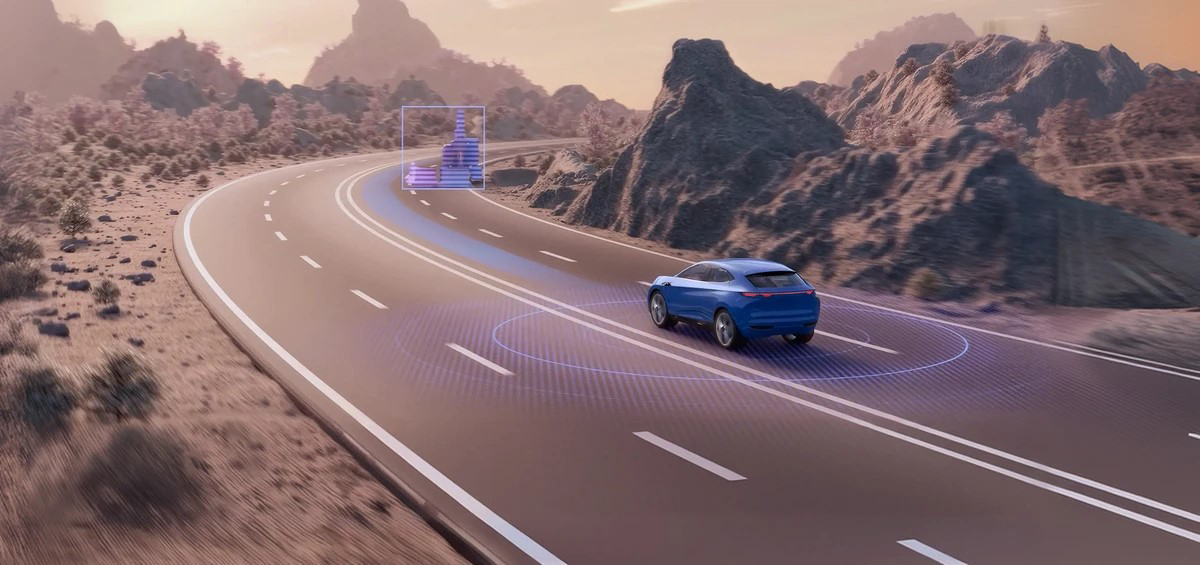
Stellantis will deploy Mobileye's REM technology to enable hands-free driving on unmarked roads across its vehicle lineup. The Israeli computer vision specialist's crowdsourced mapping approach represents a fundamental shift away from traditional LiDAR-dependent autonomous driving systems.
REM, which stands for Roads Explored and Mapped, builds high-definition road maps through data collected from existing vehicles rather than expensive sensor arrays. This crowdsourced model allows Mobileye to cover vast road networks cost-effectively, including rural and developing markets where infrastructure documentation is sparse. The system processes camera feeds from millions of vehicles to continuously update and refine road geometry, lane markings, and driving constraints.
Stellantis, the world's fourth largest automaker by volume, operates brands including Jeep, Ram, Chrysler, Peugeot, Fiat, Alfa Romeo, and Lancia. The partnership signals the company's commitment to delivering Level 3 autonomous capabilities without the price premium associated with lidar systems. Traditional lidar arrays can add 10,000 dollars or more to vehicle costs, creating barriers to mass-market adoption.
The crowdsourced approach challenges the technical establishment that has invested heavily in lidar infrastructure. Companies like Waymo and Cruise built their autonomous fleets around multi-sensor architectures combining lidar, radar, and cameras. Mobileye argues that vision-based systems augmented with real-time, continuously updated mapping data from the vehicle fleet deliver comparable safety outcomes at significantly lower cost.
REM technology scales globally without requiring pre-existing map infrastructure. As more Stellantis vehicles join the network, coverage expands organically. This creates a network effect where each new vehicle improves the system for all others, contrasting sharply with traditional mapping operations requiring dedicated survey teams.
The deployment across Stellantis' diverse