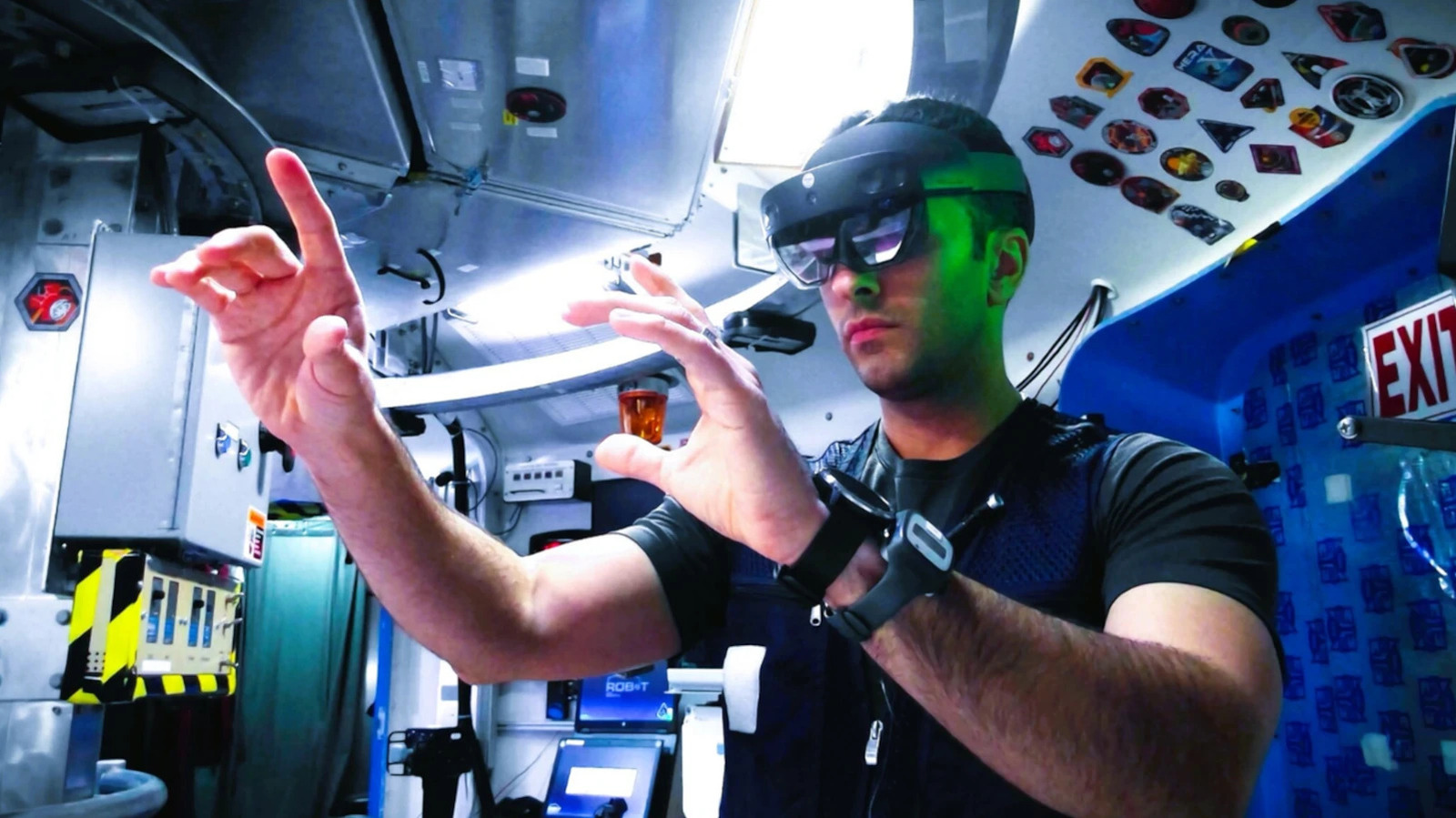
NASA is recruiting four crew members for the Moon and Mars Exploration Analog, a year-long simulated mission designed to replicate the psychological and operational demands of deep-space exploration. Two alternates will also be selected. The agency emphasizes that introversion is not a disqualification. In fact, personality diversity strengthens isolated crews tackling extreme environments.
The MMEA simulates conditions astronauts will face on actual lunar and Martian missions. Participants live in confined quarters, manage limited resources, execute complex tasks under pressure, and endure extended separation from Earth. NASA uses these analog missions to refine crew selection protocols, test operational procedures, and gather data on human performance during long-duration missions.
Previous analog missions revealed that crew composition matters enormously. Teams function better with complementary personalities and skill sets rather than homogeneous groups. Introverts often excel in focused technical work and maintain calm under duress. Extroverts typically drive group cohesion and communication. Mixed teams balance both strengths.
The selection process prioritizes psychological resilience, technical competency, and adaptability over personality type. Candidates must demonstrate problem-solving ability, teamwork capacity, and mental fortitude. Medical and psychological screening remains rigorous, but NASA no longer screens out qualified introverts.
This hiring approach reflects broader shifts in space agency thinking. SpaceX, Blue Origin, and other commercial spaceflight operators have also diversified their crew profiles. The space industry recognizes that isolation, not personality type, defines mission success. A crew's ability to communicate honestly, resolve conflicts, and maintain morale transcends introversion or extroversion.
NASA's MMEA represents the agency's commitment to evidence-based crew selection. By simulating real conditions and evaluating actual performance, NASA builds teams capable of reaching the Moon and Mars. The mission launches in 2025, with results informing NASA