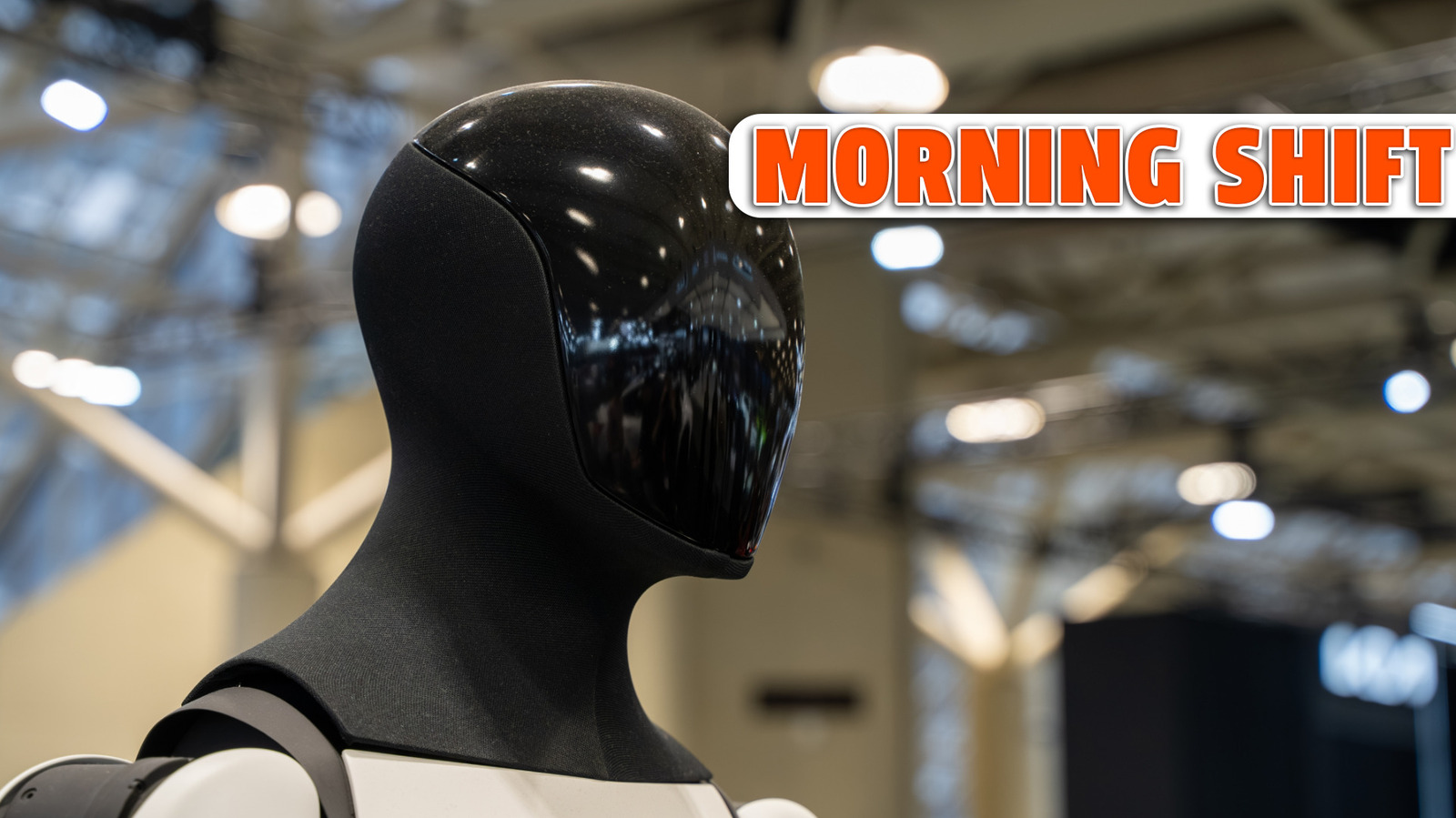
Tesla plans to increase artificial intelligence spending significantly, reversing its previous cost-cutting stance on AI development. The electric automaker has faced pressure to invest heavily in autonomous driving technology and machine learning infrastructure as competitors accelerate their own AI initiatives.
General Motors reported adjusted earnings estimates showing solid profitability despite ongoing supply chain headwinds. The Detroit automaker continues to balance EV transition costs with traditional vehicle profits, a critical metric for investors tracking the industry's shift toward electrification.
Honda announced new strategies for its Chinese market operations, where competition from domestic EV makers like BYD and NIO intensifies. The Japanese manufacturer faces declining market share in China and must prove its relevance against aggressive local competitors offering advanced technology at competitive prices.
Stellantis completed executive hiring moves as the automotive conglomerate restructures leadership across its sprawling portfolio of brands. The appointments signal the company's continued emphasis on autonomous vehicle development and software capabilities, areas where traditional automakers lag behind Tesla.
The hiring spree reflects a broader industry trend. Automakers now compete as aggressively for AI talent as they do for market share. Tesla's shift toward greater AI investment underscores how autonomous driving and software development have become central to corporate strategy rather than peripheral projects.
These developments reveal the industry's fractured approach to AI spending. Tesla accelerates investment while simultaneously demanding efficiency elsewhere. GM and Stellantis balance R&D with shareholder returns. Honda struggles with regional competitiveness. The common thread remains clear: automakers without credible AI capabilities and autonomous driving pathways face existential risk in the next decade.