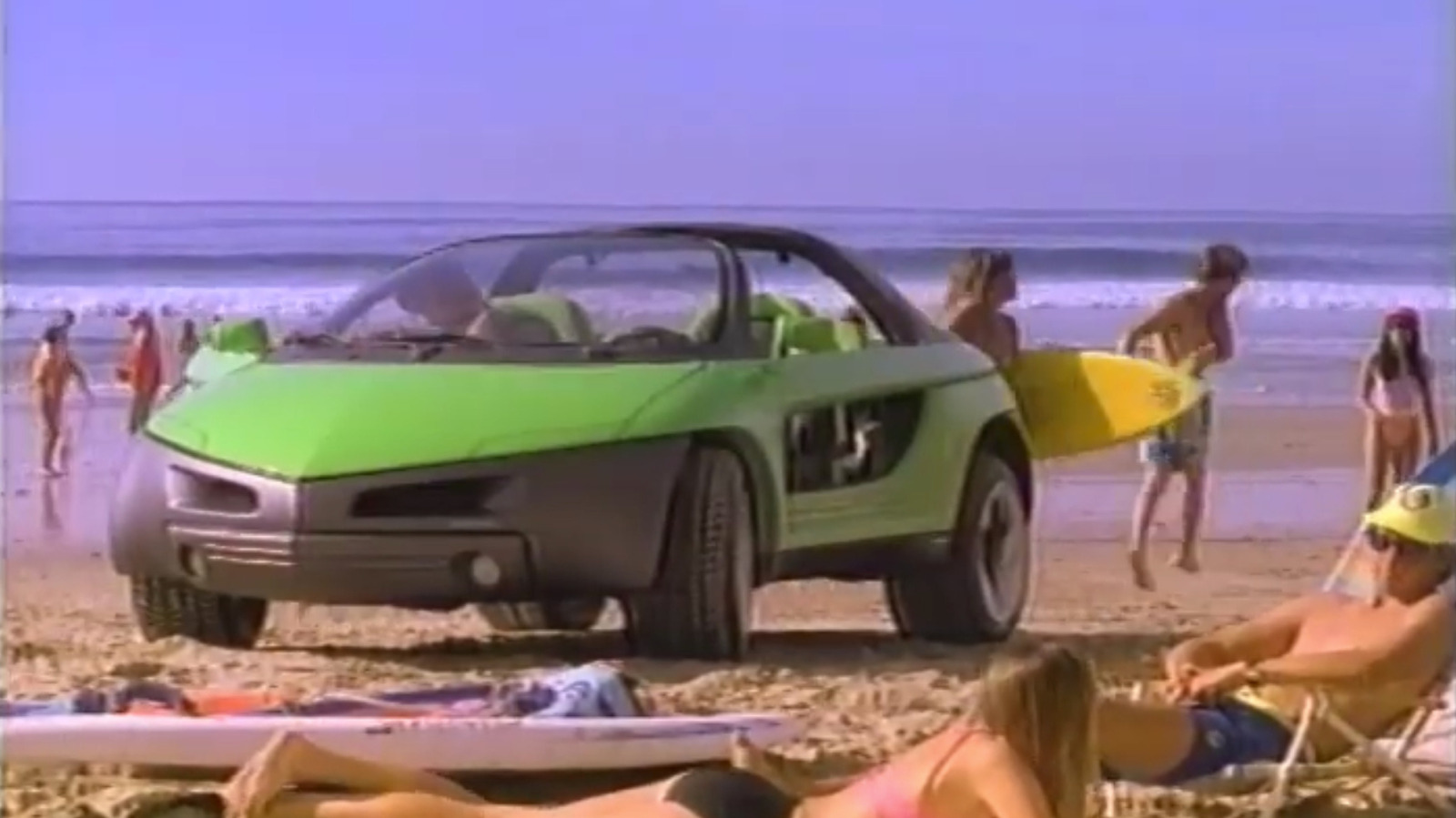
# Concept-to-Production Reality Check: Detroit's Design Letdowns
Detroit automakers have a chronic problem. They unveil concept cars that captivate audiences with bold design language, aggressive stance, and futuristic details. Then reality hits production.
General Motors, Stellantis, and Ford repeatedly stumble at this translation. The gap between what appears on a show stand and what rolls onto dealership lots frustrates buyers who fell for the concept's promise.
This pattern repeats across the industry. Designers create attention-grabbing renders with dramatic lines, custom wheels, and aggressive proportions. Engineers then face cost constraints, regulatory requirements, and manufacturing realities. Camouflage plastics appear. Proportions soften. Bold colors vanish. What arrives feels domesticated compared to the reveal.
GM's track record shows this clearly. Stellantis, born from the Fiat Chrysler and PSA merger, inherited concept-heavy showmanship from both parents without always delivering. Ford similarly struggles to bridge the gap between vision and execution.
The frustration runs deeper than aesthetics. Production vehicles lose distinctive character. They become safer, more conservative, more committee-designed. Cost-cutting affects material quality. Dimensions shift. Wheel sizes shrink. Height increases for packaging efficiency.
Buyers notice immediately. Enthusiasts feel betrayed. They purchased based on the concept's promise, not the production reality. This erosion of brand authenticity particularly stings when the concept explicitly targets enthusiast segments or premium positioning.
The solution requires manufacturers to commit design budgets upfront and respect concept integrity throughout engineering. Concept cars should represent achievable visions, not fantasy exercises. When designers, engineers, and finance departments collaborate from day one rather than after the reveal, production vehicles retain their conceptual spirit.
Detroit's Big Three have the scale and capability to close this gap.