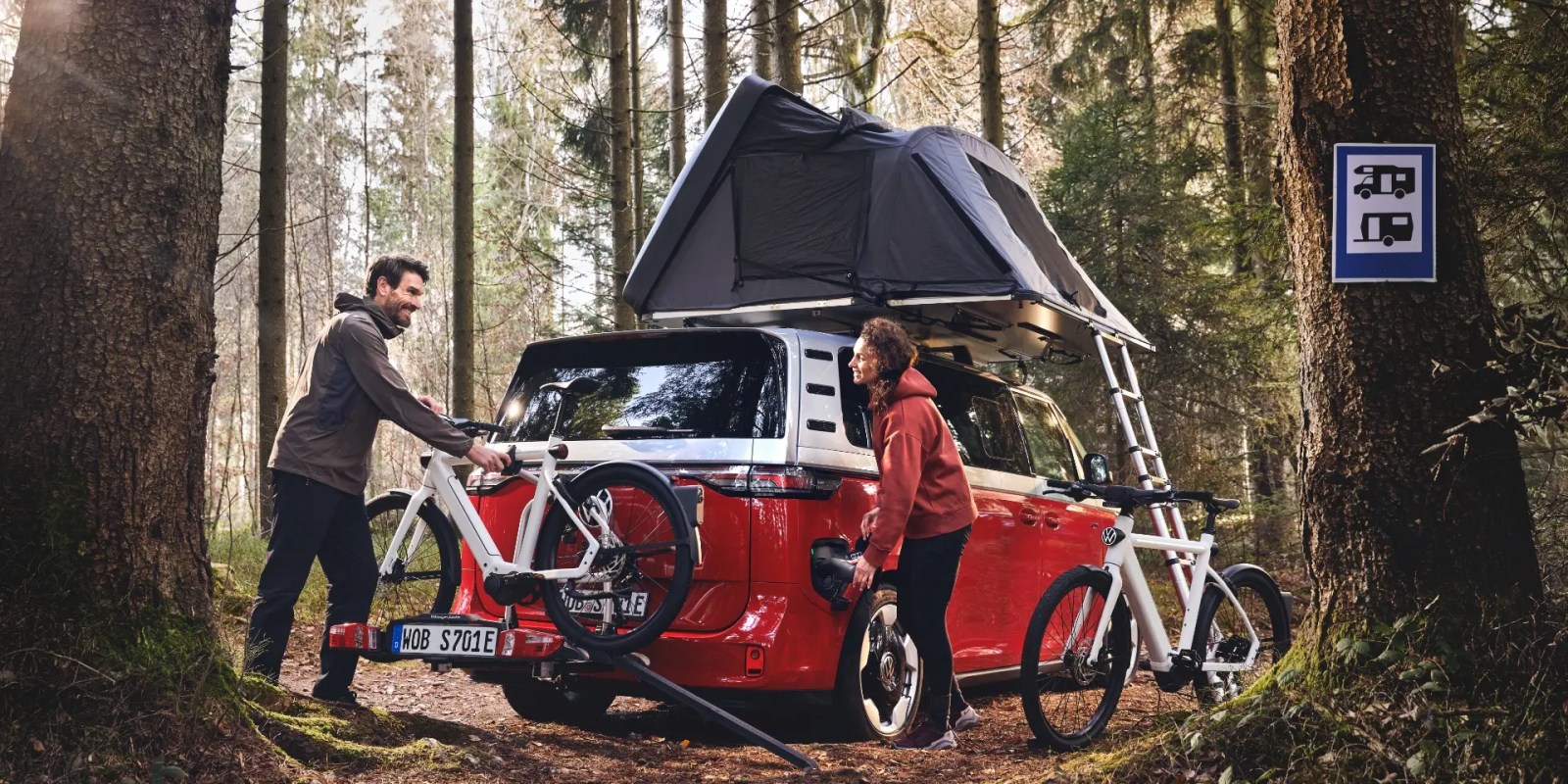
Volkswagen is bringing automotive-grade safety tech to e-bikes through a new partnership with manufacturer n+. The German automaker's new premium e-bike lineup integrates radar, cameras, and heads-up display (HUD) glasses—technologies rarely seen on bicycles outside of prototype experiments.
The approach reflects a clear strategic shift in the e-bike market. Rather than competing on motor power or battery capacity, Volkswagen is addressing rider safety through active collision avoidance, real-time hazard detection, and connected features. The HUD glasses display navigation and alerts directly in the rider's field of vision, eliminating the need to glance down at a phone or console.
Radar integration on e-bikes allows the systems to detect approaching vehicles and obstacles in real time. Cameras provide additional situational awareness, feeding data to the connected ecosystem. This mirrors technology Volkswagen has deployed across its car lineup for years, from the ID.4 to the ID. Buzz electric vans.
The move positions Volkswagen in a growing intersection between personal mobility and automotive technology. E-bike adoption continues surging in European cities, where congestion and parking constraints make two-wheeled transport practical. Major automakers—including BMW and Mercedes-Benz—already operate in this space, but most focus on basic electric drivetrains rather than comprehensive safety systems.
Licensing the designs to n+ allows Volkswagen to scale production without building dedicated e-bike manufacturing plants. This model echoes how traditional automakers approach adjacent markets, leveraging brand equity and technology while outsourcing execution.
For riders, the value proposition hinges on urban commuting safety rather than speed or range. Insurance companies may eventually offer premium discounts for e-bikes equipped with collision-avoidance systems, similar to car insurance incentives. That could drive adoption among commuters prioritizing accident prevention over raw performance.