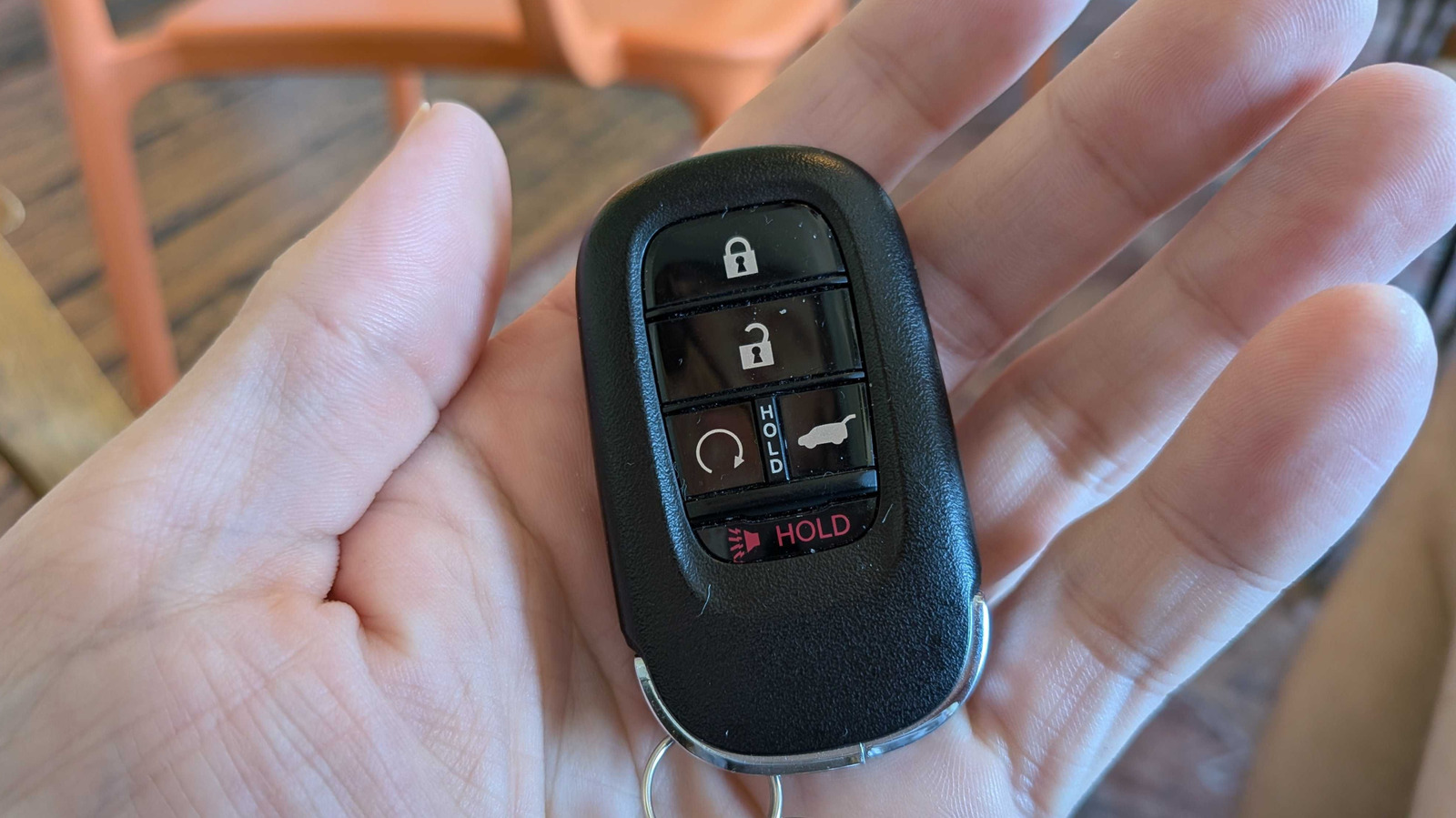
Remote start has transformed from a luxury gimmick into a practical daily necessity for millions of drivers. What began as a premium feature reserved for high-end vehicles now appears across mainstream brands and price points, fundamentally changing how owners interact with their cars.
The appeal is straightforward. On frigid mornings, remote start lets you warm the engine and cabin before stepping outside. In summer heat, pre-cooling saves you from sliding into a sauna. You avoid scraping ice or sitting in an idling car burning fuel. For parents managing kids and groceries, starting your vehicle remotely while locked inside saves precious seconds.
Automakers recognized this shift in buyer priorities. Ford integrates remote start into many F-150s and Escape models. GM bundles it across Chevy, GMC, and Cadillac lineups. Toyota and Honda offer it on mainstream sedans and crossovers. Smartphone apps now handle remote start alongside remote locking and climate control.
The technology itself is reliable and uncontroversial. Unlike autonomous driving or infotainment overhauls, remote start simply works. It requires no learning curve. It produces immediate, tangible benefit on day one. Owners don't debate its utility.
Manufacturers profit from this reality. Remote start often anchors subscription packages tied to connected car services. General Motors charges for its remote access features through OnStar. BMW and Mercedes-Benz bundle remote start within their smartphone integration ecosystems. These services generate recurring revenue while justifying higher prices.
Yet the real transformation is psychological. What owners once considered a "nice to have" became a genuine convenience they depend on. Once you experience not scraping frost or enduring heat, reverting to manual startup feels primitive. This explains why remote start now appears on vehicles starting under 25,000 dollars.
Future drivers entering the market have never owned vehicles without it. For them