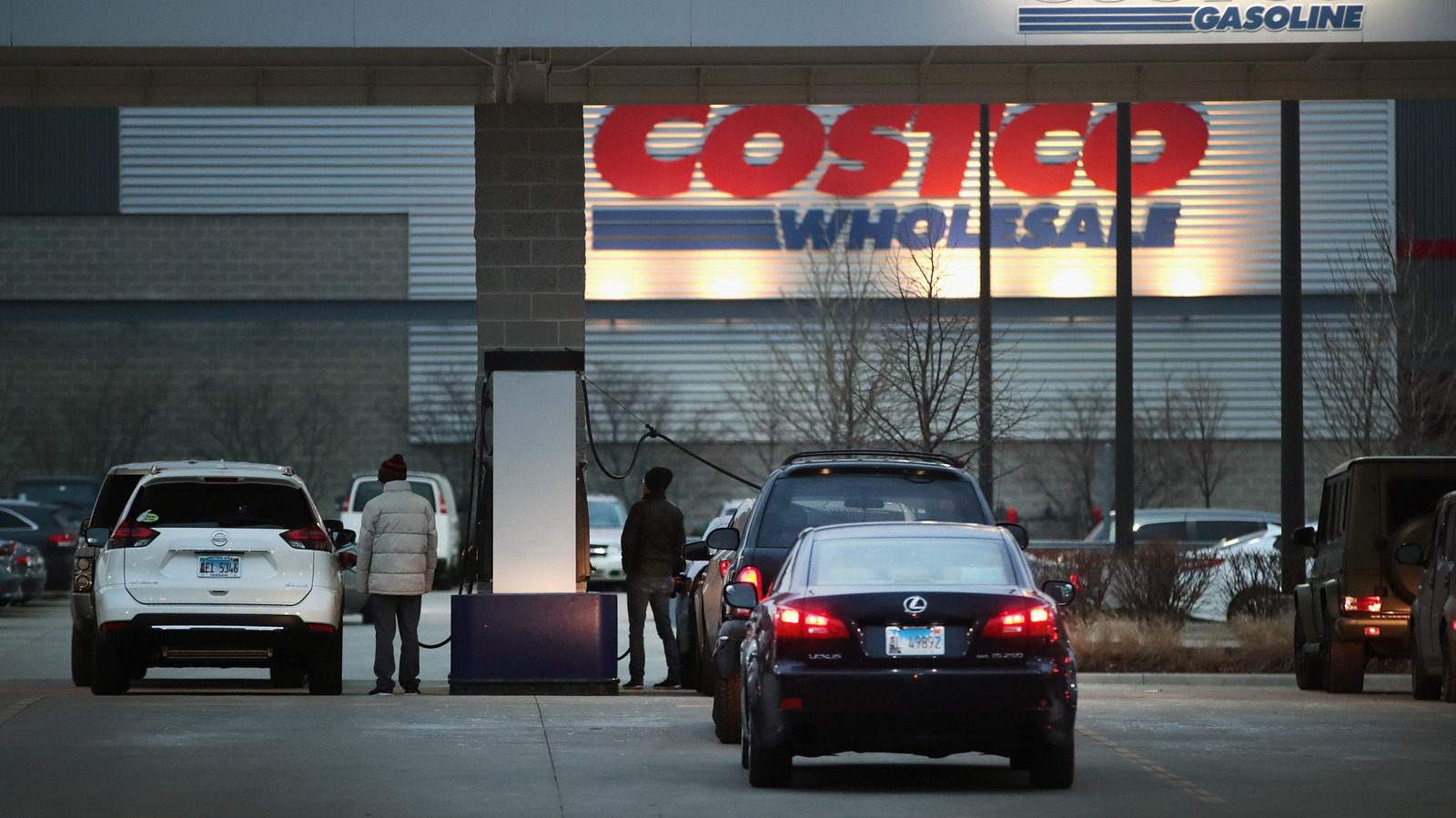
Energy analysts project the Strait of Hormuz will remain constrained until late 2027, with serious implications for automotive fuel costs. One-third of seaborne oil passes through this 21-mile waterway between Iran and Oman. A prolonged blockade would spike crude to $200 per barrel and pump prices to $7 per gallon.
Current geopolitical tensions in the Middle East have kept shipping lanes volatile. Houthi attacks on vessels, Iranian military posturing, and U.S. naval operations create unpredictability that buyers feel immediately at the pump. Analysts say this friction persists through the next three years.
For car buyers, $7 gas destroys purchasing power on any vehicle. Commuters shift toward EVs faster. Fleet operators recalculate fuel budgets. Automakers adjust production assumptions. Electrified powertrains become more competitive not because they improve, but because gasoline becomes unaffordable for average owners.
The timing matters. By 2027, EV production capacity will be substantially higher than today. Charging networks will expand. Battery costs will drop further. A sustained fuel crisis accelerates the existing transition already underway. Luxury marques like Tesla and Lucid benefit from wealthy buyers who can absorb premium EV prices. Mass-market EV programs from Ford, GM, and Volkswagen become viable alternatives for middle-income households facing $7 fills.
Automakers hedging their bets on internal combustion hold real risk. A $200 crude environment kills SUV and truck demand faster than regulation alone. Fleet electrification becomes urgent, not optional. Supply chains that depend on efficient fuel pricing need reshuffling.
Energy traders price oil futures on Hormuz uncertainty. That uncertainty flows directly into dealer inventory planning and consumer confidence. Until 2027 resolution arrives, buyers expect volat