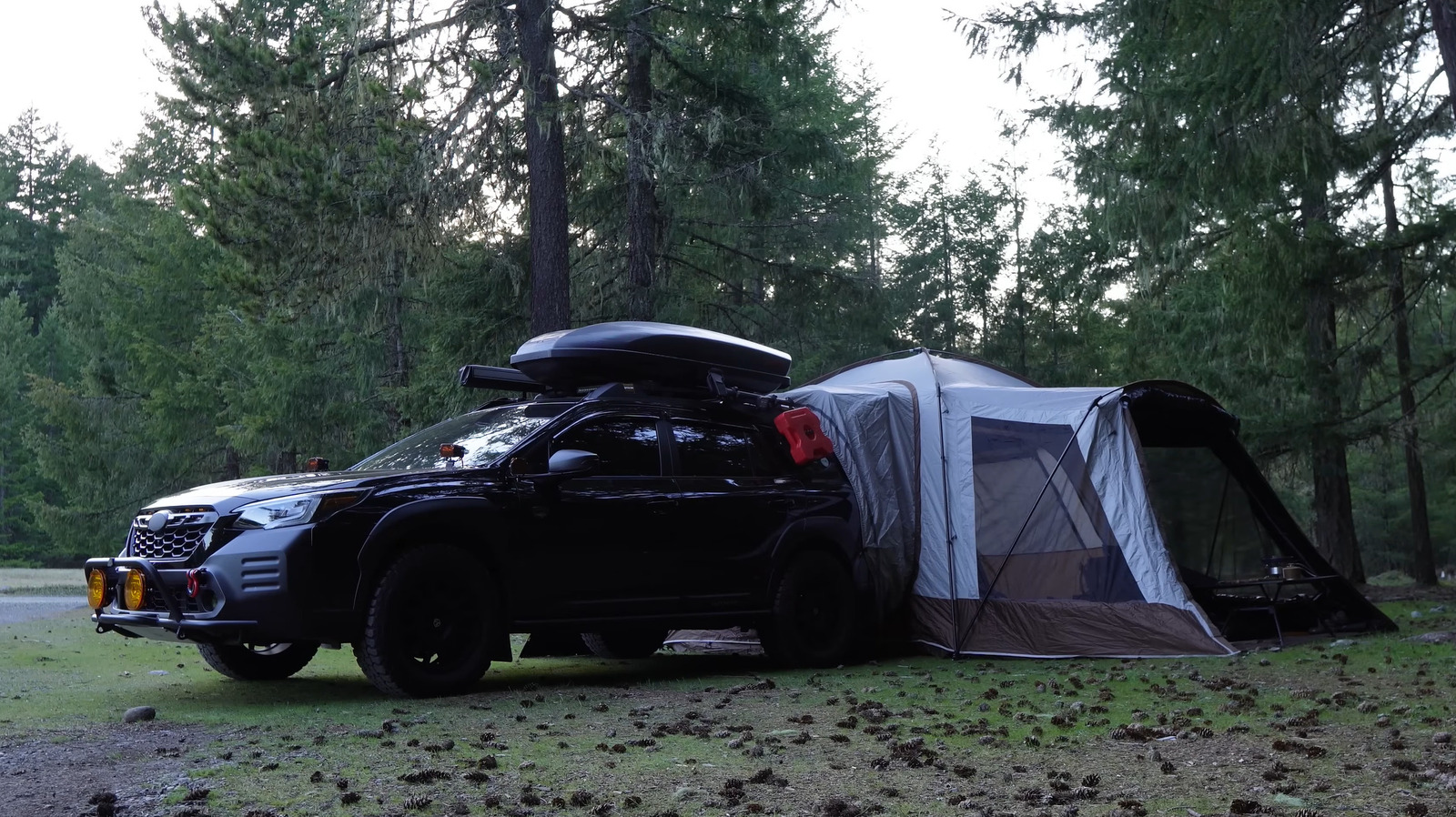
Building a functional camper from a regular vehicle doesn't require dropping six figures on a Mercedes Sprinter conversion. Budget-conscious outdoor enthusiasts can transform almost any van, minivan, SUV, or hatchback into a capable sleeping and storage platform with strategic upgrades.
The key lies in prioritizing essentials over luxury. A solid sleeping platform ranks first. Simple plywood frames with foam mattresses cost a fraction of custom builds, and they fit inside most vehicles. Ventilation comes next. Basic roof vents or portable fans prevent condensation and moisture damage without requiring expensive installations.
Storage solutions matter more than aesthetics. Modular plastic bins, wall-mounted organizers, and under-seat drawers maximize usable space in cramped quarters. Many DIY converters source these from hardware stores for pennies compared to bespoke cabinetry.
Power management separates the amateurs from functional builds. A modest lithium or AGM battery paired with solar panels handles phone charging and LED lighting without complex electrical work. Pre-made portable power stations eliminate wiring headaches entirely.
Insulation depends on your climate. Reflective foam board or basic fiberglass works for occasional use. Sprayers and adhesive-backed materials cost significantly less than factory systems.
The minivan angle deserves attention. Chrysler Pacifica models and Honda Odysseys offer surprising interior volume and factory heating. A sleeping platform, ventilation, and basic storage transform them into legitimate weekend rigs. Their fuel economy beats full-size vans.
Hatchbacks present tighter constraints but work for minimalist travelers. Subaru Outbacks and Hyundai Kona cross-overs offer roof rails and decent cargo space. Roof-mounted tents solve sleeping without interior clutter.
Smart used purchases matter too. Finding a well-maintained older van costs less upfront than