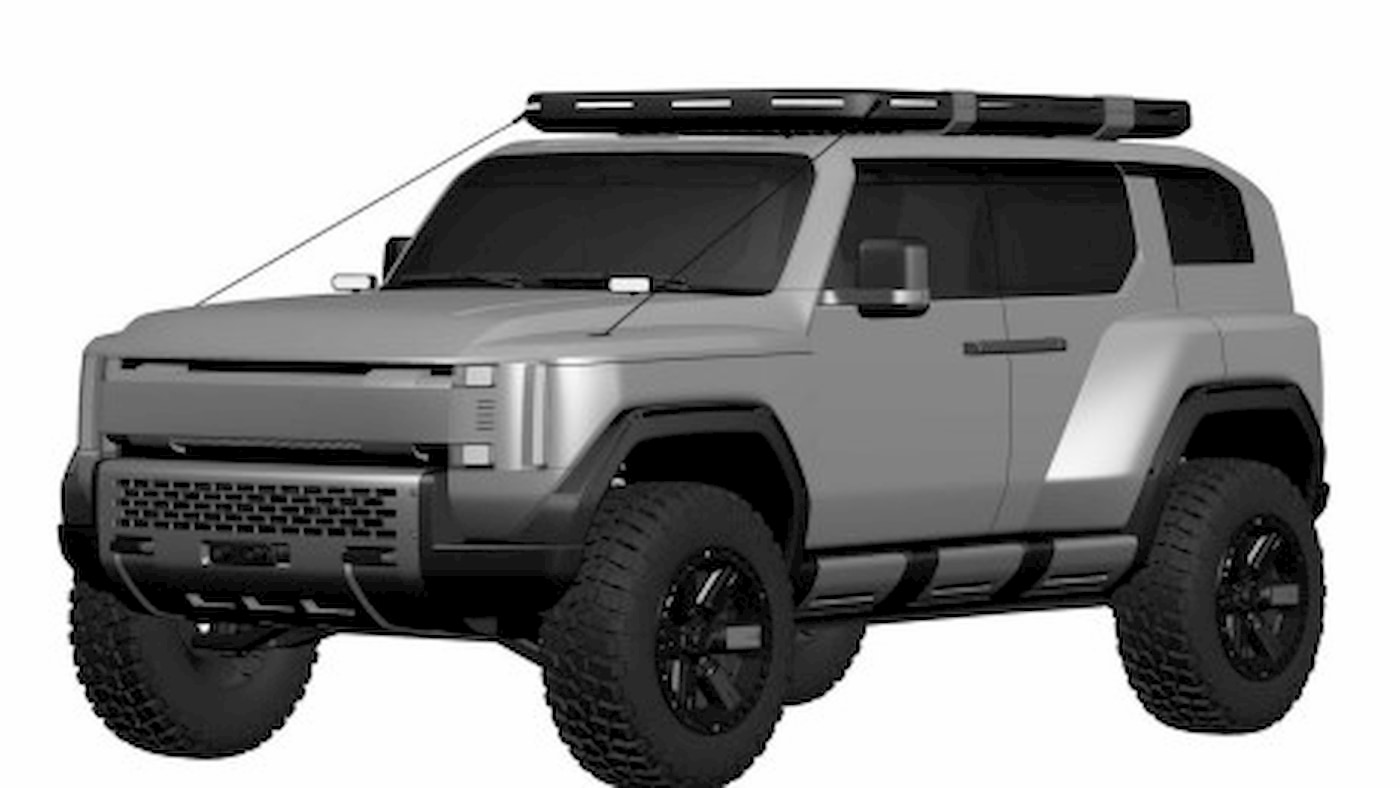
Hyundai has filed a design patent revealing details of an upcoming body-on-frame electric SUV positioned for off-road capability. The patent images show a boxy, utilitarian silhouette that departs from Hyundai's typical crossover styling, featuring squared-off bodywork and aggressive proportions suited for rough terrain.
This move signals Hyundai's intent to compete directly in the growing adventure EV segment currently dominated by Rivian's R1S and upcoming vehicles from traditional automakers like Ford and General Motors. Body-on-frame construction provides genuine off-road capability through separate ladder-frame design, independent suspension geometry, and higher ground clearance than unibody platforms. Such architecture also simplifies electric powertrain integration and battery packaging.
Hyundai's strategy here reflects broader industry momentum. Traditional truck and SUV buyers increasingly demand electrified options without sacrificing capability. The Hyundai and Genesis brands already field electric SUVs like the Ioniq 5 and GV60, but those target lifestyle buyers. An off-road focused EV opens a different market: families and adventurers who prioritize towing, payload capacity, and terrain performance.
The patent's design language suggests Hyundai will market this as utilitarian and honest, not pretentiously rugged. Squared fenders, minimal overhang, and substantial ground clearance indicate engineers prioritized function over fashion. This contrasts with Rivian's more contemporary approach and aligns with consumer feedback that serious off-roaders want purpose-built vehicles.
Timeline remains unclear. Hyundai typically files patents years before production launch, so this electric SUV likely arrives in the late 2026 or 2027 timeframe. Powertrain specs will prove critical. Expect dual motors for better traction and potentially 300+ miles of range given the