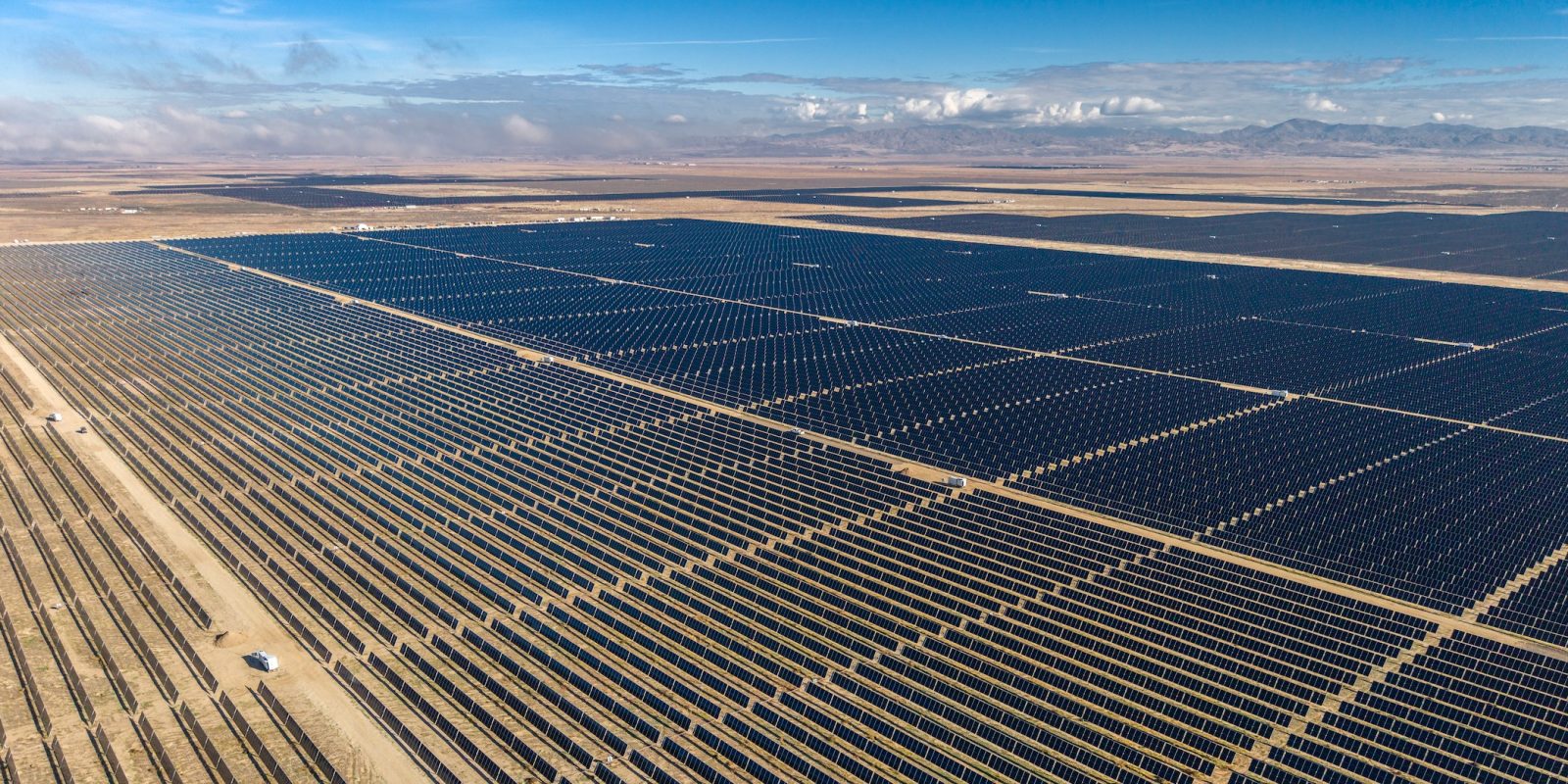
Idaho has activated a 125-megawatt solar farm and started construction on a facility exceeding 375 megawatts, marking the state's largest renewable energy expansion. The first facility now operates in Pleasant Valley, providing clean power to the regional grid. The second project, substantially larger, will triple Idaho's solar capacity once complete.
This deployment reflects a broader shift across the American West toward utility-scale solar. Idaho traditionally relied on hydropower, but population growth and rising electricity demand have forced the state to diversify its generation portfolio. Solar farms offer faster deployment than nuclear plants and lower operating costs than natural gas facilities.
The expansion carries competitive implications. Neighboring states like Utah and Nevada have already built massive solar installations, creating competitive pressure on Idaho's utilities to modernize their energy mix. Lower-cost solar electricity improves the region's economic competitiveness for data centers and manufacturing operations, which increasingly prioritize renewable-powered locations.
For consumers, the shift cuts both ways. Solar reduces long-term energy costs and carbon emissions. However, the transition requires grid upgrades and battery storage investments to handle intermittency, costs that utilities eventually pass to ratepayers. Idaho Power and other regional utilities face the familiar tension between rapid renewable deployment and infrastructure spending.
The Pleasant Valley facility and its successor address concrete needs. Idaho's population has grown 15 percent over the past decade, outpacing national average growth. Mining operations and semiconductor manufacturing have also expanded demand. Solar farms provide local jobs during construction and permanent positions for maintenance crews.
Interconnection timelines remain a bottleneck nationwide. Projects often wait years for grid connection approvals. Idaho's ability to rapidly complete these two facilities suggests the state has worked through permitting challenges faster than many competitors, though transmission constraints could still limit future growth.
The Pleasant Valley site is already producing power. Its larger successor will establish Idaho as a serious player in Western solar development, moving the