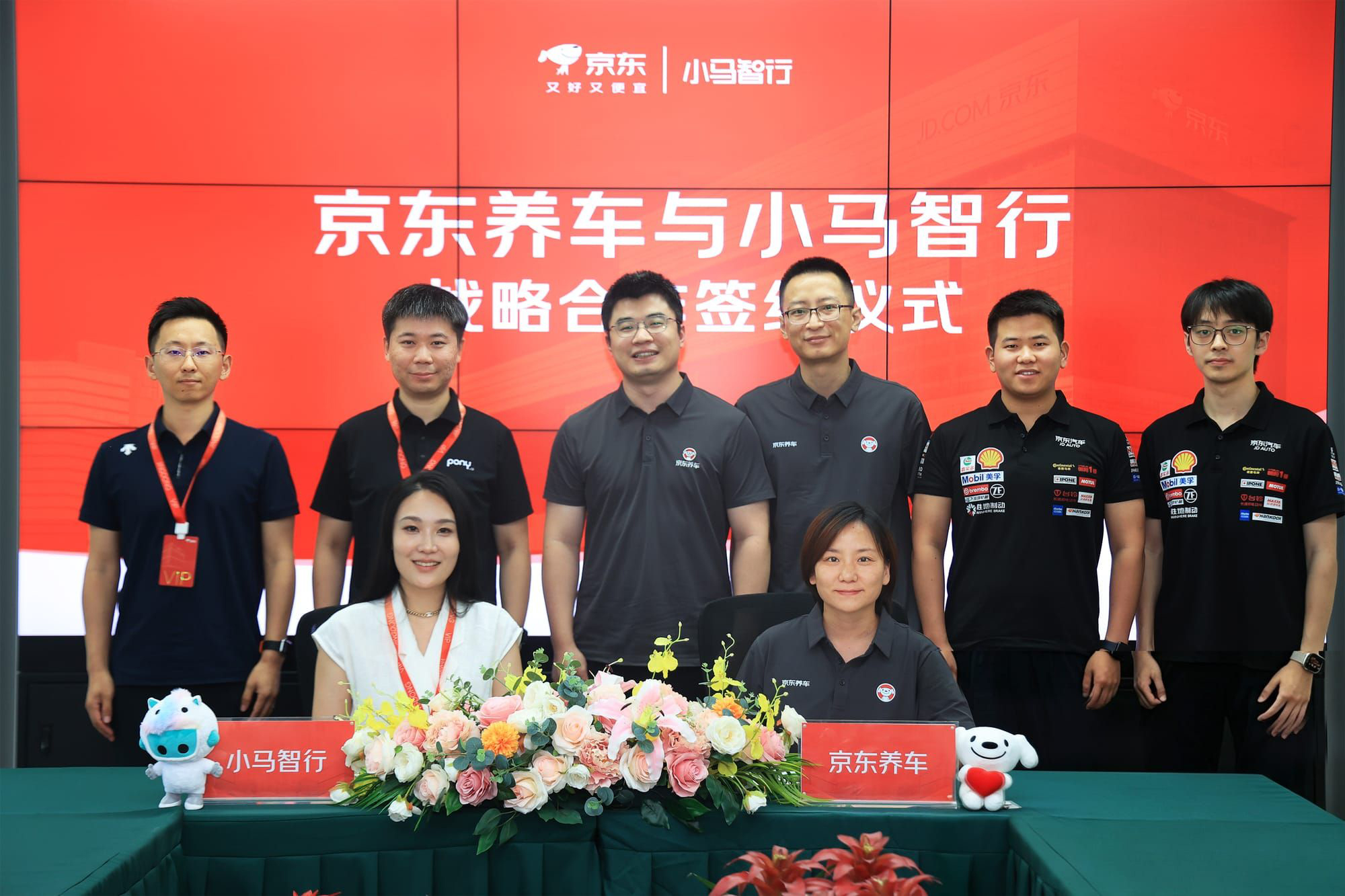
Pony.ai announced a partnership with JD.com's automotive service division to handle maintenance and repairs for its robotaxi fleet across China. The deal underscores a reality that autonomous vehicle operators often overlook: scaling robotaxis requires robust service infrastructure as much as it demands self-driving technology.
Pony.ai operates autonomous taxis in multiple Chinese cities and has raised billions in funding to expand operations. Like any fleet business, wear and tear on vehicles, battery degradation, sensor calibration, and component replacement demand reliable logistics and technical expertise. JD Auto Service brings exactly that. The e-commerce giant's automotive unit operates across China and handles everything from routine maintenance to major repairs.
This partnership reflects how robotaxi economics differ from consumer vehicles. A human-driven taxi might visit a service center occasionally. A robotaxi running 16 to 20 hours daily faces accelerated wear patterns. Tires, brakes, and suspensions degrade faster. Autonomous systems like lidar and cameras need regular cleaning and recalibration. Battery health monitoring becomes critical. Downtime costs money. Slow turnaround times reduce fleet utilization and revenue.
JD.com gains leverage in the autonomous vehicle space without building technology from scratch. Pony.ai secures a service partner with scale, geographic reach, and logistics capabilities. The arrangement also signals confidence in Pony.ai's path to profitability and commercial viability.
China's robotaxi race has intensified. Competitors including Baidu's Apollo Go, Didi's autonomous vehicles, and WeRide operate in similar markets. Each player grapples with the same challenge: moving from demonstration projects to sustainable operations. Service partnerships like this one separate serious operators from proof-of-concept startups.
The deal matters because it shows robotaxi companies understand their bottlenecks. Technology excellence gets