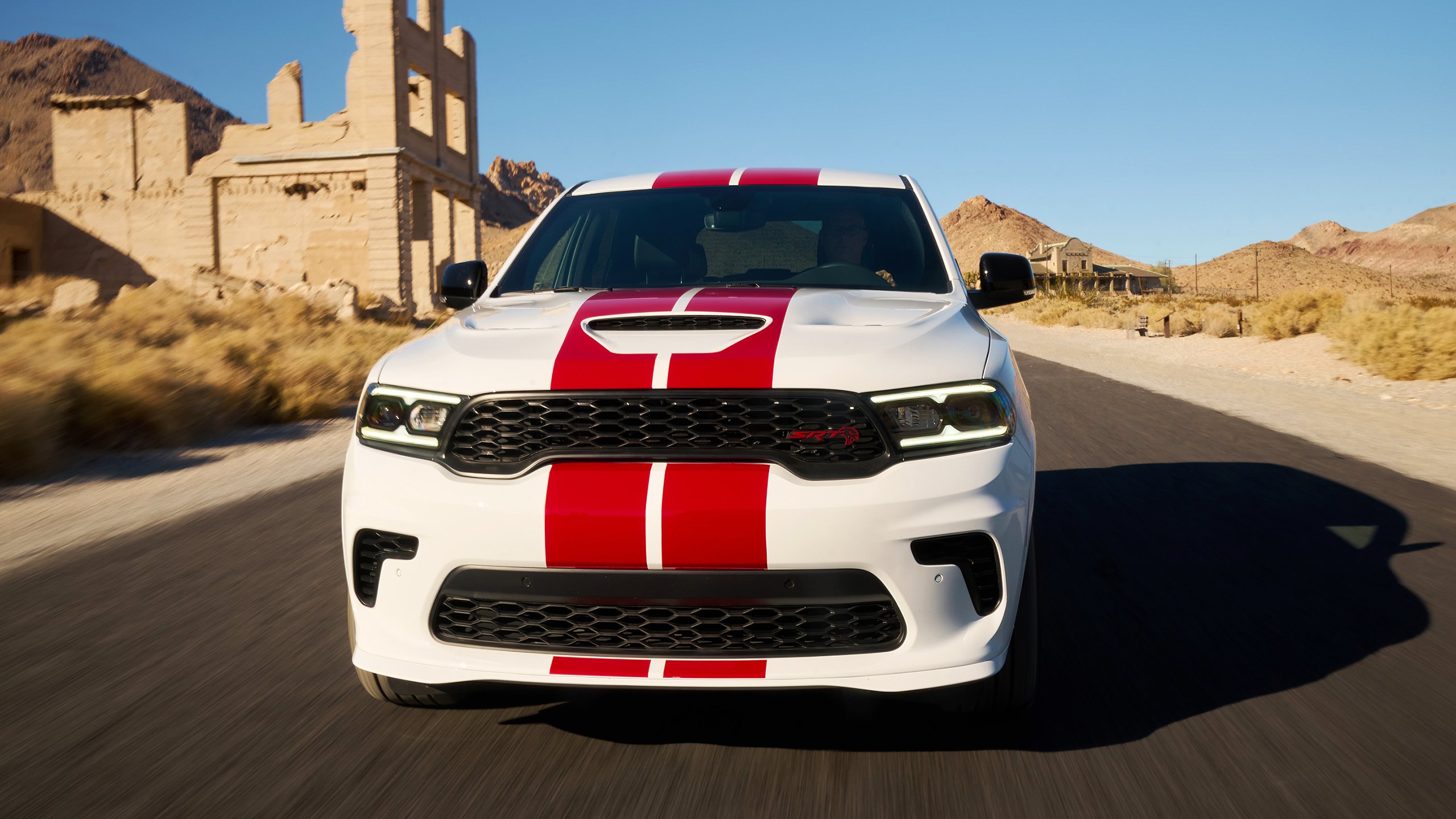
Dodge's third-generation Durango, introduced in 2011, posted its strongest first-half sales in two decades despite aging rapidly toward obsolescence. The three-row SUV benefited from a revitalized lineup strategy centered on two core selling points: aggressive pricing and V8 power.
The Durango competes in a crowded midsize SUV segment dominated by fresher competitors like the Honda Pilot, Toyota Highlander, and Kia Sorento. Those vehicles offer newer platforms, advanced infotainment systems, and hybrid options. Yet Dodge doubled down on what buyers still want from the brand. The automaker emphasized the 5.7-liter V8 engine across multiple trim levels, positioned the model as an affordable three-row alternative, and leveraged Dodge's performance heritage.
Sales momentum reflects broader market trends. Three-row SUVs remain popular with families and commercial buyers seeking practicality over cutting-edge technology. Dodge's pricing strategy undercuts competitors by thousands of dollars, making the Durango attractive to cost-conscious shoppers. The V8 availability also appeals to enthusiasts tired of turbocharged four-cylinder engines becoming standard across the segment.
The 15-year-old design shows its age inside and out. The cabin lacks the refinement of newer rivals, and exterior styling feels dated. Interior tech lags behind class standards. Yet these limitations apparently matter less than price and powertrain to the Durango's core audience.
Dodge faces pressure from parent company Stellantis to transition toward electrification. The Durango's resurgence buys time, but a next-generation redesign appears inevitable within the next few years. For now, the strategy works. Low pricing, V8 availability, and strong brand recognition keep the aging SUV competitive in a segment where many buyers prioritize horsepower