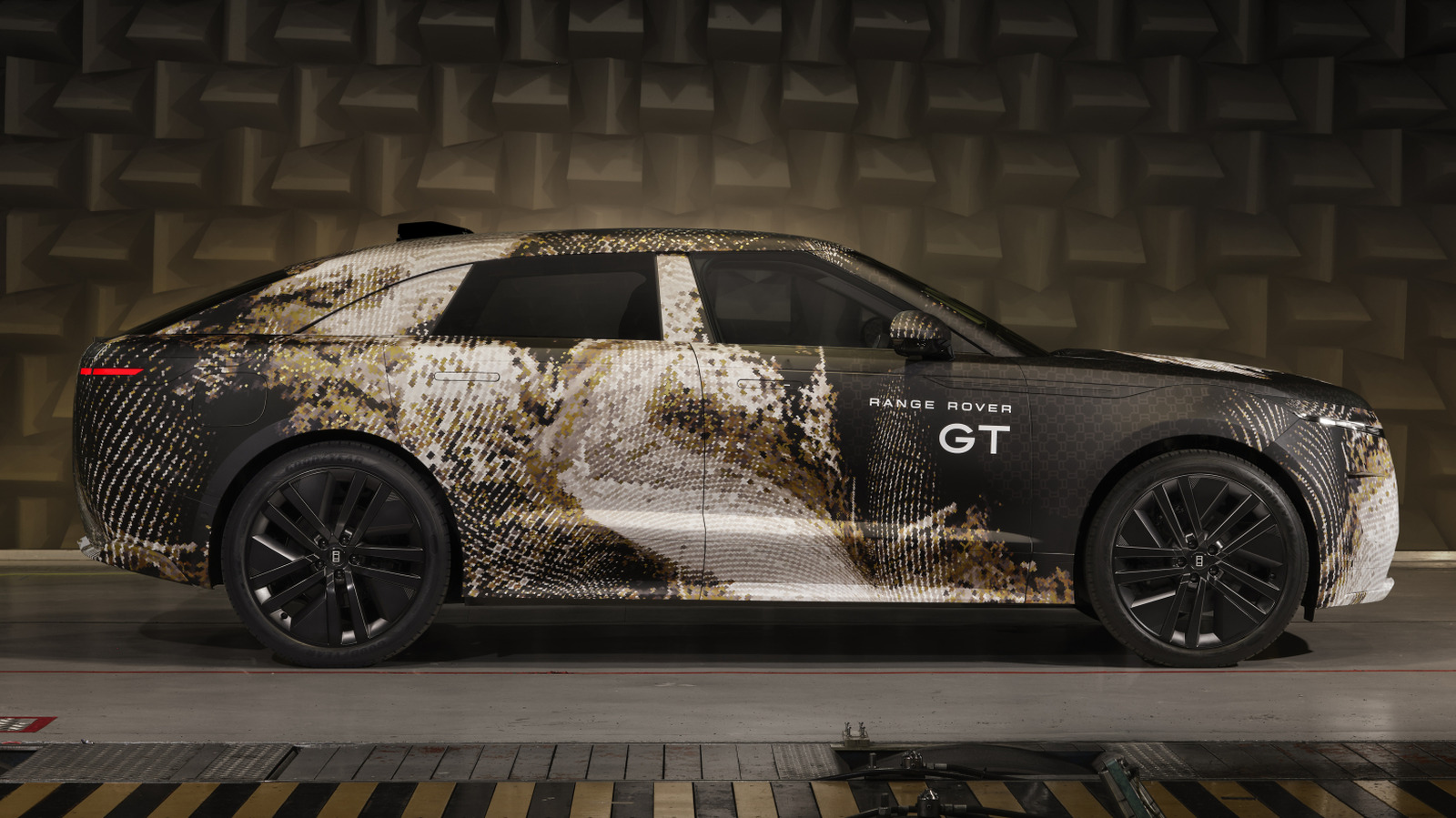
Land Rover confirms the Range Rover GT, a new electric crossover that stretches the boundaries of the SUV category. The GT targets buyers seeking a vehicle that blends sedan efficiency with SUV presence and coupe styling cues. It represents Range Rover's most aggressive push into road-focused performance while maintaining the brand's luxury positioning.
The GT trades traditional SUV proportions for a leaner silhouette. The design language leans heavily on aerodynamic efficiency, a necessity for battery-powered vehicles seeking extended range. The fastback roofline and tapered rear overhang signal an intent to capture buyers who find traditional SUVs too tall and ungainly but refuse to abandon ground clearance and commanding driving position.
Land Rover hasn't released powertrain specifics yet, but the GT slots into the company's expanding electric portfolio. The Range Rover Electric and Range Rover Sport Electric already serve the high-end EV market. The GT likely targets premium buyers willing to pay six figures for a vehicle that doesn't fit conventional categories.
The nomenclature raises questions. Calling it "GT" suggests grand touring capability, yet a crossover-coupe targeting primarily road duty abandons some off-road credentials that define the Range Rover nameplate. This gamble reflects broader industry dynamics. Luxury buyers increasingly prioritize on-road manners and efficiency over terrain-conquering ability. BMW's X7 and Mercedes-Benz GLS prove that tall sedans with premium interiors sell better than honest SUVs.
The GT arrives in an increasingly crowded segment. Porsche's Taycan Cross Turismo and BMW's iX M60 offer similar combinations of sport and utility. Each targets affluent drivers willing to sacrifice practicality for sophisticated styling and driver engagement.
Range Rover's decision to create the GT signals confidence in the EV transition.