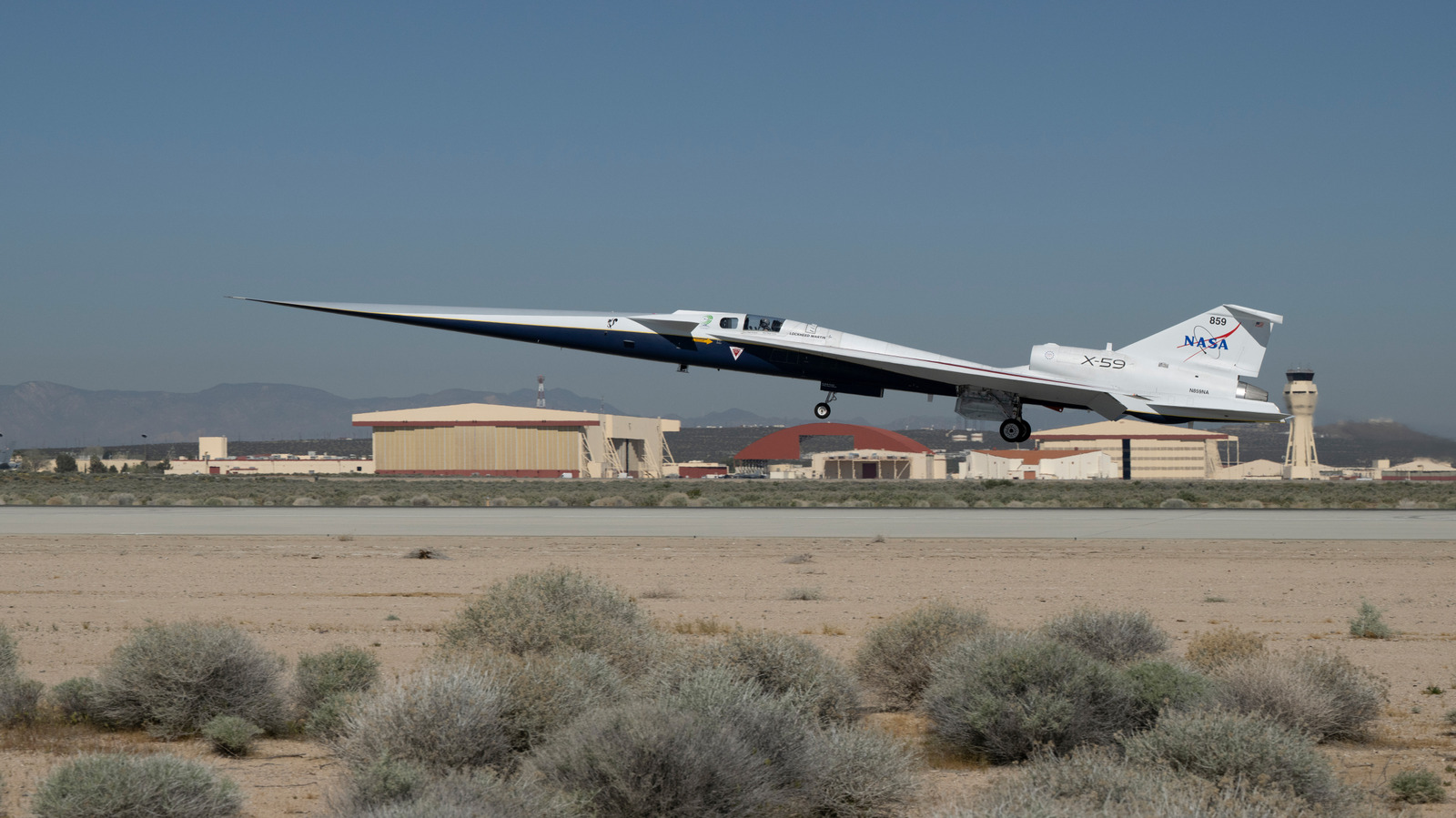
The Trump Administration is pushing for new noise regulations on supersonic aircraft by mid-2027, potentially clearing the path for commercial supersonic flight to resume after decades of restrictions. Current Federal Aviation Administration rules ban supersonic flight over land due to sonic boom noise concerns, effectively killing the market for high-speed commercial aviation since the Concorde's retirement in 2003.
Companies like Boom Supersonic and Aerion are developing next-generation supersonic jets designed to minimize sonic booms through advanced aerodynamics. These aircraft promise to reach speeds around Mach 1.7 while producing noise levels closer to conventional jet traffic. The regulatory timeline matters because manufacturers need certification certainty before investing billions in production.
The skepticism is warranted. Supersonic regulations involve competing interests: aerospace manufacturers want speed-to-market, communities near flight paths want quiet, and the FAA must balance safety with innovation. The mid-2027 deadline compresses what typically takes a decade of testing and public comment periods into three years.
Previous attempts to relax supersonic rules stalled over environmental and noise concerns. Establishing thresholds that satisfy urban planners, aviation advocates, and environmental groups remains contentious. Early data from Boom's XB-1 demonstrator and other platforms will inform whether noise reduction actually meets real-world standards, not just laboratory claims.
For the automotive world, this matters tangentially. Supply chain overlap exists between aerospace and automotive advanced materials, manufacturing processes, and engineering talent. Regulatory momentum in one sector influences others. A streamlined supersonic path could accelerate adoption of carbon-fiber composites, advanced cooling systems, and lightweight materials that eventually trickle down to high-performance vehicles.
The real question isn't whether sonic booms vanish by 2027. It's whether the Administration's timeline forces compromises that burden manufacturers later or anger communities stuck under flight corridors.