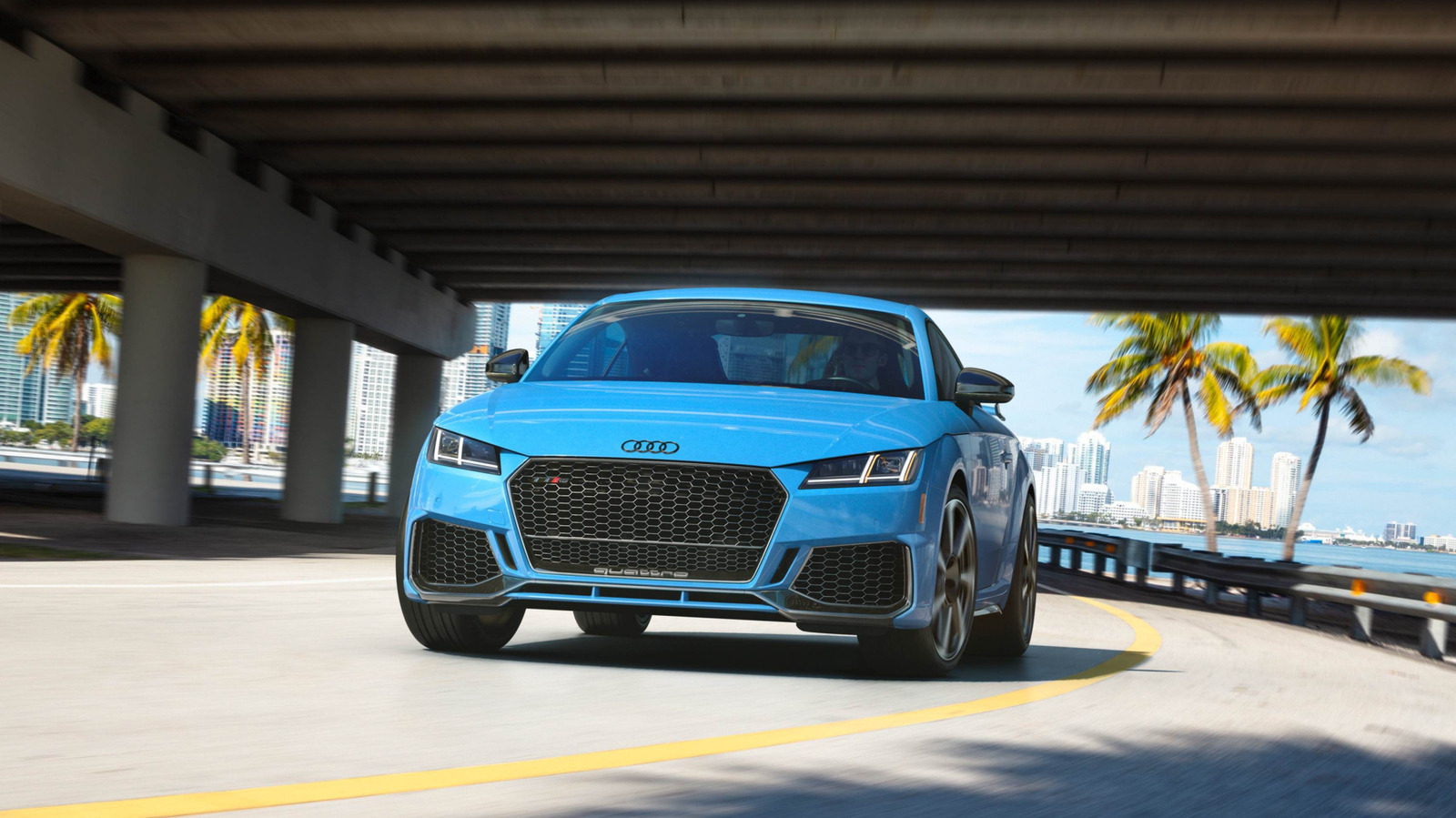
Purchasing a discontinued vehicle offers real financial advantages but carries distinct risks that buyers must weigh carefully.
The primary benefit is price. Dealerships eager to clear inventory of older model years often slash prices aggressively. A discontinued model from two or three years ago can cost thousands less than its current-generation replacement, making it an efficient way to maximize budget-to-capability. Buyers also gain access to proven reliability data. A model that's been on the road for several years has established track records in owner forums, reviews, and repair statistics. You know exactly what breaks and when.
Parts availability presents a double-edged sword. Popular discontinued models like the Honda Civic or Ford F-150 maintain robust aftermarket and OEM parts networks for years after production ends. Less popular vehicles become parts nightmares within months. Technicians struggle to source components, and repairs balloon in cost or become impossible. Warranty support evaporates immediately. Once a model exits production, manufacturer coverage typically ends, shifting all repair costs to the owner.
Resale value drops faster for discontinued models. Buyers naturally prefer current generations with updated technology, efficiency ratings, and safety features. A 2021 model that fell out of production has minimal demand compared to 2024 equivalents. That depreciation hits your wallet when you sell.
Technology gaps widen quickly. Discontinued vehicles lack the latest infotainment systems, driver-assistance features, and fuel efficiency improvements competitors introduced. What felt modern three years ago becomes dated. Safety ratings also matter. A discontinued sedan may have older crash-test results that don't reflect current regulatory standards or competitive improvements.
The smart play requires matching the model's popularity to your needs. Buy a discontinued Ford Ranger or Chevy Silverado and parts remain accessible for a decade. Purchase a discontinued Subaru Ascent or Volkswagen Tiguan and you face tighter constraints