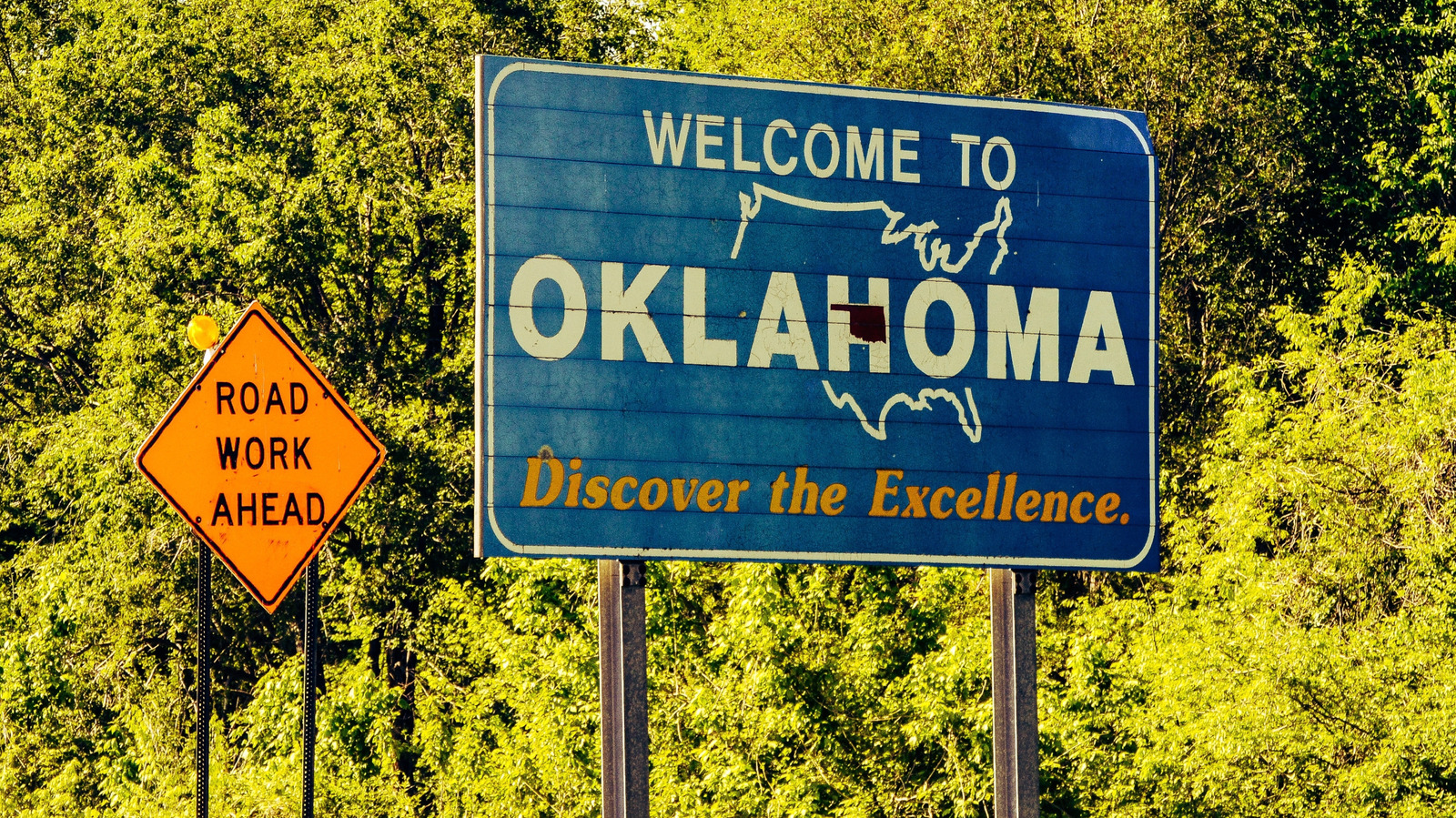
Oklahoma has begun posting "no tolerance" warnings on speed limit signs across the state, signaling a strict enforcement posture toward speeding violations. The state is making clear that exceeding posted limits will result in citations, with no leniency applied.
This approach differs from enforcement practices in many states, where officers traditionally grant small grace margins above the posted speed limit before issuing tickets. Police departments in various jurisdictions have long operated under informal thresholds, often allowing drivers to exceed limits by 5 to 10 mph without consequence. Oklahoma's explicit messaging eliminates that ambiguity.
The state's hard-line stance reflects broader traffic safety concerns. Speed remains a leading factor in fatal crashes, and enforcement strategies targeting it directly aim to reduce collision severity and deaths. Oklahoma joins a handful of other states tightening speed enforcement, though most still apply informal tolerances at officer discretion.
The practical impact affects all drivers using Oklahoma roads. A driver maintaining 35 mph in a 30 mph zone or 55 mph in a 50 mph zone now faces legitimate citation risk. This demands precision from motorists accustomed to conventional enforcement cultures in neighboring states.
The signage itself serves dual purposes. It warns drivers before they encounter enforcement and establishes legal justification for citations at or marginally above posted limits. Highway patrol and local police can cite violations without claiming the typical "reasonable speed" defense that sometimes emerges in traffic court disputes.
For commercial drivers and regular commuters crossing Oklahoma, the change requires behavioral adjustment. Navigation apps and cruise control settings need recalibration to match posted speeds exactly rather than the common practice of setting them 5 mph above limits.
Whether this enforcement strategy reduces crashes remains an empirical question. Some traffic safety research supports speed enforcement as effective, while other studies question whether strictly enforced limits without supporting infrastructure changes produce meaningful safety gains. Oklahoma's message is unmistakable