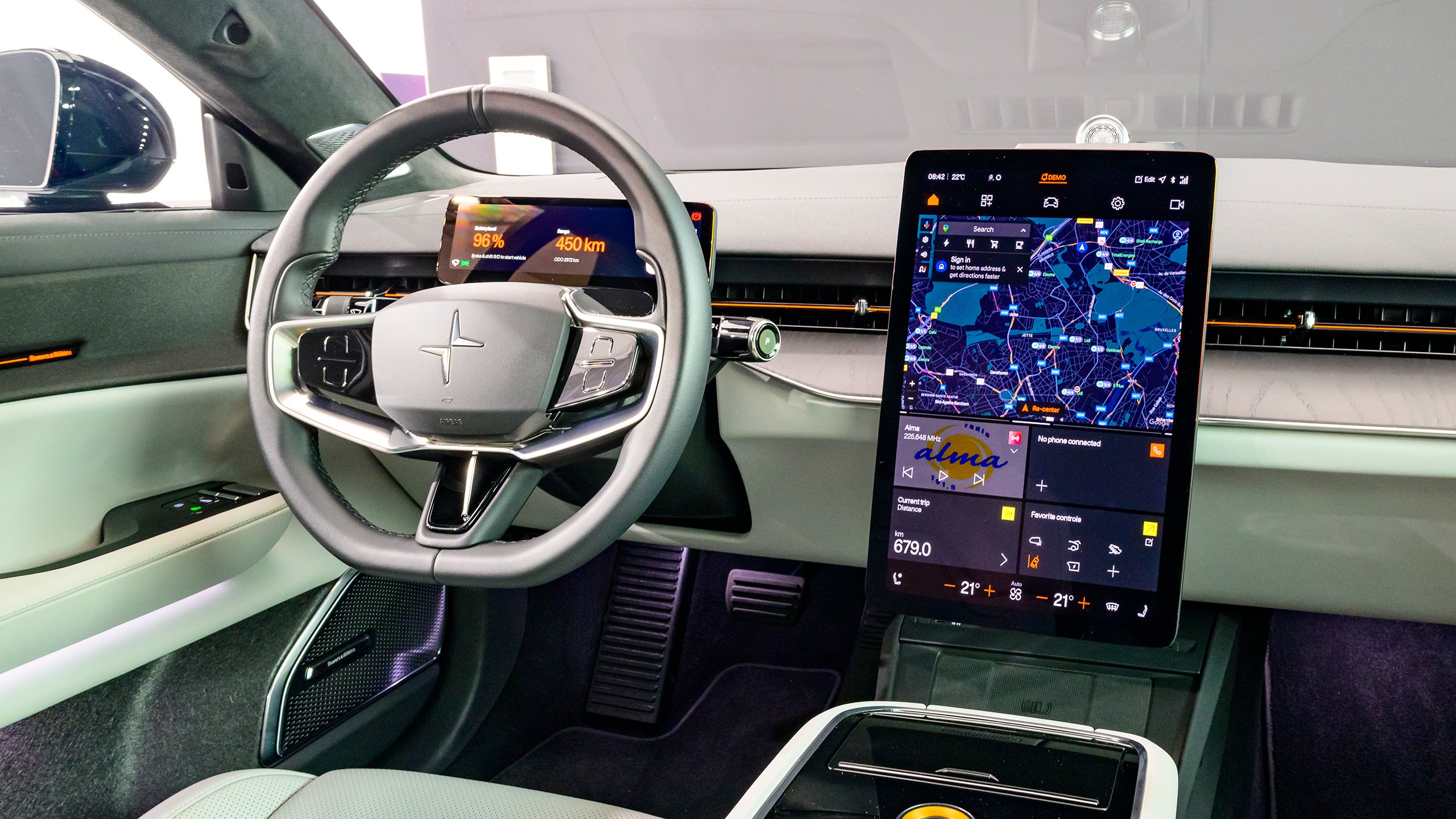
U.S. restrictions on Chinese automotive technology threaten to spike new vehicle prices as automakers scramble to replace affordable Chinese-made components with costlier domestic alternatives. A former Detroit executive revealed shock at the price gap, saying his "jaw dropped" when comparing equivalent advanced driver assistance systems (ADAS) sourced outside China versus Chinese suppliers.
The timing compounds an existing affordability crisis. New vehicle prices remain elevated compared to pre-pandemic levels, and average transaction prices for EVs and mainstream vehicles continue climbing. ADAS systems represent a growing cost factor as federal safety regulations push adoption of features like automatic emergency braking and lane-keeping assist across the model lineup.
Chinese suppliers currently dominate portions of the automotive semiconductor and sensor supply chain, offering significant cost advantages. Shifting sourcing to U.S. or allied-nation manufacturers eliminates economies of scale and increases labor costs. Automakers face a binary choice: absorb higher component costs or pass them directly to consumers.
The policy reflects broader geopolitical tensions and national security concerns around Chinese technological influence in critical American industries. Similar restrictions affect battery technology, software, and computing architecture. Regulators argue limiting supply-chain reliance reduces vulnerability to foreign interference and aligns with reshoring initiatives.
Consumers will likely feel the impact across all brands. Mid-market vehicles relying on Chinese ADAS components face the sharpest increases, while luxury marques with alternative sourcing may experience smaller jumps. Smaller manufacturers with tighter margins face steeper challenges in absorbing costs.
Automakers are investing in domestic manufacturing partnerships and accelerating development of alternative systems, but scaling those operations takes years. Interim solutions remain expensive, and first-mover disadvantages punish early adopters of higher-cost suppliers.
This squeeze arrives as car buyers already demonstrate price sensitivity. Dealer incentives expanded in 2023, and lease residuals reflect softening